Cyber attackers aren't just stealing credit card numbers anymore. They're turning up the heat on your milk and frozen peas. Literally.
Across the retail sector, a quiet shift has happened in how ransomware gangs and opportunistic hackers extort money from grocery chains. Instead of locking up a corporate payroll server or leaking customer emails, attackers are breaking into building management systems (BMS) and Internet of Things (IoT) refrigeration controllers. When a supermarket's cooling network goes offline—or worse, gets deliberately cranked up to room temperature—store managers face a brutal, ticking clock. Within hours, thousands of pounds worth of meat, dairy, and produce spoil. Staff are forced to haul trolleys of ruined stock straight into skip bins while the corporate IT team scrambles to regain control.
It sounds like a plot from a bad techno-thriller, yet security researchers and retail operations teams deal with variations of this nightmare every week.
How A Hacker Ends Up Inside A Grocery Store Freezer
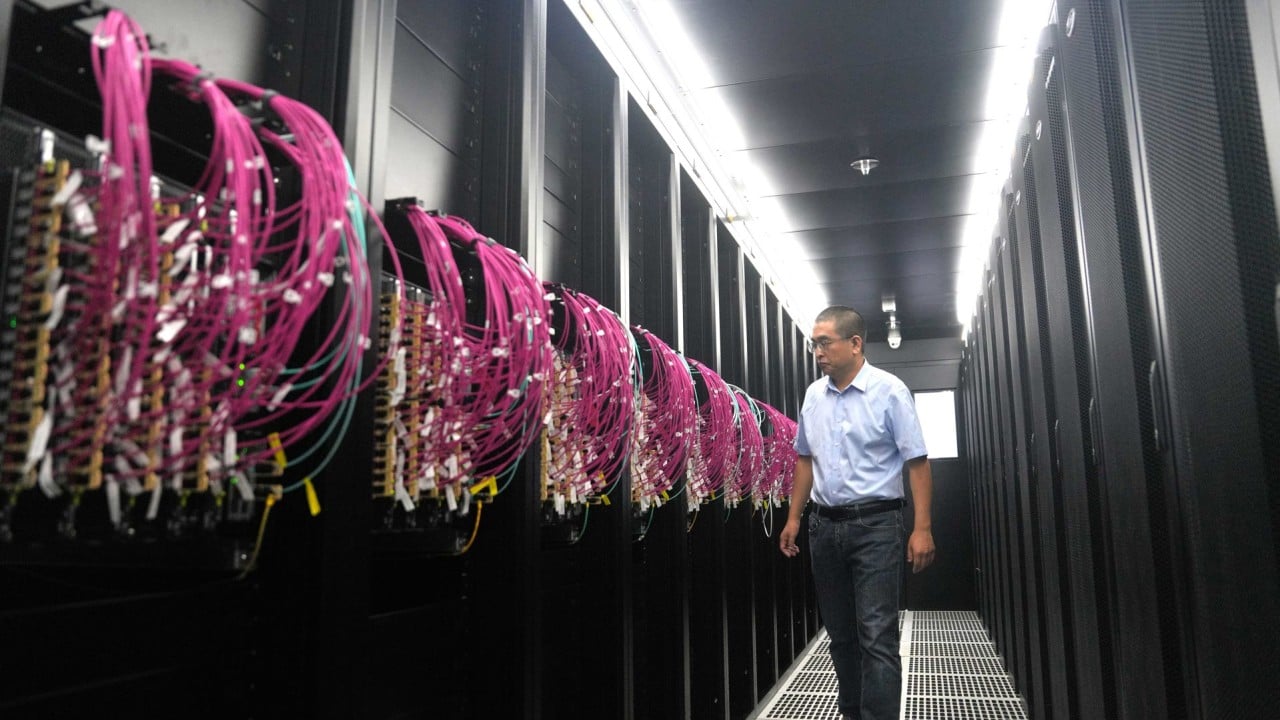
Most people picture a supermarket fridge as a heavy metal box plugged into a wall socket. Thirty years ago, that was accurate. Today, a modern grocery store's cold chain is an interconnected web of smart sensors, automated defrost timers, remote diagnostic portals, and cloud-based energy dashboards.
Supermarket chains installed these systems for good reasons. Remote monitoring alerts maintenance engineers before a compressor fails, saving energy and preventing spoilage. The problem? Almost none of this operational technology (OT) was built with adversarial security in mind.
In my experience reviewing retail network architectures, the vulnerabilities usually boil down to three painfully common mistakes.
First, third-party vendor access is wide open. A national supermarket chain doesn't fix its own commercial chillers. They hire regional HVAC and refrigeration contractors. To make repairs faster, contractors demand remote Virtual Private Network (VPN) access or remote desktop portals straight into the store's building management controller. Attackers don't even have to breach the supermarket's main corporate firewall. They just phish a poorly defended local refrigeration contractor, steal their VPN credentials, and walk right through the side door.
Second, network segmentation is often non-existent or poorly enforced. In an ideal setup, the network controlling the deli counter freezers sits completely isolated from the corporate Wi-Fi and point-of-sale terminals. Reality looks messier. Flat networks let an attacker who lands on a back-office PC pivot straight into the industrial control panels running the store's cooling loops.
Third, default passwords refuse to die. Industrial controllers made by major refrigeration vendors ship with standard factory credentials so technicians can commission them quickly. Many stay unchanged for a decade. Worse, researchers using search engines like Shodan—which indexes internet-connected devices—routinely find supermarket BMS interfaces exposed directly to the public internet without a VPN at all.
Why Refrigeration Makes The Ultimate Extortion Weapon
Ransomware operators are business people, albeit criminal ones. They look for maximum pressure with minimum effort.
If a hacker encrypts a retailer's marketing database, the company can haggle over the ransom for weeks while lawyers and negotiators stall for time. Nobody dies, and the store stays open.
Refrigeration changes the math completely. Food safety regulations are unforgiving. Under UK Food Standards Agency rules and equivalent US FDA guidelines, chilled food held above 8°C (or 41°F in the US) for more than a few hours enters the bacterial danger zone. Once a chilled aisle loses cooling and internal product temperatures climb past legal thresholds, store managers cannot legally sell that stock—even if the power or software comes back online ten minutes later.
Think about the physical reality inside a single large supermarket when the cooling dies:
- Fresh poultry, beef, and seafood become hazardous waste almost immediately.
- Entire walls of dairy, ready meals, and bagged salads must be written off.
- Frozen aisles take slightly longer to thaw, buying staff a narrow window to pack items into insulated containers or refrigerated lorries, assuming any are available on short notice.
- Store staff spend hours manually scanning damaged goods out of inventory and physically dumping tons of food into compactors while angry shoppers walk past empty shelves.
For a regional grocery chain running on notoriously razor-thin profit margins—often between 1% and 3%—losing £50,000 to £150,000 of perishable stock in a single afternoon across multiple branches is catastrophic. That doesn't even count the lost foot traffic, reputational damage, and emergency engineer call-out fees. Attackers know this. They know a chief executive watching fresh food rot in real time is far more likely to pay an extortion demand before nightfall than one dealing with a locked spreadsheet.
Real World Precedents Show This Isn't Hypothetical
If you think hackers wouldn't bother messing with grocery store temperatures, look at how industrial and retail cyber incidents have played out over the last few years.
The blueprint for supply-chain HVAC breaches dates back to the infamous 2013 Target breach, where attackers initially gained a foothold using credentials stolen from Fazio Mechanical, a refrigeration and HVAC contractor. While that attack ultimately targeted payment cards, it proved how easily third-party cooling vendors serve as an entry point into massive retail networks.
More recently, physical disruption of food supply chains moved front and center. When ransomware hit JBS Foods—the world's largest meat processor—operations halted across North America and Australia, disrupting cold storage logistics and costing the company an $11 million ransom payment. In Europe, Dutch logistics giant Bakker Logistiek suffered a ransomware attack that knocked out its warehouse management systems, leaving supermarkets across the Netherlands without cheese and other chilled staples because the company couldn't track or dispatch temperature-sensitive inventory.
Even standalone building automation systems have been caught in the crossfire. Security firms like Mandiant and Dragos have repeatedly documented ransomware variants—including LockBit and BlackCat—scanning corporate networks specifically for OT and BMS management software. Sometimes the attackers deliberately shut down chillers to force a payout. Other times, the damage happens accidentally when automated ransomware encrypts the Windows server hosting the refrigeration control software, freezing the user interface so technicians can't adjust setpoints or clear fault alarms.
What Retailers Get Wrong About IoT Fridge Security
Honestly, the biggest blind spot in retail cybersecurity right now is treating smart fridges like harmless appliances instead of critical infrastructure.
When a supermarket chain rolls out 5,000 new energy-efficient display cases across 300 stores, the procurement team looks at kilowatt-hour savings, compressor warranties, and shelf lighting. Cybersecurity rarely gets a seat at the table until something breaks.
Another massive misconception is believing that "cloud-connected" means "secure." Many modern refrigeration controllers send telemetry back to a vendor's cloud portal so store managers can check temperatures on an iPad. Retailers assume the vendor handles all the security. Yet those local gateway boxes sitting in the store's electrical room often run outdated versions of Linux or Windows Embedded that haven't received a security patch since the day they were bolted to the wall. If an attacker compromises the local store network, that unpatched gateway becomes an easy target.
There's also a dangerous over-reliance on automated controls without manual overrides. In older supermarkets, if a digital thermostat glitched, an engineer could walk up to a physical switch panel and force the compressors to run continuously until parts arrived. Newer all-digital stores sometimes lack simple physical bypass switches. When the software locks up, the hardware sits idle, and staff are reduced to taping cardboard over open chiller cabinets in a desperate bid to trap whatever cold air remains.
How Supermarkets Can Lock Down Their Cold Chain Without Halting Operations
Fixing this doesn't require ripping out millions of pounds worth of refrigeration equipment. It requires basic, disciplined engineering hygiene that separates store operations from external threats.
- Air-gap or strictly segment OT networks. Your chiller controllers have zero business talking to the same network subnet as your store managers' email laptops or guest Wi-Fi. Place all building management systems, HVAC units, and refrigeration gateways onto dedicated Virtual Local Area Networks (VLANs) governed by strict firewall rules that block outbound internet access except to specific, approved vendor IP addresses.
- Kill shared vendor VPNs. Stop giving refrigeration contractors standing, 24/7 remote access to your stores. Require multi-factor authentication (MFA) on every single remote connection and switch to privileged access management tools that grant temporary, time-bound sessions only when an engineer actually logs a maintenance ticket.
- Install physical manual overrides. Every commercial refrigeration rack should have a hardware-level manual bypass switch inside the plant room. If a cyber incident locks up the digital building controller, an on-site technician needs the ability to flip a physical toggle and keep compressors running at a safe baseline temperature while IT cleans up the network.
- Audit public-facing exposure continuously. Run external vulnerability scans against your own IP ranges—or check platforms like Shodan—to verify that zero Modbus, BACnet, or Niagara Tridium building automation ports are visible from the open internet.
- Practice manual cold-chain drills. Store managers run fire drills, yet almost none run cyber-outage drills. Every branch needs a laminated, offline playbook detailing exactly how long each chiller aisle holds safe temperatures, where to source emergency refrigerated trailers locally, and how to log food waste on paper if inventory scanners go down.
If you manage retail facilities or oversee store IT, pull up your network diagram today and trace the path from your HVAC vendor's login straight to your frozen food aisle. If there isn't a hardened firewall and a multi-factor authentication prompt standing in the way, your store's inventory is sitting one phished email away from a skip bin.