Everyone lost their minds over the first six months of the Iran conflict. The headlines wrote themselves. Analysts screamed about supply shocks, tankers trapped in choke points, and a guaranteed spike toward triple-digit crude. Markets panicked. Retail traders chased the fear.
They were dead wrong. If you found value in this article, you might want to look at: this related article.
I sat on trading desks while millions burned chasing phantom shortages. I watched institutional portfolios reallocate on pure panic. The consensus narrative was lazy, reactive, and fundamentally illiterate when it came to how modern global commodities actually function. Six months of kinetic friction in the Persian Gulf did not break the global energy machine. It exposed how fragile the panic peddlers really are.
The Choke Point Fallacy
The lazy thesis goes like this: Iran threatens the Strait of Hormuz, roughly twenty percent of global petroleum passes through there, therefore oil prices must skyrocket to historic highs. For another look on this event, check out the latest update from Financial Times.
It sounds logical if you stopped studying economics in high school. It completely collapses the moment you understand inventory elasticity and rerouting vectors.
When regional tensions flared, the immediate reaction was to price in a permanent loss of barrels. That ignored a basic reality of modern extraction and storage. Floating storage capacity exists for a reason. Commercial inventories in OECD nations were not sitting at zero. More importantly, OPEC spare capacity—specifically sitting inside the borders of producers who have zero desire to see prices destroy long-term demand—acted as a massive shock absorber.
Whenever a supply line twitches, markets assume an absolute break. They forget that state actors and major trading houses are masters of logistical gymnastics. Pipelines bypass the Strait. Saudi Arabia diverted flows to the Red Sea via the East-West pipeline. Abu Dhabi leaned heavily on the Habshan-Fujairah pipeline, bypassing Hormuz entirely.
The market traded the shadow of a catastrophe while ignoring the physical reality of redundant infrastructure.
Stocks and the Margin Myth
Look at how equities reacted. Defense contractors caught a brief bid, airlines cratered on jet fuel fears, and broader indexes whipsawed every time a rumor crossed the wire.
Retail investors bought the dip on defense and dumped anything touching energy consumption. That is backwards.
When a geopolitical shock hits, the first-order effect is emotional. The second-order effect is corporate adaptation. Companies with pricing power did not absorb higher input costs; they passed them down to consumers within forty-eight hours. Meanwhile, domestic shale producers in the United States didn't panic. They quietly hedged their production forward at elevated curves, locked in massive cash flows, and laughed all the way to the balance sheet.
I have watched corporate executives blow millions hedging against geopolitical risks that never materialized while missing the actual structural shifts happening beneath their feet. If your equity strategy relies on predicting whether a regional skirmish escalates into a global conflagration, you are not investing. You are playing roulette at a table where the house changes the rules every morning.
The Real Winner in Tehran Quietly Laughed
Nobody wants to talk about who actually benefited from six months of heightened friction. It wasn't the hardliners in Tehran, whose oil exports faced tightening shadow-fleet enforcement. It wasn't the Western consumers paying an extra ten cents at the pump because of speculative froth.
The real beneficiaries were low-cost producers who kept their pumps running while the market priced in imaginary doomsdays. Every time futures spiked on a scary headline, non-OPEC producers dumped unhedged barrels into the spot market to capture short-term windfalls. They broke the cartel's pricing power from the inside out simply by being greedy enough to supply the world while traders panicked.
This brings us to the core flaw in how people analyze energy shocks today. They treat oil like a local commodity governed by local news. It is not. It is the most liquid, ruthlessly arbitraged macro asset on earth.
How to Stop Losing Money on Geopolitical Noise
If you want to survive the next six months of whatever manufactured crisis the media pushes, throw away your conventional playbook. Stop trading the news cycle.
First, ignore inventory headlines that do not account for floating storage and commercial secrecy. The data you see on public terminals is often lagging by weeks. By the time a deficit is reported, the market has already overcorrected.
Second, respect the power of substitution and routing optionality. The world has spent decades building redundancy precisely because the Persian Gulf has never been a stable neighborhood. Pipelines get built. Fleets get reflagged. Shadow tankers find new ports. Capital adapts faster than politicians can threaten.
Third, look at corporate balance sheets, not geopolitical rhetoric. A company with low debt, strong free cash flow, and zero reliance on short-term credit lines does not care if crude moves ten dollars in a single session. They survive the noise.
The six-month mark of the Iran standoff proved one undeniable truth. The loudest voices in the room are almost always selling fear to people who do not understand logistics.
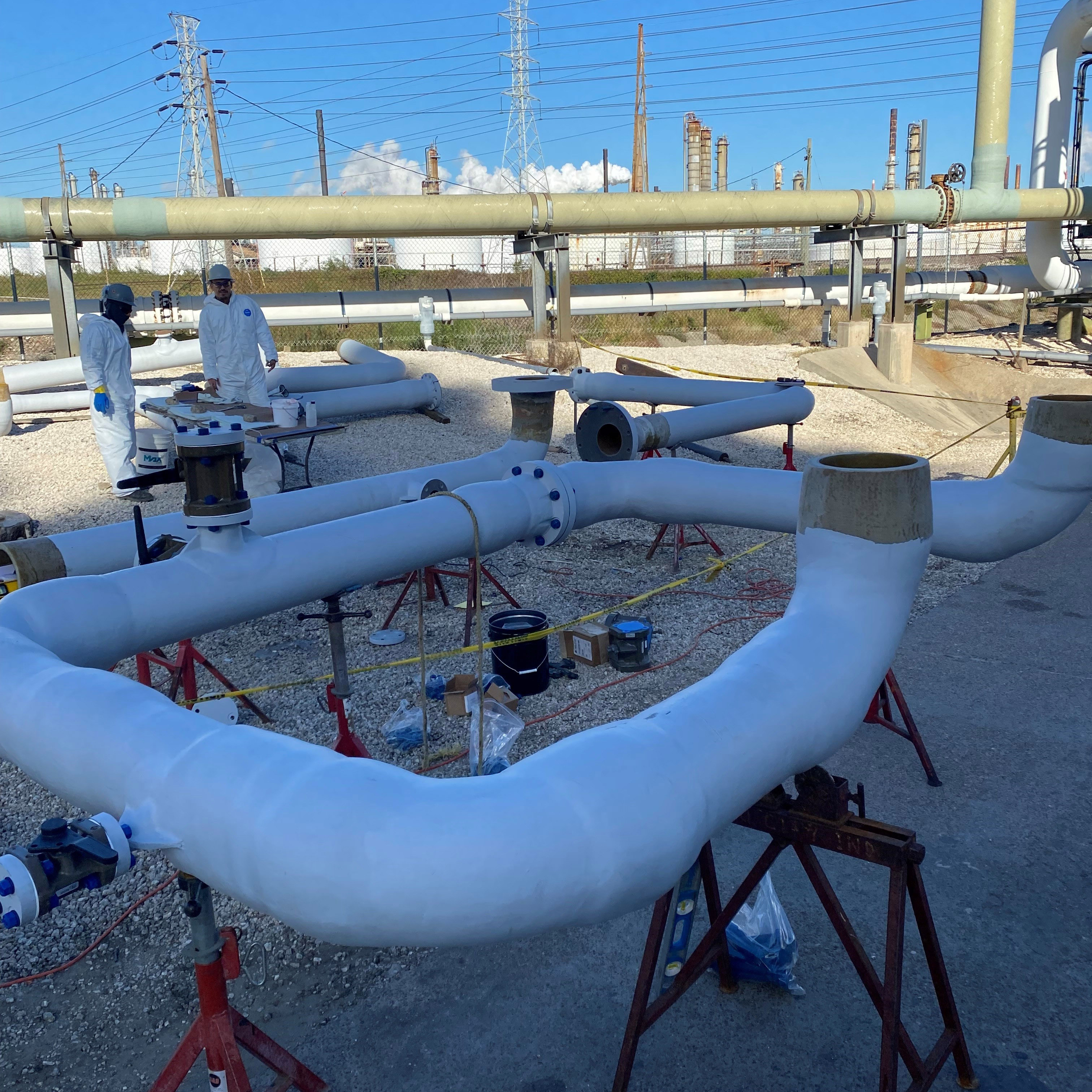
Stop buying the panic. Start looking at the pipes.