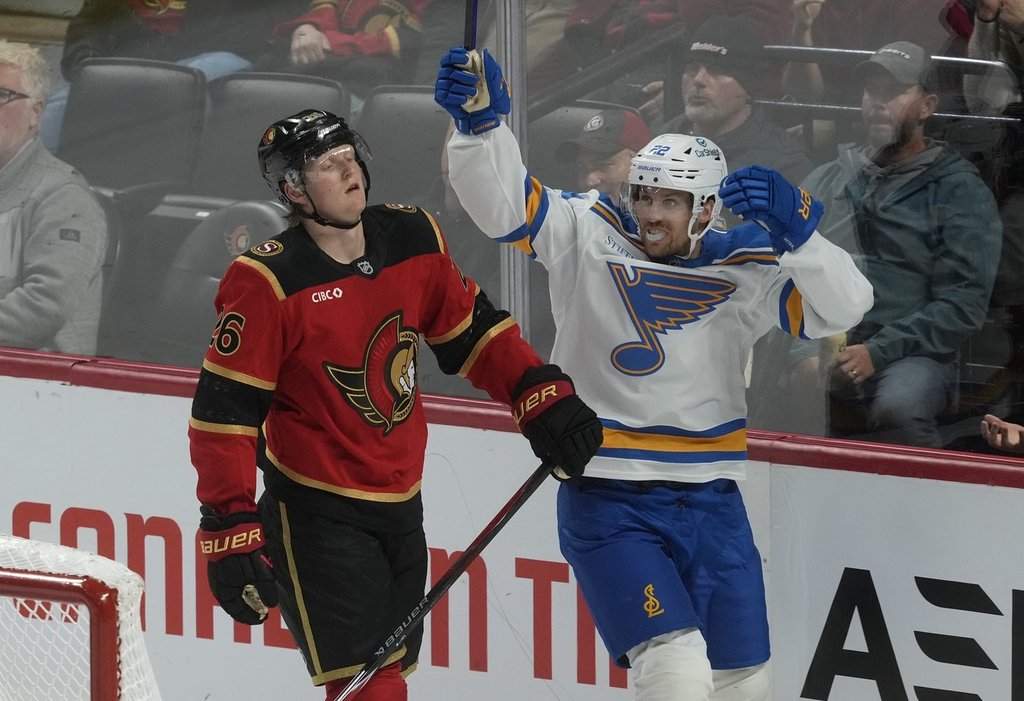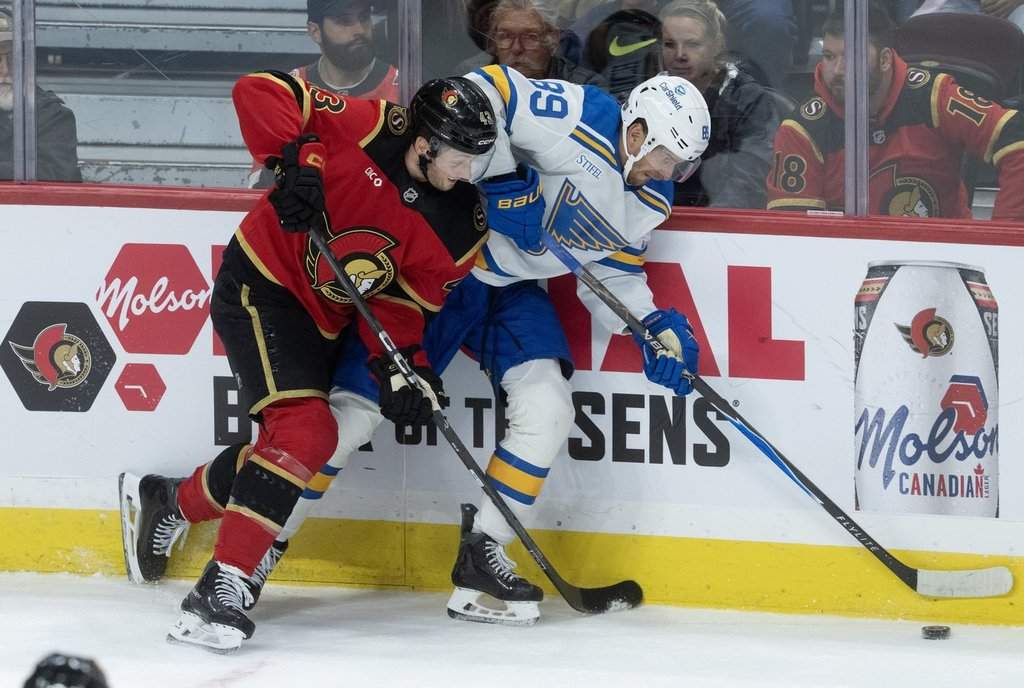
Silence. Then a roar that rattles the teeth in your jaw.
That is what hockey sounds like from ten rows up when the puck drops in a division rivalry that refuses to stay polite. You can smell the sharp, metallic tang of freshly shaved ice before the opening faceoff even clears the circle. You can feel the cold air rising off the boards, carrying the faint, sweet sting of rubber and sweat from twenty thousand lungs exhaling at once.
For years, I watched games like a ledger clerk. I tracked shots on goal, zone exits, expected goals, and final scores. A 5-2 victory by the Winnipeg Jets over the Minnesota Wild looked neat on paper. Five goals for Winnipeg. Two for Minnesota. A top line doing what top lines are paid to do.
I was wrong to read it like a receipt.
Numbers tell you what landed. They rarely show you the split-second weight of a pass tape-to-tape while a defenseman leans his full two hundred pounds into your hip at thirty miles an hour. They do not capture the quiet exhaustion of a forty-five-second shift where your lungs taste like copper and your legs feel like wet sand, yet your mind has to stay sharper than a skate blade.
When a top line carries a team to a 5-2 win over a rival like the Wild, something deeper is happening beneath the scoreline. It is not just talent. Talent is everywhere in the National Hockey League. Every skater on that ice can snap a wrist shot into a coffee mug from forty feet out or turn on a dime without catching an edge. What separates a good shift from a game-breaking night is trust compressed into fractions of a second.
Let me be clear about one thing right away: I am not standing on the Winnipeg bench with a clipboard, and I am speaking here as a hockey observer and writer who has spent years studying how high-pressure teams hold together or fracture under stress. When I use a hypothetical scenario or a metaphor to trace what happens on the ice, I will tell you plainly. Hockey already has plenty of drama without making up fake box scores.
Why Box Scores Flatten the Ice
Read a standard game recap and you get a tidy sequence of events. Goal one in the first. Answer from the Wild. Second-period push. Top line strikes again. Empty-net or late insurance marker to seal a 5-2 finish.
Tidy. Forgettable.
If you have ever laced up skates on a freezing Tuesday night after a ten-hour workday—even in a beer league where nobody gets paid and nobody has a scout in the stands—you know that nothing on ice is tidy. Every stride is a negotiation with gravity and friction. A quarter-inch of blade angle decides whether you carve around a defender or sprawl face-first into the end boards.
Now multiply that physics by speed, size, and consequence. When the Jets face the Wild, every inch of neutral ice is contested territory. Minnesota plays a structured, heavy, suffocating brand of hockey designed to choke off time and space. Against a team like that, a top line cannot rely on streetball. If one forward drifts five feet too high looking for a cherry-pick, the lane closes. If the center holds the puck half a second too long waiting for perfection, the stick check arrives and the rush dies on the blue line.
Why does a top line so often become the engine in a 5-2 win? Because high-end chemistry short-circuits hesitation.
Consider a hypothetical scenario—purely to illustrate the mechanics of a top unit in motion, not a play-by-play of a specific broadcast. Suppose the top line enters the offensive zone on a three-on-two. The left wing drives wide, forcing the near defenseman to turn his hips and back toward his own crease. The center trails the play into the high slot, reading the weak-side defender's eyes. The right wing cuts toward the net, dragging the coverage a step deeper. None of them has to shout. They know where the soft ice will be two beats from now because they have watched each other's habits for dozens of games.
The puck moves once. Twice. A quick touch pass opens a seam before the Wild's penalty-killing mindset—or defensive-zone box—can reset. Red light. Horn blares. Crowd erupts.
That looks effortless on a highlight reel. It is not effortless. It is thousands of hours of repetition turning into instinct so fast that thought never gets in the way of action.
The Invisible Weight of Expectation
Still, there is a catch to being the top line. Everyone knows who you are.
The opposing coach circles your numbers on the whiteboard before the morning skate. Their best shutdown defense pair is matched against your shifts whenever the home crowd or last-change rules allow. Your mistakes are magnified because you are paid and trusted to tilt the ice, not merely survive it.
Think of a top line like a high-wire act working without a net while the audience counts every wobble. When they score twice or set up three goals in a 5-2 victory, people say they dominated. When they go quiet for a night, people ask if they look tired or disconnected.
That pressure changes how a player breathes between whistles.
Let me introduce a hypothetical player—let's call him David, a veteran center who has spent a decade grinding through eighty-two-game seasons—to show what that mental load feels like. David is not a real person from the Jets roster; he is a composite sketch built from decades of interviews and observations of hockey lifers.
In our hypothetical example, it is late in the second period of a tight game against the Wild. The score is tied or tilted by a single goal. David steps off the ice onto the bench, chest heaving, water bottle squeezed between gloved fingers. His linemates drop beside him. Nobody is celebrating yet. Nobody is sulking either. They are looking at the ice, tracking how the Wild's defenders are pinching at the blue line.
"They're jumping early on the wall," David says through heavy breaths.
"Chip it soft behind him and go," his winger answers.
Three seconds of conversation. No speech. No drama. Just two people calibrating reality before the horn calls them back over the boards.
That is the human core that cold recaps miss. A 5-2 final score makes a game look settled, almost inevitable in hindsight. During the second period, nothing feels inevitable. Every shift carries risk. A bad turnover in your own end against a relentless opponent can turn a comfortable cushion into a white-knuckle scramble in forty seconds.
What Makes a 5-2 Win Stick
Not every five-goal night feels the same. Sometimes a team wins 5-2 because the other goalie has an off night or four lucky bounces find open twine. Other times, a 5-2 scoreline is the outward proof of an internal standard that held firm when the game got greasy.
Against a division rival like the Wild, emotion runs hot early. Hits finish a fraction later. Sticks linger a fraction longer near the crease. If a team loses its temper, it takes penalties, chases hits out of position, and hands momentum right back to the opposition.
A top line that carries a 5-2 win does something steadier than just fill the net. It sets a tempo the rest of the lineup can lean on.
When your top trio wins battles along the boards, cycles cleanly, and forces the Wild to defend deep in their own zone, the bottom six gets cleaner shifts. The defensemen get smarter outlets instead of panic clears off the glass. Even the goaltender breathes easier because the shots coming his way are screened less often and come after tired legs rather than fresh rushes.
Hockey is a team sport disguised as a series of one-on-one duels. You cannot win five to two by accident in a tight division matchup unless the foundational pieces are pulling in the same direction.
And yet, I have to admit something that sometimes makes die-hard analysts wince: even after watching hundreds of games, I still cannot fully predict when a night will tilt. One deflected shot off a skate blade can change a game's mood in an instant. A single whistle or missed assignment can swing momentum like a pendulum. That uncertainty is maddening if you want neat answers. It is also the exact reason we keep showing up.
Reading the Game Beyond the Score
If you only care about the final result, a 5-2 Jets win over the Wild gives you what you came for. You get the satisfaction of seeing your side come out on top, five goals to two, a clean margin on the board.
Look closer, though, and the real story is how that margin was earned.
Watch the small things next time a top line takes over a game. Watch the second effort after a shot is blocked. Watch the way a winger tracks back hard through the middle of the ice so the defenseman does not get caught flat-footed. Watch the quiet nod between linemates after a shift that did not produce a point on the scoresheet, yet drained thirty seconds of life out of the opponent's top defenders.
Those moments do not always make the morning headlines. They are the mortar between the bricks. Without them, even the sharpest offense eventually crumbles under heavy forechecking and playoff-style intensity.
When three skaters move with that kind of shared purpose, the rink feels smaller for the other team and wider for themselves. The puck stops feeling like a hot potato and starts feeling like a compass.
Five to two looks final on a scoreboard. On the ice, every shift is a test of nerve, conditioning, and trust—and when the top line answers all three, the whole building feels the difference.
Skate marks cut deep into fresh ice, catching the arena lights like silver thread long after the final horn fades into memory.