Two seemingly unrelated high-stakes arenas—the 2026 Texas U.S. Senate race between Ken Paxton and James Talarico and the National Basketball Association's second apron salary cap—governed by a single strategic reality: binding constraints punish teams and campaigns that treat infinite resources as a substitute for structural alignment. A standard morning roundup treats these developments as parallel trivia items stitched together by a news cycle. Treating them through an operational constraint lens reveals why massive spending alone failed to buy decisive control in Texas and why top-heavy payrolls trigger severe transactional paralysis across the NBA.
Because the underlying text of the competitor roundup is unavailable in full, this analysis reconstructs the core topics implied by its headline and evaluates the exact factual mechanics behind both stories. Verified public records and collective bargaining rules establish the baseline facts, while strategic assessments of campaign messaging dynamics and front-office roster trade-offs are explicitly framed as analytical hypotheses.
The Constraint Mechanics of Both Arenas
Daily briefings often flatten complex systems into disconnected highlights, missing how structural ceilings dictate behavior. Both electoral campaigns and salary-capped sports franchises operate inside environments where every resource choice carries secondary friction.
In electoral politics, money expands reach, yet coalition cohesion, voter persuasion, and turnout efficiency set the ceiling on returns. In the NBA, owners can sign star contracts above the soft cap, but crossing specific financial thresholds activates hard operational penalties under the Collective Bargaining Agreement.
- Electoral Resource Friction: Campaign cash buys advertising volume, field outreach, and donor infrastructure, but high spending does not automatically overcome voter cost pressures, candidate fatigue, or coalition splits.
- CBA Payroll Ceilings: For the 2026–27 season, the NBA salary cap sits at $164,961,000, the luxury tax line at $200,428,000, the first apron at $209,015,000, and the second apron at $221,686,000.
- Transactional Lock-In: Once a franchise crosses the second apron, standard roster adjustments shrink to narrow rules rather than open market flexibility.
- Timing Asymmetry: Electoral outcomes resolve on election day, whereas NBA payroll limits and hard caps govern daily front-office moves across the season and offseason.
Texas Senate Dynamics: Paxton vs. Talarico
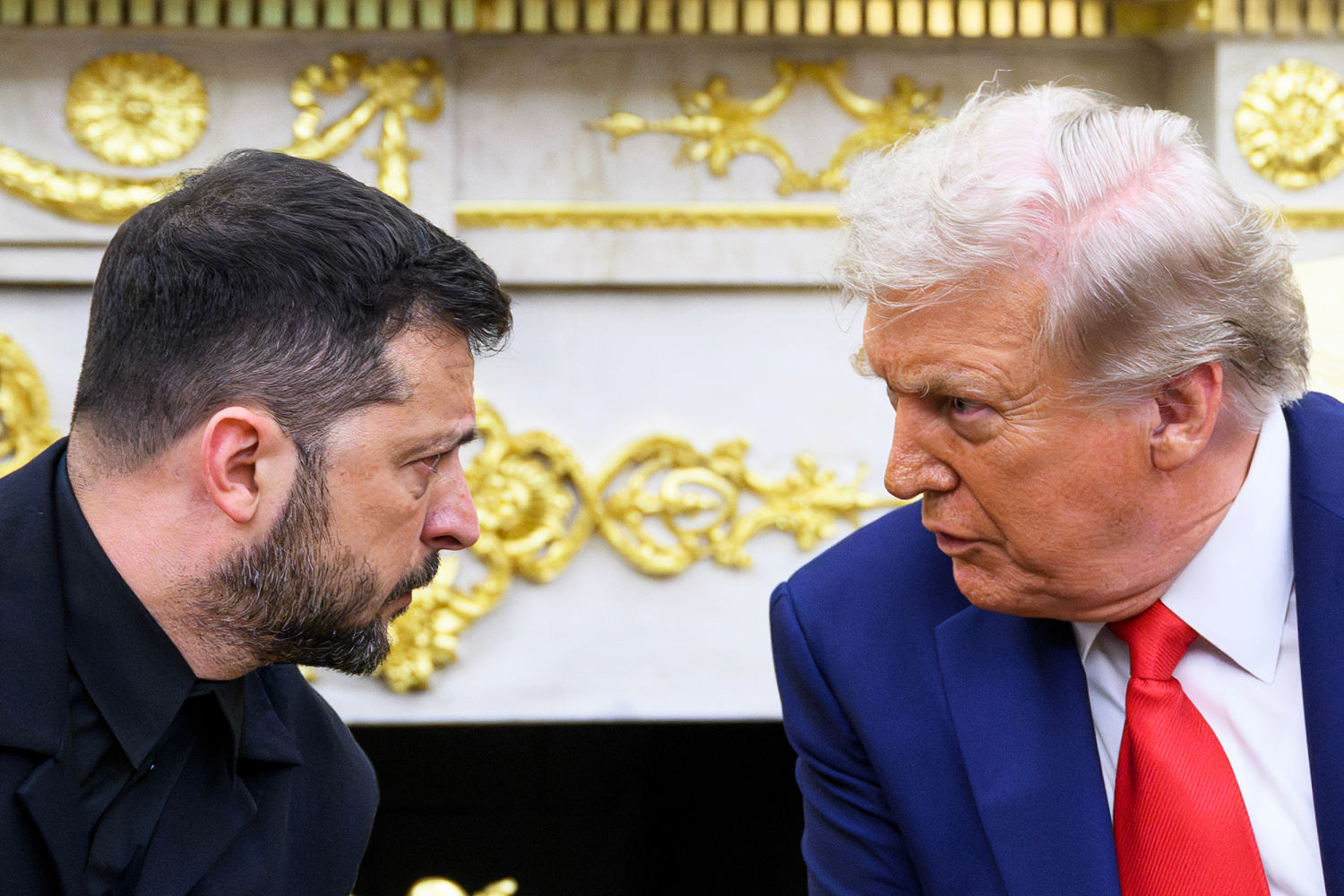
The 2026 Texas U.S. Senate contest pitted Republican Attorney General Ken Paxton against Democratic state Representative James Talarico. Paxton defeated incumbent John Cornyn in the Republican primary runoff before advancing to the general election against Talarico. Talarico won the November 3, 2026 general election, breaking a multi-decade Republican streak in Texas statewide and Senate races.
The historic scale of spending in the race highlights why raw financial firepower cannot be analyzed in isolation from voter environment and coalition mechanics. Reports on the contest noted record-setting overall Senate spending in Texas alongside heavy outside political action committee involvement. Fundraising and outside spending figures varied by reporting window and committee disclosures, with public trackers showing substantial Democratic fundraising alongside major late outside spending backing Paxton.
The Coalition and Cost Function
A structured campaign model separates message salience, voter pocketbook pressure, and turnout allocation. In 2026, everyday affordability concerns and national political headwinds shaped voter receptivity across battleground and lean races.
Analytically, a challenger campaign in a historically tough state faces a narrow conversion path unless three conditions align:
- Base Consolidation: Securing core coalition voters early rather than spending late cycle resources repairing primary divisions.
- Cross-Pressure Appeal: Connecting economic cost concerns to persuadable voters who might otherwise split tickets or stay home.
- Targeted Turnout Investment: Directing resources toward high-leverage demographic and geographic precincts rather than generic statewide airwaves.
This framework points to a clear hypothesis about why Paxton's late outside-money surge fell short: outside spending arrived into a contested environment where primary friction, candidate vulnerability themes, and broader voter dissatisfaction with living costs had already hardened electorate patterns. That remains an analytical hypothesis rather than a proven single cause, because multi-candidate statewide elections reflect dozens of overlapping local and national variables.
Limitations of Campaign Post-Mortems
Retrospective analysis of a single high-profile race often over-attributes outcomes to one tactical choice. Polling averages, turnout shifts, and down-ballot coattails interact continuously. A rigorous analyst treats single-cycle election results as evidence of shifting structural pressure, not a universal law that money never matters in Texas.
The NBA Second Apron Dilemma
While Texas politics tests coalition endurance under heavy spending, NBA front offices confront a codified financial trap built into the league's salary cap architecture. Under the Collective Bargaining Agreement, the second apron is not merely a higher tax bracket; it is a strict operational barrier designed to curb sustained super-team spending.
For the 2026–27 season, crossing the $221,686,000 second apron strips away core roster-building tools. A franchise operating above that threshold loses access to the taxpayer mid-level exception, cannot aggregate multiple player salaries into a single trade, and cannot include cash in trades.
Second Apron Trade and Draft Penalties
Traditional contenders used salary aggregation to bundle medium-sized contracts into star or rotation upgrades at the trade deadline. The second apron blocks salary aggregation outright, forcing deals to match dollar-for-dollar or stay within strict single-player parameters.
Draft capital faces parallel friction. Teams above the second apron can have a future first-round draft pick—seven years out—frozen from trade eligibility. Remaining above the second apron across multiple seasons within a four-year window can push that frozen pick to the bottom of the first round.
The Front-Office Decision Loop
Front-office executives must model multi-year cap sheets before signing extensions or taking on multi-year salary guarantees. Every guaranteed dollar today reduces optionality when injuries strike or role players underperform.
- Audit Multi-Year Guarantees: Map guaranteed salaries against projected cap and apron lines two to three seasons ahead.
- Preserve Tradeable Salary Slots: Avoid filling the roster exclusively with rigid contracts that cannot be moved cleanly without aggregation.
- Protect Draft Optionality: Weigh short-term roster upgrades against freezing future first-round picks under multi-year apron rules.
- Use Exceptions Before Locking: Understand how using specific exceptions or taking back salary can trigger hard caps for the remainder of the league year.
An educated hypothesis for the current NBA landscape is that mid-tier and upper-middle-class role players face tighter contract compression over time because contending teams cannot easily bundle smaller salaries to chase marginal upgrades. Whether that compression persists depends on future media revenue growth, cap projections, and how owners weigh championship odds against tax and draft penalties.
Cross-Domain Synthesis: Cost vs. Optionality
Comparing a statewide Senate election with an NBA cap dilemma exposes a shared trap: optionality erosion. When an organization commits maximum resources early or locks in rigid commitments, it loses room to maneuver when conditions shift.
In Texas, a campaign burning capital to heal internal fractures or counter entrenched voter headwinds has less flexibility to adapt late. In the NBA, a roster packed with high-cost veterans has fewer legal mechanisms to patch depth when a starter gets hurt or a rotation piece regresses.
- What the Analogy Captures: Both systems penalize ignoring hard external limits—whether voter ceilings in an election or strict CBA rules in basketball.
- Where the Analogy Breaks: An NBA team operates under explicit league rules that enforce mathematical parity friction, whereas an election is governed by voters, turnout, and political coalitions rather than a league ledger.
- Operational Takeaway: Capital without structural room to maneuver creates fragility in both politics and sports management.
Strategic Play for Decision-Makers
Leaders running campaigns or managing salary-capped rosters should structure decisions around reversible optionality rather than maximum upfront commitment. Before approving a major expenditure or long-term contract, test whether the move preserves or destroys future flexibility if assumptions fail.
In roster construction, front offices should map second-apron thresholds across every active contract year, avoid unnecessary salary aggregation bottlenecks, and treat draft-pick freeze rules as hard strategic guardrails rather than minor footnotes. In political strategy, campaigns should treat fundraising and outside spending as amplifiers of an already coherent coalition and economic message—never as a substitute for resolving base divisions or addressing voter cost pressures early.