Breast augmentation is basically the most common cosmetic procedure on the planet. Millions of women have gone under the knife to change their silhouette, and most of them walk out of the clinic feeling like a brand-new version of themselves. But if you’re scrolling through forums or late-night medical blogs, the question eventually hits you. It's the one nobody wants to ask during the consultation. Has anyone ever died from breast augmentation surgery? Yes. Honestly, they have.
It’s rare. It’s statistically unlikely. But pretending it doesn't happen is a disservice to anyone considering the procedure. When we talk about elective surgery, we tend to focus on the "after" photos and the recovery timelines. We rarely talk about the reality that any time you combine general anesthesia, sharp instruments, and a human body, there is a non-zero risk of a fatal outcome.
The Statistics You Actually Need to Know
Let’s look at the numbers. They’re actually pretty reassuring, but they aren't zero. According to data from the Aesthetic Society and the American Society of Plastic Surgeons (ASPS), the mortality rate for outpatient plastic surgery is roughly 1 in 50,000 to 1 in 100,000 procedures.
To put that in perspective, you’re statistically more likely to die in a car accident on the way to the surgical center than you are on the operating table. But "low risk" isn't "no risk." When deaths do occur, they usually aren't because the surgeon slipped with a scalpel. It’s usually a systemic failure or a hidden complication that catches everyone off guard.
What Actually Causes Fatality in Breast Augmentation?
If you're wondering how a relatively straightforward procedure can turn deadly, you have to look at the three main culprits: anesthesia, blood clots, and—more rarely—severe infection.
The Anesthesia Factor
Most breast augmentations are done under general anesthesia. This is where most of the "horror stories" originate. Some people have undiagnosed heart conditions or rare genetic reactions to the gas used to keep them under. One specific condition is Malignant Hyperthermia. It’s a severe reaction to certain drugs used during anesthesia that causes a rapid rise in body temperature and intense muscle contractions. If the surgical center isn't equipped with the right rescue drugs (like Dantrolene), it can be fatal. This is why checking if your surgery is happening in an accredited facility is literally a matter of life and death.
Pulmonary Embolism (PE)
This is probably the biggest "silent killer" in the world of plastic surgery. You're lying still on a table for two hours. Your blood slows down. A clot forms in your leg (Deep Vein Thrombosis). Then, you get up, you go home, and that clot breaks loose. It travels to your lungs.
Suddenly, you can't breathe.
In 2017, a high-profile case involved a young woman in Florida who died shortly after a cosmetic procedure due to a pulmonary embolism. These stories make headlines because they feel so preventable. Surgeons use compression boots and encourage walking immediately after surgery to stop this from happening, but if a patient has a clotting disorder they didn't know about, the risk spikes.
The BIA-ALCL Complication
We can't talk about deaths related to breast implants without mentioning Breast Implant-Associated Anaplastic Large Cell Lymphoma. It isn't a breast cancer; it's a cancer of the immune system.
It was a huge scandal a few years back. Specifically, textured implants—especially those made by Allergan (the Biocell line)—were linked to this rare lymphoma. While most cases are treatable by removing the implant and the scar tissue, some women have died because the cancer spread before it was caught. According to the FDA, as of early 2023, there were over 1,100 cases reported globally with 59 deaths. It’s a slow-moving risk, but it’s a fatal one nonetheless.
Real Stories and Legal Red Flags
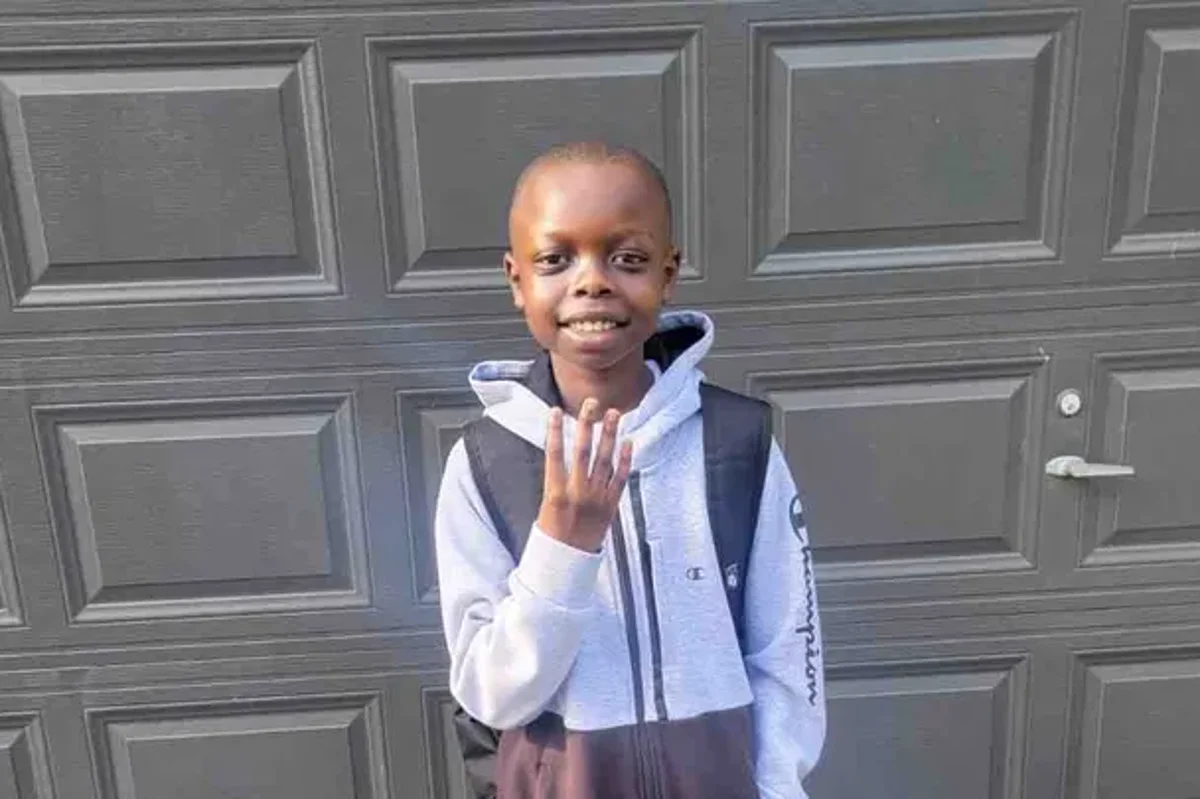
You might have heard about the case of Emmeline Nguyen. She was an 18-year-old in Colorado who went in for a standard breast augmentation in 2019. She went into cardiac arrest after being anesthetized, and allegedly, the medical staff waited hours before calling 911. She spent 14 months in a minimally conscious state before passing away.
This case changed the way a lot of people look at "med-spas" versus hospital-grade surgical centers. The issue wasn't the breast implants themselves. It was the standard of care when things went sideways.
Why the "Where" Matters More Than the "What"
A lot of people hunt for deals. They see a "Boob Job Special" for $3,000 in a strip mall or they fly to a different country for "medical tourism." This is where the mortality rates start to climb.
In places like the Dominican Republic or parts of Mexico, some clinics don't have the same rigorous oversight as the US or the UK. You might be getting a great price, but are they checking your oxygen levels with the same precision? Do they have a crash cart in the room? If someone has died from breast augmentation surgery in these settings, it’s often because the facility lacked the infrastructure to handle a routine emergency.
Hidden Risks: Sepsis and Lidocaine Toxicity
It’s not just the big stuff like heart attacks.
Sometimes, it’s a slow burn. Infection (Sepsis) can set in days after the surgery. If a patient ignores a fever or redness, thinking it’s just "part of healing," the bacteria can enter the bloodstream. Modern antibiotics make this rare, but "rare" doesn't help you if you're the one in the ICU.
Then there’s Lidocaine toxicity. Even in surgeries where the patient is awake or lightly sedated, surgeons use local anesthetics to numb the area. If too much gets into the bloodstream too fast, it can cause seizures or cardiac arrest. It’s a delicate balance of chemistry.
How to Actually Protect Yourself
If you're terrified now, take a breath. People get this surgery every single day and go pick up their kids from school a week later. But you shouldn't go in blind.
Board Certification is Non-Negotiable. Not just "board certified," but certified by the American Board of Plastic Surgery. Any doctor with a medical license can legally call themselves a "cosmetic surgeon," even if they were a GP last week. You want someone who has spent years specifically studying the anatomy of the chest and the complexities of reconstructive surgery.
The Anesthesia Provider. Ask who is doing your anesthesia. Is it a Board-Certified Anesthesiologist (MD) or a CRNA? Both can be great, but you want to know there’s a dedicated person whose only job is to watch your vitals while the surgeon is busy with the implants.
Facility Accreditation. Ensure the surgery is performed in a facility accredited by the AAAASF or Joint Commission. This means the office is held to the same safety standards as a major hospital.
Be Annoyingly Honest. If you smoke, tell them. If you take "herbal supplements" or occasional recreational drugs, tell them. If you have a family history of blood clots, scream it from the rooftops. Most surgical deaths are preventable if the team knows exactly what kind of body they are working with.
The Reality of Medical Tourism
We see "The Brazilian Butt Lift" getting all the heat for being dangerous—and it is—but breast augmentation is often bundled with other surgeries like tummy tucks or liposuction. This is called "mommy makeover" surgery.
The risk of death increases exponentially the longer you are under anesthesia. When you combine three surgeries into one six-hour marathon session to save money, you are putting a massive strain on your heart and lungs. Most deaths associated with breast augmentation actually occur when the procedure is combined with other, more invasive surgeries.
What Happens if Things Feel Wrong?
Post-op care is where lives are saved.
If you feel a sudden shortness of breath, chest pain, or a "charley horse" in your leg that won't go away after surgery, you don't call the plastic surgeon's office and leave a voicemail. You go to the ER. Understanding the signs of a pulmonary embolism is the single most important thing a patient can do for their own safety.
Final Insights for the Concerned Patient
So, has anyone ever died from breast augmentation surgery? Yes, they have. But usually, those deaths are linked to specific, identifiable failures in safety protocols or rare, undetected medical conditions.
It is one of the safest surgeries in the world when done correctly.
Actionable Steps Before You Book:
- Verify your surgeon’s standing with the state medical board to check for past malpractice suits related to patient safety.
- Ask for a "Pre-Op Clearance" from your primary care physician, including blood work and an EKG, even if the surgeon doesn't require it.
- Stop all blood-thinning medications, including aspirin and certain vitamins (like Vitamin E), at least two weeks before surgery.
- Arrange for a responsible adult to stay with you for the first 48 hours post-op to monitor your breathing and alertness.
Surgery is never a casual "beauty treatment." It is a medical event. Treat it with the respect it deserves, vet your team like your life depends on it—because it does—and the odds are overwhelmingly in your favor for a safe, successful outcome.