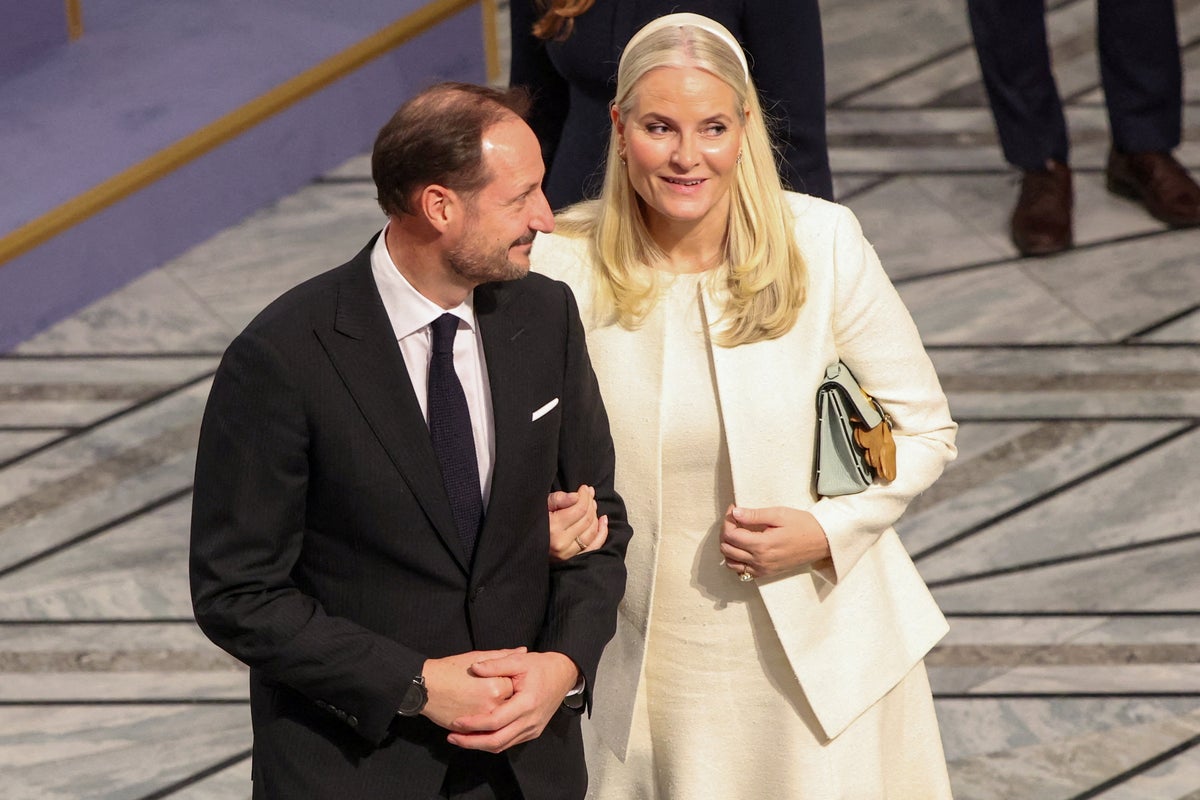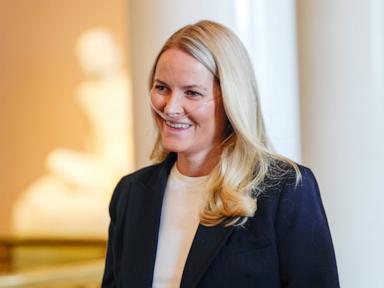
Norway's Crown Princess Mette-Marit just underwent a successful lung transplant at Rikshospitalet in Oslo. It is a massive, life-altering moment for the 52-year-old royal. For anyone tracking her journey since her 2018 diagnosis with chronic pulmonary fibrosis, this development brings a mix of profound relief and stark reality. This was not a elective or precautionary procedure. Just weeks ago, medical experts quietly noted that patients placed on this specific waiting list generally have less than a year to live without intervention.
The palace confirmed the surgery went smoothly, but the road ahead is notoriously grueling. The royal family essentially cleared their schedules. Crown Prince Haakon postponed their upcoming silver wedding anniversary celebrations. Their daughter, Princess Ingrid Alexandra, even cut short her studies in Australia to return home to Oslo.
This story is not just about royal scheduling conflicts or palace protocol. It shines a harsh, necessary spotlight on an aggressive, unforgiving disease and what it actually takes to survive a major organ transplant when the whole world is watching.
The Brutal Reality of Pulmonary Fibrosis
Pulmonary fibrosis basically turns healthy, elastic lung tissue into thick, stiff scar tissue. Think of your lungs like soft sponges that easily expand and contract. Now imagine those sponges turning into hard, fibrous wood. That is what Mette-Marit has been fighting for nearly eight years. Over time, your lungs lose the ability to transfer oxygen into your bloodstream. You suffocate from the inside out.
Honestly, the public rarely sees the day-to-day misery of this condition. Royals are masters at putting on a brave face, but the cracks were showing. During Norway's National Day celebrations in May 2026, onlookers noticed the Crown Princess needed supplemental oxygen, coughed frequently, and looked utterly exhausted. Prince Haakon later admitted to the press that she relied on daily oxygen therapy just to get through the day.
When a patient reaches the point of needing a transplant, it means the traditional therapies have failed. There are drugs designed to slow down the scarring process, but they do not reverse it. There is no cure. The only exit strategy is finding a donor.
What Happens Behind the Closed Doors of Rikshospitalet
Dr. Are Holm, head of the pulmonary department at Rikshospitalet, stated that Mette-Marit will remain hospitalized for several weeks. People often think a successful surgery means you are cured and ready to go home. It does not work that way with lungs.
The immediate post-operative phase is a high-stakes balancing act. Doctors must aggressively suppress the immune system so the body doesn't view the new tissue as a foreign invader and attack it. But if you suppress the immune system too much, a simple airborne bacteria can kill the patient. Lung transplants are uniquely dangerous because, unlike a hidden kidney or heart, the lungs are constantly exposed to the outside air and every germ you breathe in.
The first month involves constant testing. Doctors check lung capacity, monitor fluid levels, and adjust a massive cocktail of immunosuppressant drugs. It requires immense patience and serious physical effort from the patient. They have to start moving and breathing deeply almost immediately to keep the new lungs functional.
The Toxic Intersection of Personal Trauma and Physical Collapse
You cannot separate Mette-Marit's physical decline from the intense stress she endured over the last few months. Stress does bad things to chronic illness.
Just days before her transplant, her eldest son, Marius Borg Høiby, was sentenced to four years in prison following a highly publicized trial involving rape and domestic abuse convictions. Because he is her son from a previous relationship, he holds no royal title, but the scandal dragged the monarchy through the mud for weeks. Add to that a wave of fresh media scrutiny over her historical ties to the late Jeffrey Epstein, an association she publicly apologized for, and you have a recipe for total emotional exhaustion.
When your emotional world is cratering, your body reacts. Cortisol spikes. Inflammation flares. For someone with failing lungs, that kind of pressure can rapidly accelerate a physical breakdown. It is highly likely the intense stress of the past year pushed her pulmonary fibrosis into its final, critical stage.
The Real Timeline for Transplant Recovery
Surviving the surgery is win number one, but the real work starts now. If you or a loved one are looking at what a major organ transplant timeline actually looks like, it breaks down into very distinct phases.
The first three months are all about survival and stabilization. The patient lives in a hyper-sterile bubble. Visitors are restricted. Mask-wearing is non-negotiable. The medical team watches for early signs of organ rejection, which often looks like a sudden fever, shortness of breath, or a drop in blood oxygen levels.
Six to twelve months out, the focus shifts to aggressive rehabilitation. The patient has to rebuild muscles that wasted away during months of oxygen deprivation. It means physical therapy, strict dietary regimes, and learning to live with permanent side effects from anti-rejection meds, which can include kidney strain, high blood pressure, and tremors.
If you want to support someone going through a massive health crisis like this, the best thing you can do is understand the long game. Don't stop checking in after the first month. The initial wave of flowers and cards will dry up, but the patient will still be fighting for their health a year from now. Offer practical help like dropping off groceries or handling household chores, because the energy levels of a transplant recipient take a long time to normalize. Mette-Marit has a royal staff to handle her logistics, but ordinary families facing this exact medical reality need a heavy network of local support to survive the aftermath.