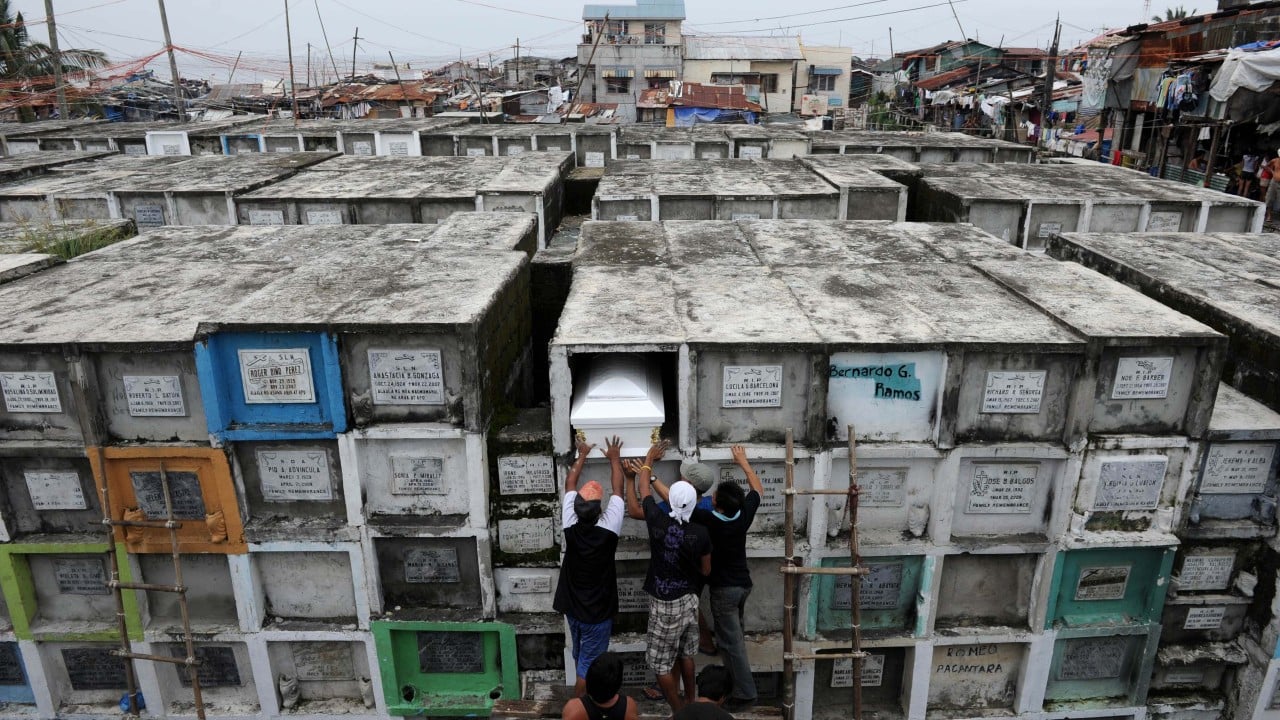
Every November, while millions of families in the Philippines gather in crowded cemeteries to share meals, light candles, and clean the graves of their dead, roughly ten million Overseas Filipino Workers (OFWs) confront a quiet, isolating reality. They dread Undas—the annual observance of All Saints' Day and All Souls' Day—because the holiday exposes the brutal emotional math of labor migration. Earning foreign currency to keep the living fed, housed, and educated requires sacrificing the physical presence needed to honor the dead, turning a communal celebration of remembrance into a solitary exercise in unresolved grief.
Most coverage of the diaspora treats Undas abroad as a sentimental story about homesickness. That framing misses the structural mechanics of the pain. For a nurse in London, a seafarer in the North Sea, or a domestic worker in Riyadh, November 1 and 2 do not function as public holidays. There is no pause in the shift schedule, no collective cultural slowing down, and no physical grave to tend. Instead, the calendar forces an acute reckoning with ambiguous loss—the psychological state of mourning people and places that remain out of reach while time marches forward without you. Meanwhile, you can explore related stories here: Why China's Arms Trade in Africa Is Rapidly Outpacing Russia and the West.
The Architecture of Guilt and Financial Obligation
To understand why Undas hits migrant workers harder than Christmas or Holy Week, you have to look at how Filipino family economics operate. Christmas is about abundance, gift-giving, and the tangible rewards of working abroad. When an OFW sends a balikbayan box or wires extra cash in December, the transaction feels affirmative. The sacrifice produces visible joy.
November is different. Undas demands presence, not presents. To see the full picture, check out the detailed report by Reuters.
In the Philippines, tending to a family plot is a physical act of ongoing care. Relatives scrape away weeds, repaint concrete niches, arrange fresh flowers, and spend hours sitting beside tombstones. These rituals reinforce kinship ties and assure the living that they, too, will not be forgotten when their time comes. When a migrant worker cannot show up, money becomes an inadequate substitute. Wiring funds to pay a local caretaker to scrub a headstone or buy chrysanthemums feels transactional, almost cold, compared to kneeling on the concrete yourself.
This dynamic creates a specific brand of survivor's guilt. Many migrants carry the unspoken burden of having left behind aging parents or grandparents in order to fund the household's upward mobility. When those elders pass away while the worker is under contract overseas, the worker often misses the wake and the burial due to visa restrictions, prohibitive airfare, or the fear of losing employment. Undas arrives every year as an audit of those missed goodbyes. The grief is not merely sad; it is complicated by the nagging question of whether the financial trade-off was worth the lost years.
Proxy Rituals and the Limits of Digital Mourning
Because physical travel in early November is financially and logistically impossible for most contract workers, the diaspora has built an informal system of proxy mourning. Days before November 1, group chats on Viber, WhatsApp, and Facebook Messenger fill with specific instructions and mobile wallet transfers. A migrant in Dubai sends money to a younger cousin in Cavite with a checklist: buy white candles, clear the moss off Lola’s niche, order food for the relatives who visit, and send photos.
Technology bridges the visual gap, yet it frequently deepens the emotional divide. Watching a livestream of your family laughing over packed lunches beside a grave in Manila while you sit alone in a cramped staff dormitory in Hong Kong highlights the distance rather than erasing it.
Consider a hypothetical scenario common across the Middle East and Europe. A caregiver finishes a twelve-hour shift on November 1, steps out into an autumn evening where neighbors are focused on Halloween leftovers or ordinary weekday routines, and opens a video call to a cemetery in Cebu. On the screen, cousins are sharing stories and lighting incense. The caregiver participates for ten minutes before the battery dies or the next shift begins. Once the screen goes black, the silence of the host country rushes back in. There is no transition ritual—no walk out of the cemetery gates, no shared ride home, no lingering smell of melted wax and street food to ground the memory. The grief remains suspended in the phone's memory, unprocessed.
The Invisible Grief of Unregulated Labor Schedules
Western commentary often assumes that immigrants simply adapt their traditions to local churches or community centers. While Filipino parishes in cities like Rome, Toronto, and Los Angeles do hold special masses and offer blessing of photos during Undas, millions of OFWs do not have access to those spaces.
Sea-based workers and live-in domestic helpers face the steepest barriers. A seafarer aboard a container vessel crossing the Pacific cannot step ashore to visit a chapel. A household service worker in the Gulf states often works six or seven days a week, with limited freedom of movement and employers who neither know nor care about the significance of All Souls' Day in Catholic-majority Philippine culture.
Even in countries with stronger labor protections, November 1 is rarely a recognized holiday outside a handful of European nations. Taking unpaid leave to grieve someone who died three years ago is not a realistic option for workers sending seventy percent of their paycheck home. Consequently, disenfranchised grief sets in—a form of sorrow that is not openly acknowledged, socially validated, or publicly mourned in the surrounding environment. When your coworkers treat November 1 like any other Tuesday, your mourning has nowhere to go. You swallow it, clock in, and keep working.
The Generational Divide in the Diaspora
Not every Filipino abroad experiences this dread with the same intensity. A clear fault line runs between first-generation contract workers and second-generation immigrants raised overseas.
- Temporary contract workers (OFWs): Their identity, legal status, and economic goals remain anchored in the Philippines. Because their stay abroad is framed as a temporary sacrifice for a future return, every missed Undas feels like a theft of time from their real life back home.
- Permanent residents and naturalized citizens: Those who have settled permanently in North America, Australia, or Europe often gradually adopt local customs, visiting local memorial parks on Memorial Day or All Saints' Day, or creating small home altars (altarcitos) with framed photographs and battery-operated candles.
- Second-generation youth: Raised outside the sensory environment of Philippine cemeteries, younger generations often view Undas as an abstract religious obligation rather than a visceral family reunion. For them, the dread is minimal, which can inadvertently create friction with migrant parents who feel their children do not understand the weight of ancestral duty.
Why Remittances Cannot Buy Closure
The Philippine economy relies heavily on cash remittances, which consistently account for roughly eight to nine percent of the nation's gross domestic product. Government rhetoric routinely celebrates OFWs as bagong bayani—modern-day heroes—praising their resilience and financial contributions.
That heroic narrative leaves little room for psychological vulnerability. Admitting that Undas brings panic, resentment, or deep depression runs counter to the expected posture of the self-sacrificing provider. Yet mental health practitioners working with migrant communities point out that unprocessed grief frequently manifests as physical exhaustion, insomnia, and strained relationships with the very relatives the migrant is supporting.
When families back home treat Undas as an occasion to ask for additional financial support—framing requests around tomb renovations, memorial masses, or family gatherings—the emotional toll compounds. The migrant is cast permanently in the role of the financier, rarely the mourner. Nobody asks how the worker is coping with the anniversary of a parent's death because the worker is perceived as the strong one, the one who escaped local poverty.
Adapting Rituals Without Erasing the Loss
For migrants who cannot afford a plane ticket home every autumn, managing the dread of Undas requires separating the core purpose of the tradition from its geography. The historical root of Undas is not merely cemetery maintenance; it is the active refusal to let the dead vanish from daily consciousness.
Some overseas communities have begun establishing localized practices that restore agency to the mourner. In cities with dense Filipino populations, worker groups organize shared meals on the Sunday closest to November 1, bringing photos of deceased relatives and telling stories about their lives rather than focusing solely on the moment of death. Others use the day to write letters to the dead, cook a specific dish their parent or grandparent loved, or set aside an hour of deliberate silence away from social media livestreams that trigger comparison and guilt.
These adaptations do not replace the gravel paths of Manila North Cemetery or the hillside graves of the provinces. Nothing replaces standing beside the earth where your history is buried. Until economic conditions at home allow families to stay together without sacrificing their livelihood, millions of Filipinos will continue to watch November arrive from across an ocean, lighting a single candle in a rented room and hoping the smoke still finds its way home.


