The wind does not care about borders. It sweeps off the Pamir knot, carries the chill of ancient glaciers across the fertile Fergana Valley, and scatters dust against the limestone peaks of Central Asia before descending into the vast, sun-baked plains of the Indian subcontinent. For centuries, the path of that wind was the path of human traffic. Silk, spices, whispered philosophies, and the heavy thud of camel bells marked a shared destiny long before modern maps drew hard lines in the dirt.
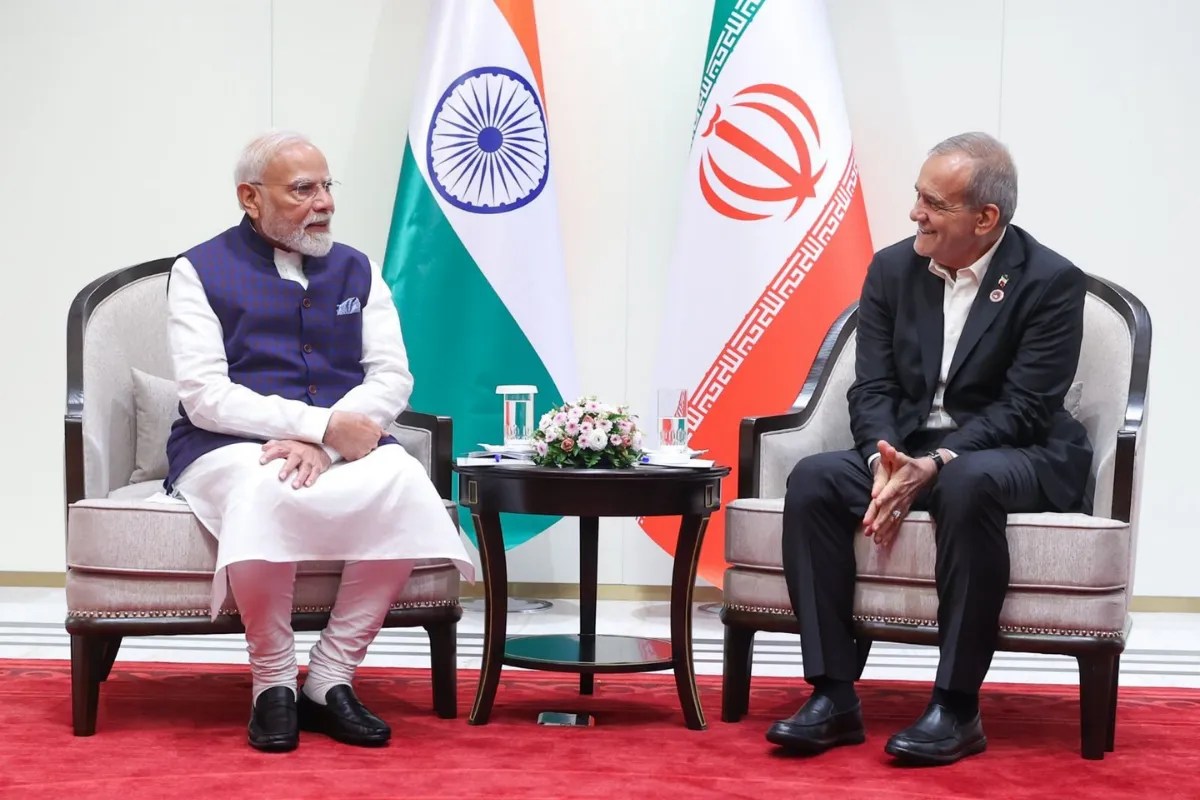
Consider a merchant standing in Bishkek today, watching the gray light catch the snow on the Ala-Too range. Thousands of miles away, in New Delhi, the air is thick with the scent of monsoon and diesel, yet a similar quiet ambition stirs in office towers and parliament halls. When Prime Minister Narendra Modi and Kyrgyzstan President Sadyr Zhaparov sit down to talk, they are not merely trading bureaucratic pleasantries or signing dry communiqués. They are tending an old hearth.
History is heavy. We forget how close we actually are.
Stand in the Central State Museum in Bishkek and look at the black-and-white photographs of early travelers who braved the Karakoram passes. Breath freezing in the dark. Mules slipping on icy shale. The sheer audacity of trying to connect two worlds separated by the roof of the world. That altitude is unforgiving. It demands a specific kind of stubbornness, a refusal to let geography dictate isolation.
Today, that stubbornness takes the shape of trade corridors, digital connectivity, and counter-terrorism agreements. But beneath the diplomatic shorthand of a strategic partnership lies a much simpler human truth: people want to trade, they want to study, and they want to feel safe in an unpredictable world.
Think of a young medical student from Srinagar packing her bags for Bishkek. She is terrified. The language is strange, the winters are brutal, and her mother has packed enough dried spices to last a small village. Yet, within weeks, she finds herself sharing tea in a cramped apartment with classmates from Osh and Jalal-Abad, debating exams in broken Russian and accented English. This is where diplomacy actually happens. Not in the velvet-roped halls of international summits, but over steaming bowls of beshbarmak and cups of sweet black tea shared by students thousands of miles from home.
Modi and Zhaparov understand this quiet undercurrent. When leaders reaffirm their commitment to a strategic partnership, they are effectively clearing the brush from these ancient human trails. They are making it easier for the student to travel, for the tech entrepreneur to pitch an idea across borders, and for security agencies to share intelligence before small sparks become roaring fires.
The threats of our era do not wear uniforms of a single nation. Radicalism, drug trafficking, and economic instability creep through the cracks of the global architecture, indifferent to flags. When New Delhi and Bishkek lock arms against these shadows, they protect more than just state interests. They protect the mother waiting for her son to return from the market, the small business owner trying to expand his digital footprint, and the quiet dignity of ordinary life in two proud nations.
We live in an age that prizes speed over depth. Headlines flash, algorithms scream, and treaties are reduced to bullet points on social media feeds. But real relationships take time. They are built through slow, deliberate masonry—trade delegation by trade delegation, cultural exchange by cultural exchange, handshake by handshake beneath the eternal snows of the Tien Shan.
The mountains remain. The wind still blows from the north, carrying the scent of pine and high-altitude stone down to the plains. And somewhere in the quiet spaces between governments and citizens, the old road is being paved anew, stone by careful stone.