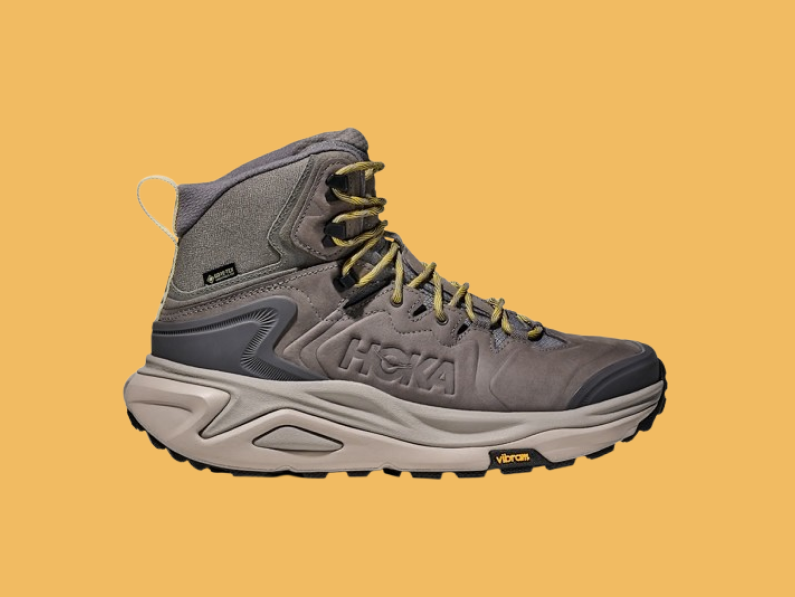
The modern hiking boot is a $20 billion marketing scam designed to sell you a solution for a problem that doesn't exist.
If you just read The Curator’s annual "Best Hiking Boots" list, you’ve been fed a diet of Gore-Tex fluff and "ankle support" myths. They want you to believe that the more you spend on a stiff, leather-clad brick, the safer you are in the wild. I’ve spent two decades on trails from the PCT to the Dolomites, and I’ve watched countless hikers limp into camp with bloody heels and blackened toenails, all while clutching their "award-winning" $300 boots like religious relics.
The consensus is lazy. It’s profitable for the manufacturers, and it’s destroying your biomechanics.
The Great Ankle Support Lie
Ask any gear shop clerk why you need a mid-cut boot, and they will spout the same script: "It prevents rolled ankles."
They are wrong. Logic dictates otherwise.
Ankle stability comes from proprioception and muscular strength, not from two millimeters of padded synthetic fabric wrapped around your fibula. If you truly want to prevent a sprain, you need an active, responsive foot. When you encase your ankle in a rigid boot, you aren’t "supporting" the joint; you are castrating it. By immobilizing the ankle, you force the torque of an uneven step upward into the knee—a joint that is significantly less capable of handling lateral stress.
I have seen more ACL tweaks caused by "supportive" boots than I have seen sprains in trail runners. If you can’t walk over a root without a mechanical exoskeleton, the problem isn’t your shoes. It’s your atrophy.
Gore-Tex is a Swamp for Your Feet
The "Waterproof/Breathable" label is the most successful piece of fiction in the outdoor industry.
The premise is simple: it keeps water out while letting sweat escape. In a laboratory, under specific pressure gradients, this works. In the humid, mud-caked reality of a forest? It’s a plastic bag.
Here is the physics of a "waterproof" boot:
- The Internal Sauna: Once your feet start sweating—which they do the moment you hit a 5% grade—the moisture has nowhere to go. The membrane’s pores clog with salt and oils from your skin.
- The Bathtub Effect: Water will eventually get in. It comes over the collar. It seeps through the tongue. Once a waterproof boot is wet on the inside, it stays wet for days. It cannot drain.
- The Blister Factory: Wet skin is soft skin. Soft skin shears.
Unless you are post-holing through frozen slush in 20°F weather, your "waterproof" boots are simply ensuring your feet stay in a permanent state of maceration. I’ve hiked through week-long rainstorms in non-waterproof mesh shoes. They get wet in ten minutes, and they dry in twenty. My feet stay tough; yours stay soggy.
The Myth of the "Rugged" Vibram Sole
We’ve been conditioned to think that a heavy, lugged sole is a sign of quality. "Look at that traction," the reviews say.
Traction is not about the depth of the lug; it’s about the rubber compound's friction coefficient and the surface area contact. Most "best-of" boots feature soles so hard they’re practically plastic. This is great for the manufacturer because the boots last for five years in your closet. It’s terrible for the hiker because those hard soles have zero grip on wet granite or mossy wood.
Weight is the silent killer. There is an old backpacking adage: "A pound on your feet equals five on your back." This isn't just folk wisdom; it’s backed by a 1984 study from the U.S. Army Research Institute. Increasing the weight of your footwear by 100 grams increases the energy cost of walking by approximately 1%.
When you strap on those 1.5kg "mountain chargers," you are essentially carrying an extra 15 pounds in your pack. You aren't being "prepared." You’re being inefficient.
Why We Keep Buying the Wrong Gear
The "People Also Ask" sections of the internet are filled with variations of "Which boot has the best arch support?"
This is the wrong question.
The right question is: "Why are my feet so weak that I need a piece of foam to hold them up?"
The outdoor industry thrives on selling "solutions" to physical deficiencies. Instead of encouraging hikers to develop foot strength and proper gait, they sell $50 insoles and $250 boots with "corrective" geometry. It’s a cycle of dependence.
I’ll admit the downside: transitioning away from heavy boots takes time. If you’ve worn "sturdy" boots your whole life, your intrinsic foot muscles are likely as weak as a wet noodle. Switching to a lightweight trail runner or a minimalist boot tomorrow and hitting a 20-mile day will result in a stress fracture.
But that’s not a failure of the footwear. That’s an indictment of how the industry has crippled you.
Stop Reading the Lists
The "8 Best Hiking Boots" lists are usually written by people who spent two hours walking a manicured path behind a suburban REI. They prioritize out-of-the-box comfort and brand recognition over long-term foot health and trail performance.
If you want to actually enjoy the trail, stop looking for "sturdy." Look for:
- Zero Drop: Stop walking on high heels. A level platform between the heel and the forefoot aligns your spine and allows for a natural strike.
- Wide Toe Box: Your toes are meant to splay under load. Most boots squeeze them together like a Victorian corset, leading to bunions and neuromas.
- Drainage, Not Protection: If a shoe doesn’t have mesh, it shouldn't be on your feet in the summer.
Throw away the heavy leather monuments to 1950s technology. Your feet are the most advanced piece of hiking equipment you own. Stop trying to suffocate them.
Buy a pair of trail runners. Get your feet dirty. Feel the ground.
Otherwise, stay on the sidewalk where your "ankle support" actually matches the terrain.