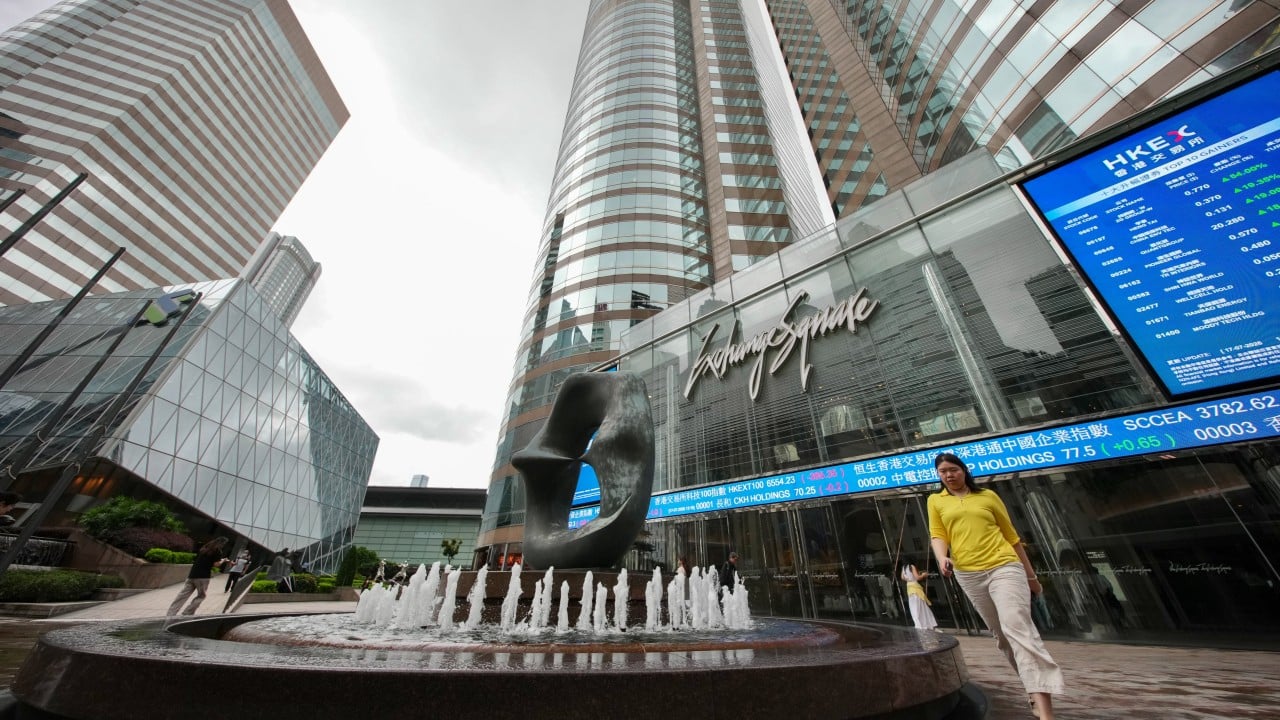
Hong Kong is shaking up its stock exchange rules, and it couldn't happen at a more critical moment. Hong Kong Exchanges and Clearing (HKEX) is preparing to officially roll out sweeping changes to its listing regime. The headline moves? Allowing confidential filings for IPO applications and slashing the market cap requirements for high-growth tech startups and dual-class share structures.
If you've followed Asian capital markets over the last three years, you know HKEX has been fighting an uphill battle. High global interest rates, geopolitical friction, and aggressive competition from mainland exchanges like Shanghai's STAR Market and Shenzhen's ChiNext have pulled attention away from Hong Kong. By letting founders keep their sensitive financial metrics quiet during regulatory reviews and lowering the valuation hurdle to list, HKEX is making an aggressive play to regain its crown as Asia's primary IPO destination.
Let's break down what these listing changes actually mean, why they matter for founders and investors, and where the potential friction points lie.
The Problem With Forcing Startups to Bare Their Souls Early
Under traditional HKEX rules, filing a prospectus meant putting your entire commercial strategy, supplier lists, revenue metrics, and proprietary trade secrets on full public display from day one.
That creates a massive risk for fast-growing technology companies.
Imagine you're a mid-sized artificial intelligence startup or a battery tech enterprise. You apply for a public listing, and the review process takes six to nine months. During that whole window, your competitors can analyze your gross margins, customer concentration, and expansion plans. If market conditions sour midway through and you decide to pull or delay your IPO, you've just handed your rivals your playbook without raising a single dollar of capital.
By introducing confidential IPO filings across the board, HKEX is adopting a model that has worked wonders for US exchanges like the NYSE and Nasdaq.
How Confidential Filings Change the Founder Game Plan
- Strategic privacy during vetting: Companies can submit financial statements and respond to regulatory queries without alerting competitors or public markets.
- Market timing flexibility: If broader market sentiment turns negative during the review process, issuers can quietly pull back without suffering the public stigma of a failed listing.
- Protection of IP and commercial deals: Proprietary technology metrics and sensitive supply chain agreements remain confidential until the company actually launches its public roadshow.
This shift removes a major mental barrier for founders who want to go public but fear exposing vulnerable early-stage metrics to well-funded incumbents.
Slashing Market Cap Thresholds: Opening the Gates for High-Growth Tech
The second pillar of HKEX’s overhaul targets financial eligibility thresholds. Historically, HKEX required eye-watering valuations for companies seeking to list with Weighted Voting Rights (WVR)—the dual-class share structure that allows founders to retain voting control despite holding a minority equity stake.
Under the previous regime, a company needed a market capitalization of at least HK$40 billion (roughly $5.1 billion USD), or HK$10 billion with at least HK$1 billion in revenue, to qualify for WVR.
That set the bar too high for mid-cap technology firms that were growing fast but hadn't yet achieved mega-cap status.
OLD WVR ENTRY THRESHOLDS vs. NEW PROPOSED REQUIREMENTS

Standard Option A:
- Old Rule: HK$40 Billion Market Cap
- Proposed: HK$20 Billion Market Cap

Standard Option B:
- Old Rule: HK$10 Billion Market Cap + HK$1 Billion Revenue
- Proposed: HK$6 Billion Market Cap + HK$600 Million Revenue
Halving these requirements dramatically expands the pool of eligible tech firms. Suddenly, Series C and Series D startups sitting on valuations between $800 million and $2.5 billion USD have a realistic path to list in Hong Kong while keeping their founder-led voting structures intact.
HKEX is also relaxing criteria for overseas-listed Chinese tech giants to execute secondary or dual-primary listings in Hong Kong. Historically, companies like JD.com or NetEase faced technical roadblocks when attempting to convert secondary listings into primary ones because of legacy voting-ratio caps. By raising the allowed voting power ratio cap from 10:1 to 20:1 for qualifying mega-caps, HKEX is clearing a frictionless path for cross-border capital flows.
Expanding the Definition of Innovation Beyond Pure Code
One subtle but massive change in HKEX's framework is how regulators define an "innovative company."
Previously, listing approval teams leaned heavily toward deep-tech, hardware, and biotech ventures. If you built microchips or novel pharmaceuticals, you fit the mold. If you built a high-margin supply chain platform or a disruptive consumer business model, you had a much harder time convincing regulators you were "innovative" enough for special listing pathways.
The updated framework establishes two distinct evaluation pathways:
- Path A (Technology Innovation): Focused on hard tech, proprietary software, advanced manufacturing, and novel materials.
- Path B (Business-Model Innovation): Designed for companies using novel operational, logistical, or distribution models to disrupt traditional industries.
To keep Path B from becoming a free-for-all, HKEX introduced clear, objective metrics: applicants need to demonstrate a compound annual growth rate (CAGR) of at least 30% and hold a leading market position in their specific vertical. This eliminates guesswork and gives founders a clear numerical target to hit before filing.
The Real Drivers Behind HKEX's Regulatory Push
Exchange competition across Asia is fiercer than ever. For years, US exchanges captured the lion's share of high-growth Asian tech IPOs because of high liquidity and flexible listing criteria.
At the same time, regional market dynamics have shifted:
- South-Bound Capital Demand: Mainland Chinese investors trading via the Stock Connect program want exposure to innovative growth companies. However, secondary listings are excluded from Stock Connect. By encouraging companies to adopt dual-primary listings in Hong Kong, HKEX unlocks direct liquidity from mainland retail and institutional funds.
- The Chapter 18C Reality Check: Introduced in 2023 to cater to pre-revenue specialist technology firms, Chapter 18C had a slow initial adoption curve. High valuation hurdles kept early-stage candidates sidelined. Lowering thresholds across standard WVR and 18C frameworks fixes those structural bottlenecks.
- Global Macro Shifts: Venture capital funds face pressure to distribute returns to limited partners. With traditional M&A markets constrained, public exchanges must step up to offer viable, timely exit routes.
Potential Risks and What Investors Should Watch
Easier access to public markets isn't without risk. Lowering market cap thresholds means introducing retail and institutional investors to younger, less battle-tested enterprises.
Market participants need to keep an eye on a few critical factors:
- Valuation Compression Post-IPO: Companies listing at lower market caps must price their offerings realistically. Overvalued listings that tank on day one hurt market sentiment for the whole sector.
- Corporate Governance Balance: Allowing 20:1 voting rights gives founders immense control. Institutional investors will need to scrutinize independent board oversight to ensure minority shareholder rights remain protected.
- Post-Filing Information Quality: While confidential filings protect proprietary data early on, public prospectuses must still deliver total disclosure when the offer goes live. Cutting corners on transparency right before a roadshow will backfire quickly.
Practical Steps for Tech Founders Planning an IPO
If you're an executive or founder running a high-growth company with sights on a Hong Kong listing, here is how you should adjust your capital markets strategy right now:
- Audit your revenue and CAGR figures immediately. If you're targeting Path B under the new innovation framework, make sure your revenue metrics clearly show the required 30% annual growth trajectory over your track record period.
- Evaluate your voting structure early. Work with corporate counsel to determine whether a dual-class (WVR) structure makes sense under the revised HK$20 billion or HK$6 billion thresholds. Align founder economic stakes with regulatory minimums.
- Prepare a confidential submission strategy. Map out your proprietary trade secrets and sensitive customer agreements. Work with advisors to assemble a confidential draft prospectus, taking full advantage of the non-public review window to fix regulatory queries before public exposure.
- Engage with Southbound Stock Connect requirements. If you already have a secondary listing elsewhere, assess the cost and strategic benefit of converting to a primary listing in Hong Kong to tap directly into mainland China's vast liquidity pool.