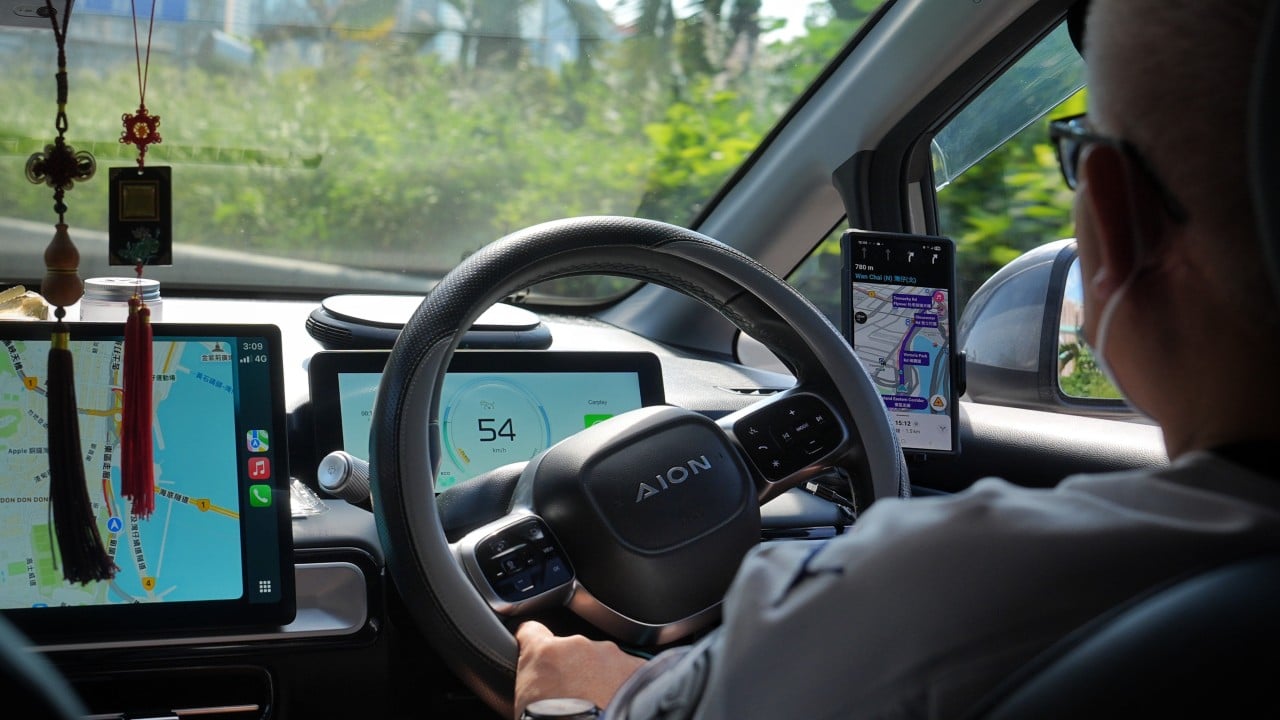
The long-standing truce between the Hong Kong government and ride-hailing giant Uber is coming to an end. After a decade of looking the other way while thousands of private cars operated in a legal gray zone, authorities are finally tightening the net. The Transport and Logistics Bureau is drafting a legislative framework to regulate the industry, and the fallout will be felt by every commuter from Central to the New Territories. This is not just about paperwork. It is an existential threat to the flexible transport model that has flourished in the city since 2014.
For years, the status quo was a fragile peace. The government occasionally staged high-profile arrests of drivers to appease the powerful taxi lobby, but the Uber app remained active and widely used. That era of ambiguity is over. The new regime aims to force ride-hailing into a licensed system, which essentially means Uber must either operate like a traditional taxi fleet or risk being phased out entirely. You might also find this connected coverage useful: Vietnam Petroleum Chess Why The Blockade Plea Is Strategic Theater.
The Taxi Monopoly Tightens Its Grip
The primary driver behind this sudden legislative push is the 18,163 taxi licenses that represent a massive, private investment class in Hong Kong. A single taxi premium (the cost of the license) has historically hovered between $3 million and $7 million HKD. When Uber entered the market, these premiums plummeted, wiping out the paper wealth of "taxi kings"—the fleet owners who hold hundreds of licenses and rent them out to drivers.
These stakeholders have deep political connections. They have successfully argued that Uber’s "unauthorized" use of private cars constitutes unfair competition. The government’s response is a proposal to introduce a licensing system for "Ride-Hailing Platforms." While this sounds like progress, the fine print suggests a much darker reality for the casual driver. As reported in recent coverage by CNBC, the results are notable.
Under the proposed rules, only vehicles with a Hire Car Permit (HCP) would be allowed to take bookings. Currently, the number of these permits is capped at 1,500. There are tens of thousands of Uber drivers. The math doesn't work. Unless the government drastically expands the HCP quota—a move the taxi industry would fight with every resource at its disposal—the majority of Uber's current fleet will become illegal overnight.
The Myth of Quality Control
Authorities claim the new regulations are about "enhancing passenger safety" and "improving service quality." This is a convenient narrative that masks the underlying protectionism. Hong Kong’s taxi service has been criticized for decades due to selective pick-ups, rude drivers, and poor vehicle maintenance. The irony is that Uber’s rating system solved most of these issues through market mechanics rather than government mandates.
By forcing ride-hailing into a rigid licensing box, the government risks destroying the very incentives that made Uber popular. If Uber is required to use only taxis or a small pool of licensed hire cars, the competitive pressure on traditional taxis vanishes. We are seeing a shift away from a "ratings-based" economy back to a "monopoly-based" one.
Consider the insurance implications. A major pillar of the new regime involves mandatory third-party insurance that specifically covers ride-hailing. While this is objectively good for safety, the cost of such insurance in Hong Kong is astronomical for individual car owners. Only large fleets can absorb these premiums. This effectively kills the "gig" element of the platform, where a person can drive their own car for a few hours a week to make extra cash.
Why Technical Compliance is a Trap
The government is also weighing whether to criminalize the platform itself rather than just the drivers. In the past, the police focused on the "hire for reward" aspect of the individual driver’s actions. The new laws could make it illegal for an unlicensed platform to even offer a booking service.
If the bureau moves forward with this, Uber will be forced into a "Taxi-Only" model in Hong Kong. We have already seen the beginnings of this with the launch of "Uber Taxi." However, for the consumer, this is a net loss. The entire appeal of the app was the ability to bypass the frustrations of the traditional taxi experience. If every Uber you call is just a yellow-and-red Toyota Crown with a different app behind it, the innovation has been effectively neutralized.
The government is also looking into "demand-led" licensing. This sounds sophisticated, but in bureaucratic terms, it means the government will decide how many cars the city "needs." History shows that when regulators try to guess market demand, they usually undershoot, leading to longer wait times and higher surge pricing during peak hours.
The Hidden Cost of the Premium System
To understand why the government is so hesitant to just "legalize" Uber, you have to look at the balance sheets of the local banks. Many taxi licenses are used as collateral for significant loans. If the government were to issue 10,000 new ride-hailing permits for a nominal fee, the value of existing taxi licenses would crater. This could trigger a wave of defaults in the transport sector, creating a localized financial crisis.
The bureaucrats are stuck. They cannot let Uber run free without enraging the taxi lobby and threatening the banking sector, but they cannot ban it entirely without outraging the public who rely on the service. The current "regime" is an attempt to split the difference. It is a slow-motion strangulation of the private-car model designed to give the taxi industry time to modernize—or at least consolidate their power.
The Data Privacy Question
An overlooked part of the proposed legislation involves data sharing. The government wants "real-time access" to ride-hailing data for "urban planning and traffic management." This is a significant escalation of state oversight.
In a city already sensitive about digital footprints, the requirement for a global tech company to hand over GPS coordinates of every trip to a government database is a major friction point. Uber has historically resisted such broad data-sharing mandates in other jurisdictions. If they refuse to comply in Hong Kong, the platform could be blocked entirely, similar to the "Great Firewall" style of enforcement seen across the border.
The implications for international business are clear. If Hong Kong cannot find a way to integrate a standard global tech platform like Uber into its legal framework without gutting its core value proposition, it sends a signal that the city’s regulatory environment is becoming increasingly rigid and hostile to disruptive innovation.
The Commuter’s New Reality
What does this mean for your commute tomorrow? In the short term, expect "ghost" cars and longer wait times. As the government increases enforcement to signal its seriousness, many part-time drivers are already parking their cars. They don't want to risk a $10,000 fine or vehicle impoundment for a $60 fare.
As the regime becomes more defined, the price of a ride will inevitably rise. Between the cost of new licenses, specialized insurance, and platform fees to cover regulatory compliance, the "cheap" Uber ride is a relic of the past. We are entering an era of "Premium Ride-Hailing," where the service is available but only at a price point that makes it a luxury rather than a daily utility.
The government's proposed "Taxi Fleets" are the final piece of the puzzle. By encouraging taxi owners to group together into large, managed fleets with better apps and newer cars, the authorities hope to bridge the gap between Uber’s convenience and the taxi industry’s legality. It is a top-down solution to a bottom-up problem. It assumes that what people wanted from Uber was just a cleaner car, ignoring the fact that what people really wanted was a market that worked for the passenger instead of the license holder.
The era of the "unregulated" ride is over. Whether the replacement is better or just more expensive remains to be seen, but the days of the friction-less app experience in Hong Kong are numbered. The government has chosen its side, and it isn't the side of the gig economy.
Download your receipts and keep your Octopus card topped up. The next few years of Hong Kong transit will be defined by higher costs, fewer choices, and a bureaucracy that has finally decided it has seen enough of the Silicon Valley way of doing things. The city is moving back to a system where the plate on the bumper matters more than the software in your pocket.