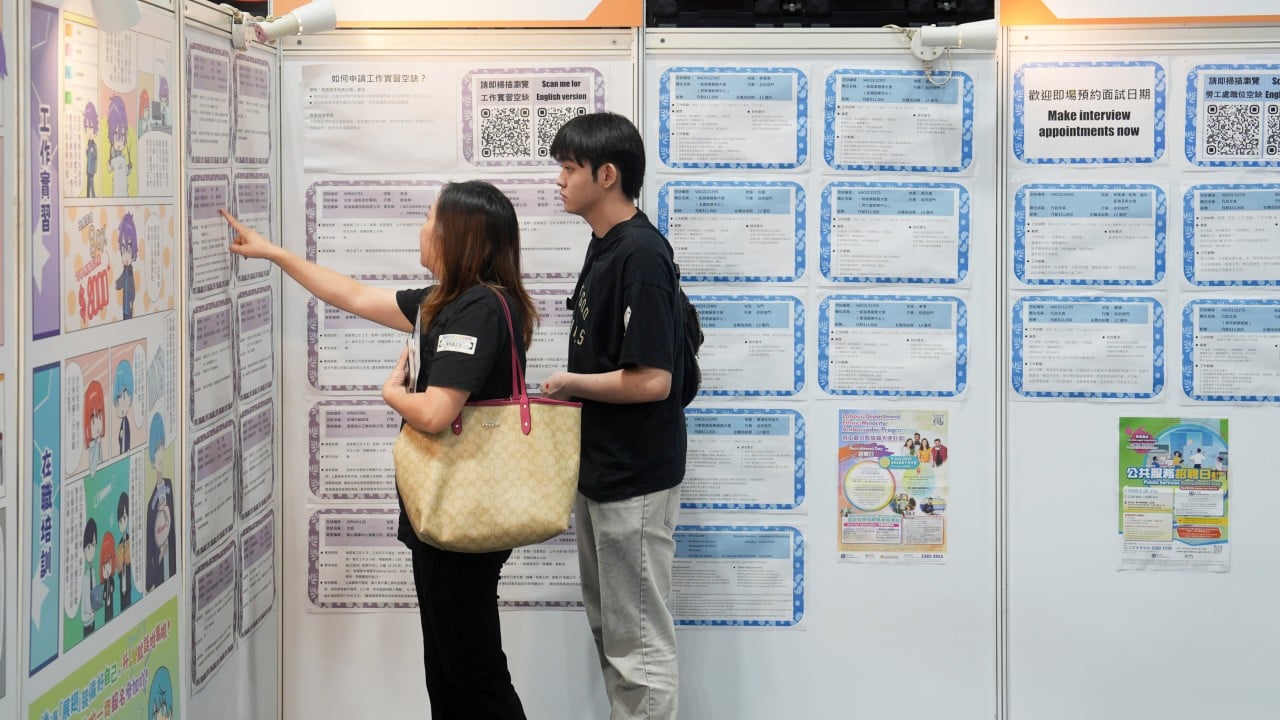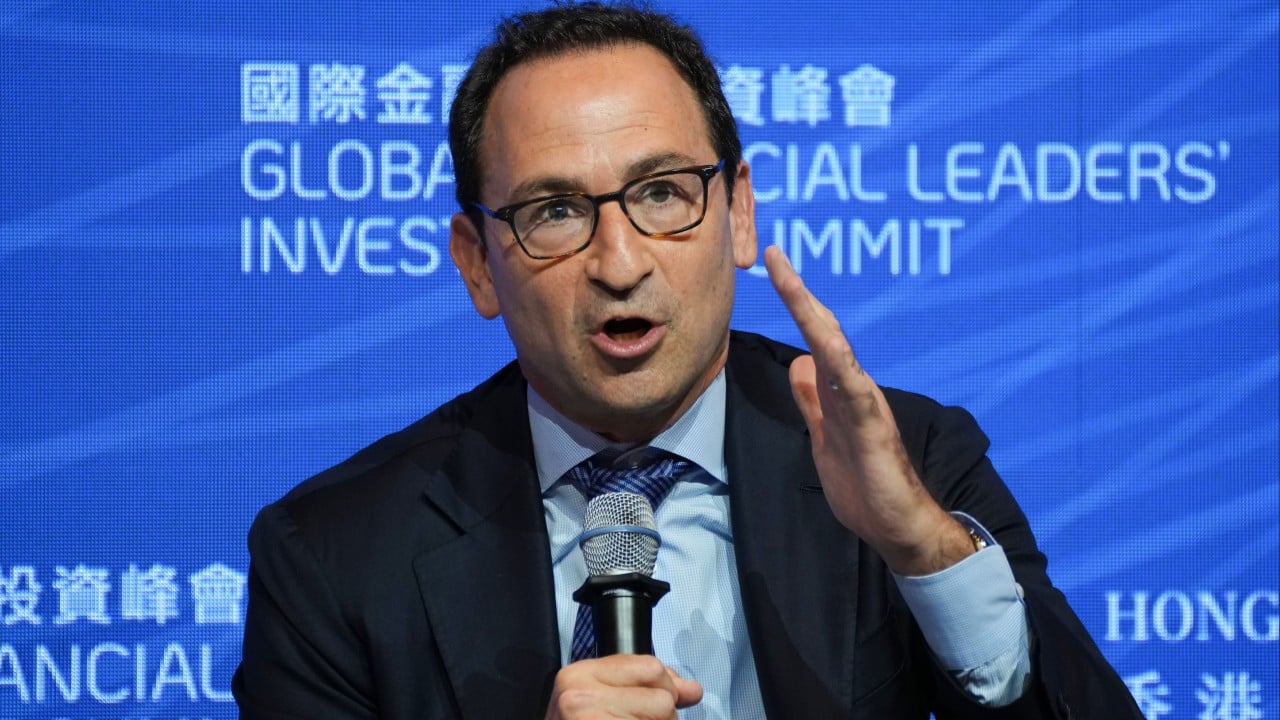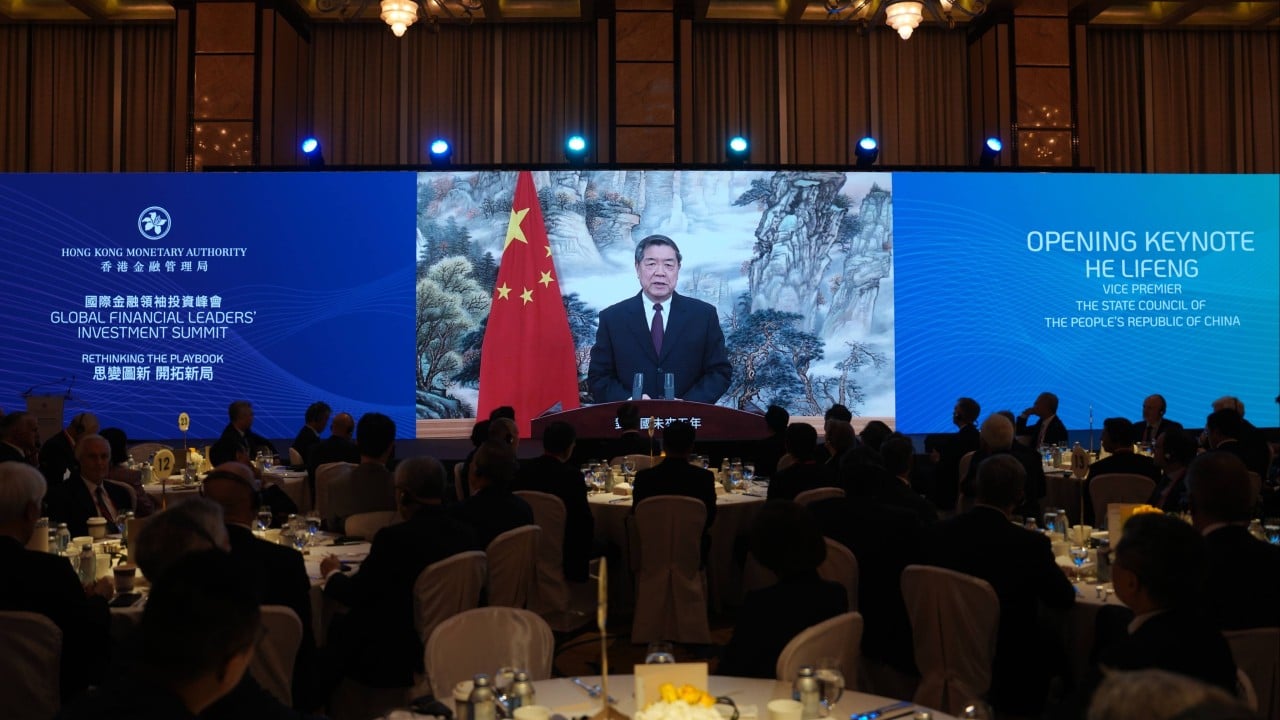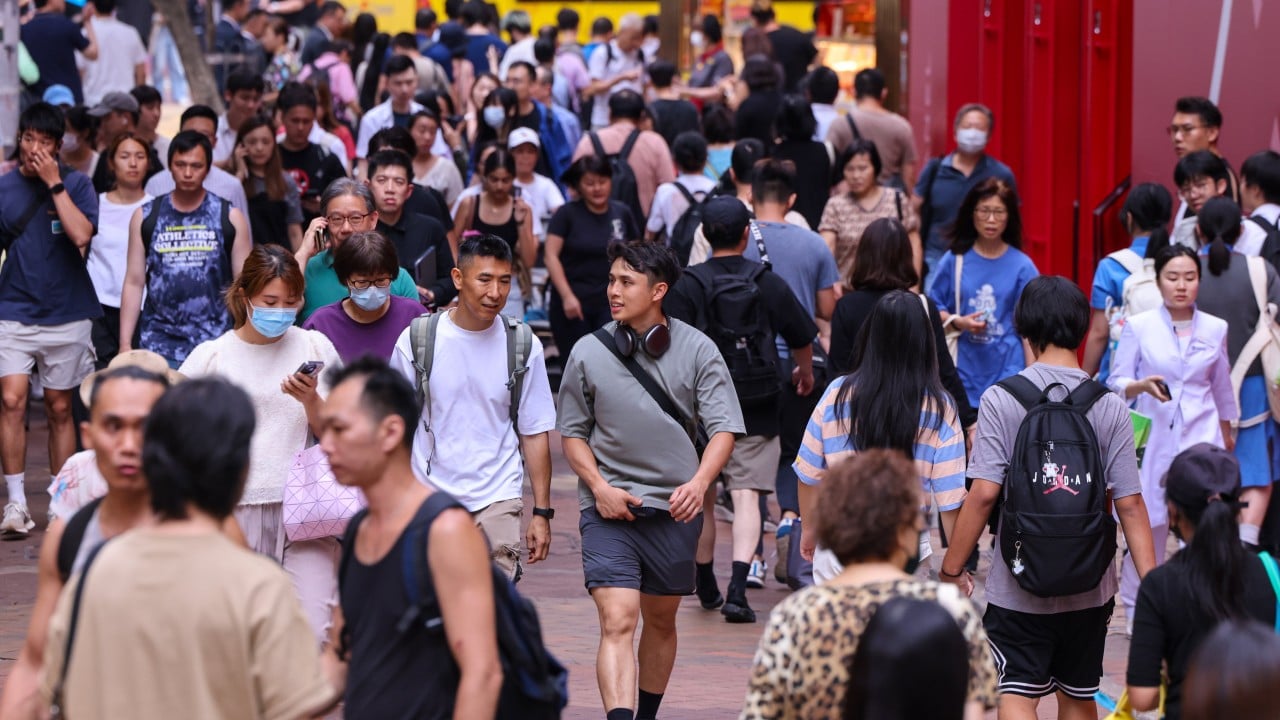
Hong Kong just notched its 15th consecutive quarter of economic expansion, posting a headline gross domestic product growth rate of 5.2%. On paper, the city looks like an unstoppable financial juggernaut shaking off years of pandemic isolation and geopolitical friction. Dig beneath the official press releases, however, and a starkly different reality emerges. That 5.2% figure is not the result of a broad-based boom lifting all boats across the territory. Instead, it reflects a deeply divided, two-speed economy where surging external trade and institutional capital flows are masking persistent structural weaknesses in domestic retail, commercial real estate, and local consumption.
Numbers rarely tell the whole story. In a small, hyper-open economy like Hong Kong, headline GDP figures are notoriously sensitive to shifts in re-exports, financial services turnover, and base effects from prior quarters. When global supply chains reroute or mainland Chinese firms rush to raise capital offshore, the resulting spike in service exports and trade volume can push aggregate growth past 5% even while neighborhood storefronts in Causeway Bay sit empty. Understanding this disconnect requires separating the city’s role as an international clearinghouse from its health as a local marketplace.
The Illusion of the Headline Number
To see how a city can celebrate 15 straight quarters of growth while local business owners complain of a recession, you have to look at how GDP is calculated. Gross domestic product measures the total value of goods and services produced within a territory, heavily weighted toward trade balances and financial intermediation in a hub like Hong Kong.
Consider a hypothetical example of how this works in practice. Suppose an international electronics manufacturer ships components from Southeast Asia through Hong Kong’s logistics network to a factory in Guangdong, while simultaneously using a Hong Kong investment bank to hedge its currency risk. Both the logistics handling fee and the financial advisory commission register as positive contributions to Hong Kong’s GDP. Yet neither transaction puts a single dollar into the cash register of a local restaurant in Mong Kok or a boutique in Central.
This dynamic has defined Hong Kong’s post-pandemic recovery. External demand—driven by cross-border wealth management, offshore listings, and air cargo shipments—has carried the statistical weight of the expansion. Meanwhile, private consumption expenditure, which traditionally acts as the stabilizer for the local workforce, has struggled to keep pace with inflation and shifting consumer habits.
The Shenzhen Drain and Changing Consumer Habits
Walk across the Lo Wu or Lok Ma Chau border checkpoints on any given Friday evening, and you will witness the single biggest drag on Hong Kong’s domestic economy. Hundreds of thousands of residents routinely head north into Shenzhen and wider Guangdong province for weekend dining, groceries, dental work, and entertainment.
The math behind this exodus is brutal. A strong Hong Kong dollar, pegged tightly to the US dollar under the Linked Exchange Rate System, makes goods and services in mainland China remarkably cheap for Hong Kong wage earners. At the same time, rapid improvements in mainland service quality, digital payment integration, and high-speed rail connectivity have erased the friction that once kept shoppers at home.
Local retailers face an impossible squeeze. They pay some of the highest commercial rents and labor costs in Asia while competing directly against merchants just 30 minutes away across the border who operate on a fraction of that overhead. High-end luxury malls that once relied on high-spending mainland tourists have also had to recalibrate, as younger visitors increasingly prioritize experiential travel—hiking Dragon's Back or visiting museums in the West Kowloon Cultural District—over buying designer handbags in Tsim Sha Tsui.
Where the 5.2% Growth Actually Came From
If local shoppers are spending their money across the border, what fueled a 5.2% surge? The answer lies in three distinct engines that operate largely independent of street-level sentiment.
Air Cargo and Supply Chain Rerouting
Hong Kong International Airport remains the busiest cargo hub on the planet, and recent trade dynamics have only reinforced its dominance. Global e-commerce giants rely heavily on Hong Kong’s customs efficiency and flight connectivity to move high-value, time-sensitive goods from southern China to North America and Europe.
Furthermore, ongoing tariff disputes and shifting trade policies have forced manufacturers to diversify production into Southeast Asia while still relying on Hong Kong for trade finance, quality assurance, and regional logistics coordination. Every time global supply chains become more complex, middlemen with deep legal and logistical infrastructure collect a larger fee.
Cross-Border Wealth and Capital Markets
Hong Kong’s core identity as a financial super-connector has proven remarkably resilient despite years of Western media narratives predicting its demise. While initial public offering volumes experienced prolonged slumps in recent years, secondary market turnover, bond issuance, and private wealth management have roared back.
Mainland Chinese enterprises facing fierce domestic competition are aggressively expanding overseas, and they use Hong Kong as their primary treasury and corporate finance hub to execute that expansion. Simultaneously, affluent families from across Asia and the Middle East have poured capital into Hong Kong family offices, drawn by zero capital gains taxes, deep liquidity pools, and regulatory clarity. Net exports of financial services provide massive high-margin output per worker, punching far above their headcount weight in national accounts.
Government Infrastructure and Public Spending
A quieter pillar supporting the 15-quarter growth streak is sustained public sector capital expenditure. Massive multi-year commitments—ranging from hospital expansions and public housing estates to the early phases of the Northern Metropolis megaproject—inject billions of dollars directly into the construction and engineering sectors. Unlike private real estate development, which freezes when interest rates rise, state-backed infrastructure spending moves on a fixed political timeline, acting as a reliable floor under quarterly GDP prints.
The Structural Elephants in the Room
Celebrating a 5.2% expansion without acknowledging the vulnerabilities underneath is dangerous policy. Two massive structural headwinds threaten to turn this two-speed economy into a permanent divide.
The Commercial Real Estate Overhang
Take a look up at the skyline in Central or Quarry Bay, and you will see gleaming new Grade-A office towers fighting for tenants in a market plagued by double-digit vacancy rates. The shift toward hybrid work, combined with Western multinationals downsizing regional headquarters or consolidating back-office functions in Singapore and Tokyo, has left millions of square feet of prime office space empty.
Falling commercial property valuations do not stay confined to real estate developers. In Hong Kong, property serves as the primary collateral for corporate lending across the banking system. When office and retail valuations drop by 30% to 40% from their peaks, banks tighten credit standards for small and medium-sized enterprises. A local logistics firm or trading house trying to expand may look at a booming 5.2% headline GDP number, only to find its local bank demanding more collateral just to renew an existing credit line.
The Fiscal Tightrope
For decades, Hong Kong balanced its budgets effortlessly on the back of land sales to property developers. That model is broken. With developers sitting on high inventory and wary of bidding aggressively at government land auctions, public coffers have faced consecutive years of steep deficits.
The government has responded by issuing infrastructure bonds and trimming public expenditures, while rolling out targeted subsidies to attract talent and strategic enterprises. Yet the long-term fiscal math remains tight. Relying on volatile stamp duties from stock market rallies and bond issuance to fund recurring social welfare for a rapidly aging population leaves very little margin for error if global financial conditions suddenly tighten.
The Currency Peg Double-Edged Sword
Any honest assessment of Hong Kong’s economy must confront the Linked Exchange Rate System. Since 1983, the Hong Kong dollar has been pegged to the US dollar within a narrow band of 7.75 to 7.85. This mechanism is the bedrock of the city's monetary stability, guaranteeing international investors that their capital will not be eroded by sudden currency devaluation.
However, the peg strips Hong Kong of an independent monetary policy. Whenever the US Federal Reserve keeps interest rates elevated to combat American inflation, Hong Kong must import those exact same high interest rates—even if its own domestic retail and property sectors desperately need cheaper credit to survive.
During the latest 15-quarter expansion, this dynamic created an acute divergence. High US rates boosted net interest margins for Hong Kong’s major international banks and made fixed-income products attractive to global wealth managers, lifting the financial sector. At the exact same time, those high rates crushed local mortgage holders, froze residential property transactions, and suffocated debt-laden local retailers. The very policy that protects the city’s status as a premier financial center acts as a straightjacket on its domestic Main Street.
What Investors and Operators Actually Need to Watch
If you are deploying capital, opening a regional office, or managing supply chains in Asia, treating Hong Kong’s 5.2% growth rate as a monolithic buy signal is a rookie mistake. You have to underwrite the specific sector you are entering rather than betting on the macro headline.
- Ignore aggregate retail sales data as a proxy for economic health. Look instead at the divergence between non-discretionary consumer staples and discretionary luxury goods, alongside monthly cross-border passenger departures. Until wage growth in Shenzhen catches up to Hong Kong or local commercial rents reset drastically lower, brick-and-mortar retail in Hong Kong will remain a margin-compression trap.
- Follow institutional capital flows and corporate treasury migrations. The real growth is happening in business-to-business services: cross-border legal arbitration, green finance structuring, supply chain management, and family office administration. Companies serving mainland enterprises going global are capturing the lion's share of the 5.2% expansion.
- Watch interbank liquidity and HIBOR spreads. The Hong Kong Interbank Offered Rate tells you far more about actual street-level financial stress than quarterly GDP releases. When liquidity tightens and borrowing costs spike, commercial real estate borrowers and mid-sized local enterprises feel the pain immediately, regardless of how well the stock market is performing.
Hong Kong’s 15th consecutive quarter of growth proves that the city’s core machinery as a global financial and logistics clearinghouse remains fiercely competitive. Businesses that align themselves with cross-border trade, institutional wealth, and regional corporate expansion will continue to thrive in this environment. Those waiting for the bustling, high-margin domestic retail boom of the 2010s to magically return will be waiting for an economy that no longer exists.