The mainstream press is obsessed with the theater of the absurd. They report on "talks" between Washington and Tehran as if they are watching a civilized debate, meticulously tracking the post-game analysis on social media platforms like Truth Social while ignoring the physical reality of the ocean. The narrative is as predictable as it is flawed: President Trump claims the Strait of Hormuz is open; Tehran claims it is shut. Both sides are feeding you a curated fiction, and the energy markets are eating it up like high-priced candy.
Stop reading the headlines about who is talking to whom. The moment you start parsing whether Jared Kushner’s "robust" backchannel efforts carry more weight than a presidential social media post, you have already lost the game. Diplomacy in this theater is just noise designed to mask a fundamental shift in global energy logistics.
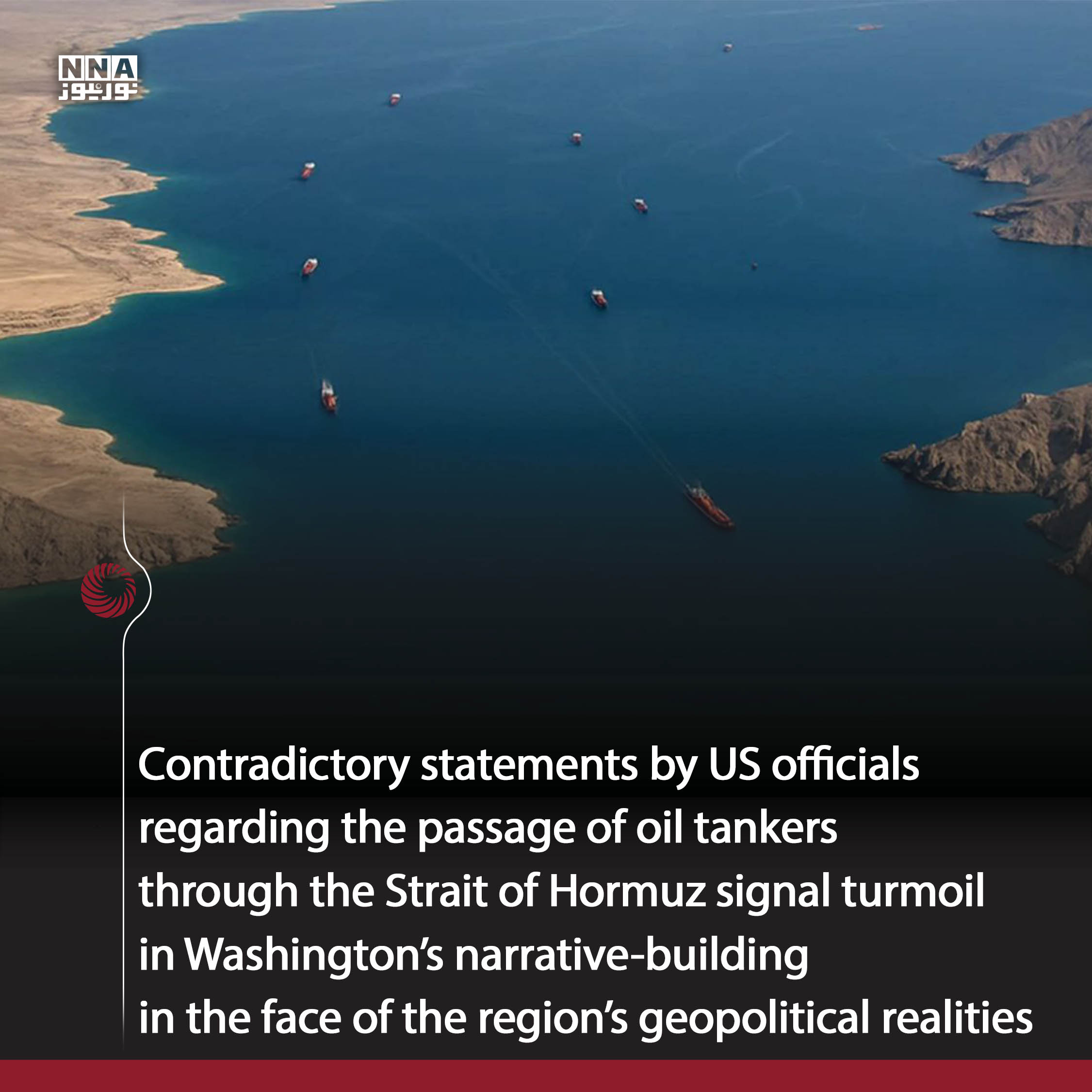
Here is the truth nobody in the newsroom wants to admit: The Strait of Hormuz is not a binary switch that is either "open" or "shut." It is a chokepoint that has effectively been neutralized as a reliable thoroughfare. When you see single-digit shipping crossings, you are not looking at a temporary blockade; you are looking at the death of the pre-2026 global energy order.
Imagine a scenario where the world’s most critical artery for liquefied natural gas and oil essentially turns into a graveyard of metal. That is not a "standoff." That is a structural transformation. If you are waiting for a signed deal to restore the status quo, you are waiting for a ghost.
The media keeps focusing on the "diplomatic stalemate" because it is easy to report. It fits neatly into a conflict narrative. It sells ads. But the actual mechanics of this crisis are rooted in a total breakdown of maritime insurance and physical safety. When a vessel gets hit by an "unknown projectile" and suffers engine damage, the cost of moving a tanker through that water becomes mathematically prohibitive. It does not matter what a president says on his phone or what a negotiator says in parliament. Insurance underwriters do not care about political rhetoric. They care about risk. And right now, the risk in the Persian Gulf is infinite.
You need to stop asking "When will they talk?" and start asking "What happens when global supply chains permanently reroute?"
The "lazy consensus" holds that this is a temporary inflationary shock that will be smoothed over once the "blockade" ends. That is nonsense. We are witnessing the weaponization of the world’s most sensitive economic nerve center. The US naval presence and the Iranian offensive posturing are symptoms of a deeper rot. The underlying geography has been successfully captured by the conflict, and even if a piece of paper is signed tomorrow, the shadow of that risk will linger for a decade.
If you are a business leader, stop building your strategy around the assumption of a return to normalcy. If you are an investor, stop treating oil price spikes as temporary volatility. This is the new baseline. The "full force and effect" of a naval blockade and the "fully offensive" posture of a regional power are not negotiation tactics; they are the new reality of how energy moves—or fails to move—across the globe.
The media’s reliance on "official" statements from both sides is the most egregious part of this cycle. They treat a state-sponsored claim of a closed strait as a "contradiction" of a presidential decree. It is not a contradiction; it is a negotiation of reality itself. Washington wants to project strength and stability to keep markets calm. Tehran wants to project disruption and pain to squeeze the blockade. Both are lying to achieve their objectives.
If you are relying on the wires to tell you if the path is clear, you are looking in the rearview mirror. Check the insurance premiums. Check the actual maritime traffic data, not the "official reports." The truth is written in the water, not on a screen.
The game is rigged, the players are compromised, and the map you are using to navigate this crisis is obsolete. The only move left is to stop trusting the narrative and start pricing in a world where the most important gate on Earth is permanently locked.
Stop waiting for the news to tell you when the trade is back on. It isn't coming back. The gate is gone. Plan accordingly.