The Strait of Hormuz is not a choke point. It is a stage.
When Iran "slams" a US-led UN Security Council resolution aimed at keeping the waterway open, they aren't defending sovereignty. They are reading their lines. When the US pushes for international "legitimization" of its presence in the Gulf, it isn't protecting global trade. It is securing a budget for a naval footprint that technology rendered obsolete a decade ago.
The "lazy consensus" fed to you by mainstream outlets is simple: Iran is a rogue actor threatening the global jugular, and the US is the noble, if slightly overbearing, guardian of the world's oil. Both sides want you to believe the Strait is a hair-trigger away from a global depression.
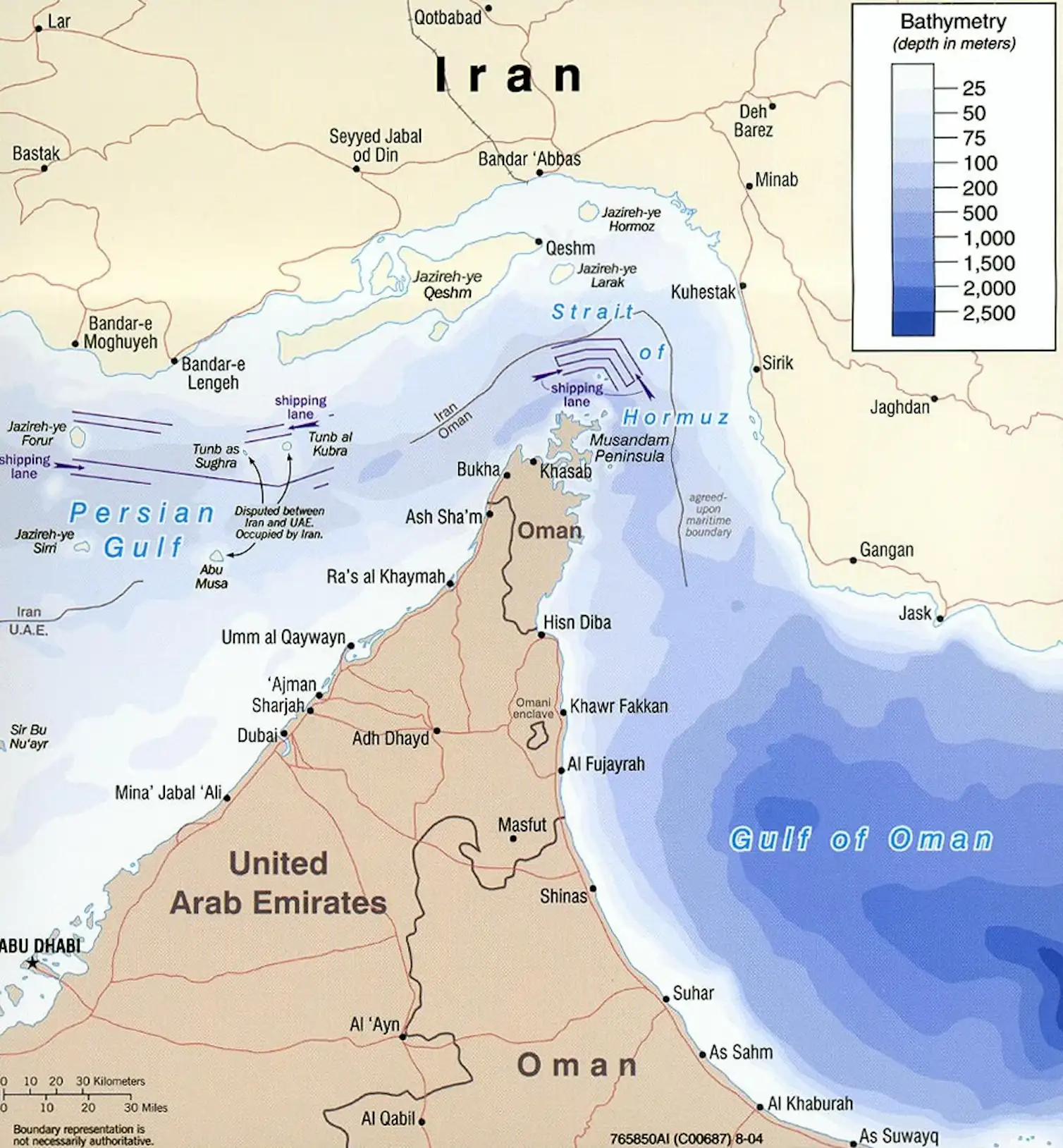
It isn't. The Strait of Hormuz is the most over-analyzed, under-leveraged thirty miles of water on the planet. Here is the reality that neither Tehran nor Washington wants you to grasp.
The Sovereign Myth
Iran calls the UNSC resolution an "advancement of a political agenda." Correct. But calling it "unlawful" is a hilarious bit of historical amnesia.
The legal status of the Strait is governed by the 1982 UN Convention on the Law of the Sea (UNCLOS). Specifically, the regime of transit passage. Iran has signed but never ratified UNCLOS. The US hasn't even signed it. We have two entities arguing over the rules of a club they refuse to fully join.
Iran claims the right of "innocent passage," which allows them to bark at any ship that looks at them sideways. The US claims "transit passage," which basically says, "We’re driving through, and you can’t stop us."
But here is the insider secret: Neither side wants a resolution.
If the UN actually "legitimized" the status of the Strait, the tension would vanish. Tension is the only currency the Iranian Revolutionary Guard Corps (IRGC) has left. If the water is calm, the IRGC loses its seat at the domestic power table. If the water is calm, the US Fifth Fleet has a much harder time justifying its massive footprint in Manama.
The Oil Weapon Is A Prop
We are told that if Iran closes the Strait, the global economy collapses. This is the $100-per-barrel ghost story used to frighten taxpayers.
Let’s look at the math. Roughly 20% of the world’s liquid petroleum passes through Hormuz. If that flow stops, prices spike.
For about a week.
The world is currently swimming in spare capacity. Between the Strategic Petroleum Reserve (SPR), increased production in the Permian Basin, and the fact that China—Iran’s primary customer—would be the first victim of a shutdown, the "oil weapon" is actually a suicide vest.
If Iran closes the Strait, they starve. They don't have the refining capacity to be self-sufficient. They need the exports to buy the gas they can't make themselves. The moment they sink a tanker, they aren't just fighting the US; they are declaring war on the Chinese economy. Beijing does not tolerate disruptions to its energy supply.
The UNSC resolution isn't about oil. It's about precedent.
The Logistics of a Fake War
I have spent years analyzing maritime risk profiles. You want to know what actually happens when Iran "threatens" the Strait? Insurance premiums for tankers go up by 5% to 10%. Ship owners complain, then they pay it, then they pass the cost to you at the pump. It’s a tax on global anxiety, not a military reality.
The US resolution to "open" the Strait is a solution in search of a problem. The Strait is already open. It has been open since the Tanker War of the 1980s. Iran knows that the moment they attempt a hard blockade, their navy—which is essentially a collection of armed speedboats and aging frigates—ceases to exist.
Why the US Needs the Conflict
The US military-industrial complex thrives on "freedom of navigation" operations. It is the perfect mission. It’s vague. It’s perpetual. It requires expensive destroyers.
By pushing a resolution that Iran is guaranteed to reject, the US creates a "legal" justification for future escalations. It isn't about keeping the water moving; it's about boxing Iran into a corner where any domestic defense move can be labeled a violation of international law.
The Asymmetric Fallacy
People ask: "Can't Iran just use sea mines?"
Of course they can. And we have spent the last forty years developing the most sophisticated mine-countermeasure (MCM) suites in history. A mine-laying operation is a slow, tedious process that is visible from space. In 2026, you don't "sneak" a minefield into a narrow channel monitored by 24/7 drone surveillance and satellite imagery.
The "asymmetric threat" is the ultimate boogeyman. It sounds scary to a congressman in a committee hearing, but in the water, it’s a logistics nightmare for the attacker.
Imagine a scenario where Iran actually tries it. They deploy the Alborz or a few Kilo-class subs. Within six hours, the target packages already programmed into the CENTCOM computers are executed. The IRGC naval assets are at the bottom of the Gulf before the first mine even drifts into the shipping lane.
Tehran knows this. Washington knows this. The resolution is a dance, not a strategy.
The Failed Diplomacy of "Legitimacy"
The competitor article suggests that this resolution is about "political agendas."
Everything is a political agenda. The flaw in the "legitimacy" argument is the belief that international law matters in the Persian Gulf. It doesn't. Power matters.
- Iran's Power: The ability to look tough for a domestic audience while their currency devalues.
- The US's Power: The ability to dictate the terms of global trade through naval dominance.
When Iran calls the US actions "unlawful," they are appealing to a global south audience that is tired of Western hegemony. It’s good PR. It’s bad strategy. When the US calls Iran a "threat to global commerce," it’s justifying a massive defense budget.
The status quo is a symbiotic relationship. They need each other’s hostility to stay relevant.
The Real Choke Point is Digital
While we argue about 1940s-style naval blockades, the real threat to the Strait—and the global economy—isn't a torpedo. It's the cyber-kinetic overlap.
A resolution at the UN won't stop a state-sponsored hack of the port management systems in Jebel Ali or Bandar Abbas. If you want to "close" the Strait, you don't sink a ship; you scramble the GPS coordinates of every vessel in the channel so they collide with each other.
The UN is debating the maritime equivalent of a horse and buggy while the world has moved on to autonomous freight. The US resolution focuses on "unlawful actions" in the water, ignoring the fact that the next war in the Gulf will be won or lost in the server rooms of Doha and Riyadh.
Stop Falling for the Script
The next time you see a headline about Iran "slamming" a resolution or the US "vowing" to protect the Strait, do the following:
- Check the price of Brent Crude. If it hasn't jumped 15% in an hour, the market knows the threat is fake.
- Look at the Chinese reaction. If Beijing isn't panicking, there is no real blockade.
- Remember that "freedom of navigation" is often code for "we need to justify this carrier strike group."
Iran's rhetoric is a shield for a failing regime. The US resolution is a sword for an over-extended empire. Neither of them actually wants the fight they are pretending to prepare for. They just want you to keep watching the stage.
The Strait will remain open because everyone involved is too poor, too dependent on trade, or too scared to actually close it. The resolution is paper. The outrage is theater.
Go back to work.