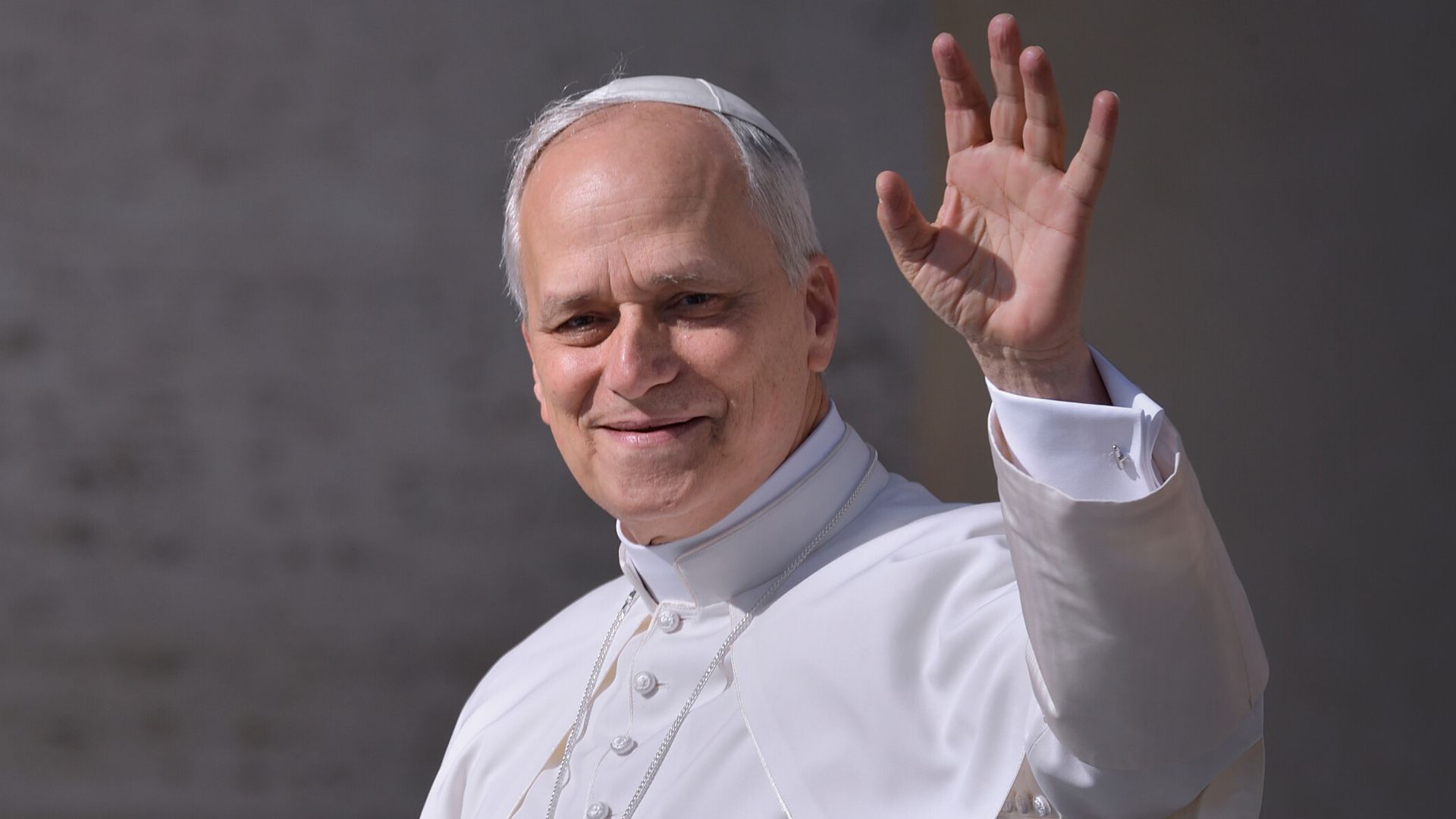
Whenever a pontiff checks into Rome's Gemelli Hospital, the global media descends into a predictable frenzy of breathless speculation, frantic medical updates, and existential hand-wringing. The recent headlines regarding Pope Leo checking into Gemelli followed this tired script down to the last comma. Journalists love a dramatic hospital vignette. It gives them an excuse to dust off historical papal health crises, consult anonymous sources inside the Vatican walls, and treat a routine octogenarian medical check-in like a geopolitical earthquake.
This knee-jerk coverage completely misunderstands how modern sovereign longevity and institutional bureaucracy actually function.
Let us strip away the sensationalism. The lazy consensus of the press is that every medical intervention for a supreme pontiff signals an impending crisis of succession or a sudden systemic failure of the Vatican apparatus. That is amateur analysis. In reality, the Holy See operates as an ancient, hyper-resilient multinational bureaucracy with institutional memory stretching back millennia. A hospital admission is not an emergency beacon; it is standard maintenance for an aging executive managing the most demanding public-facing job on earth.
The Myth of the Vulnerable Monarchy
We need to stop treating the papacy like a fragile corporate startup whose stock plummets the moment the CEO coughs. The modern media loves to frame papal health through a lens of acute vulnerability. If the pontiff catches a cold or requires diagnostic imaging at Gemelli, commentators immediately pivot to conclave rumors and transition strategies.
This perspective ignores structural reality. The Vatican does not grind to a halt because its principal administrator spends a few days receiving intravenous antibiotics or undergoing scheduled monitoring. The Secretariat of State, the Roman Curia, and the vast network of global dioceses run on codified canon law, established diplomatic protocols, and decentralized administrative machinery.
When a CEO of a Fortune 500 company enters a medical facility, shareholders panic because modern corporations are often cults of personality tethered to a single individual's immediate operational output. The papacy is the exact opposite. It is an enduring corporation sole where the office completely dwarfs the occupant. Expecting a systemic collapse every time a pope checks in for observation reveals a fundamental ignorance of how ecclesiastical power is institutionalized.
Medical Transparency Versus Papal Privacy
Another persistent delusion in contemporary reporting is the demand for absolute, real-time medical transparency. Reporters act aggrieved when Vatican press offices issue measured, diplomatic health bulletins instead of minute-by-minute vital sign readouts.
Let us be entirely honest about why the Vatican guards medical details. A pope is not just a head of state; he is a universal spiritual father to over a billion people. Public medical updates are inherently political currency. If every minor fluctuation in blood pressure or respiratory function is broadcast live, financial markets, political actors, and internal ecclesiastical factions immediately weaponize those numbers.
Total transparency in this context is not honesty; it is destabilization. The Vatican's measured cadence during hospital stays is a masterclass in risk management. They understand that feeding the 24-hour news cycle only accelerates panic and fuels conspiracy theories. By controlling the flow of information, the institution protects its own stability against the predatory instincts of modern media.
The Gemelli Institution As Strategic Infrastructure
We must also examine Gemelli Hospital itself, which has effectively become the unofficial medical annex of the Vatican. Media coverage often frames Gemelli as an unfamiliar battleground where popes go to fight off declining health. That view is historically illiterate.
Gemelli is where modern popes go because the facility is specifically engineered for this exact intersection of high-stakes medicine and sovereign security. Since the pontificate of John Paul II, Gemelli has maintained dedicated suites designed to accommodate papal staff, security details, and confidential communications equipment. It is not an escape from Rome; it is an extension of Vatican infrastructure operating under medical sterility.
When a headline screams about a sudden admission, it frames the hospital as a place of last resort. For the Vatican, Gemelli is simply an upgraded office with better diagnostic hardware.
Dismantling The Succession Obsession
The ultimate flaw in standard reporting is the obsessive rush toward succession narratives. The moment a pope's stretcher crosses the threshold of Gemelli, pundits begin handicapping cardinals like they are drafting fantasy football rosters.
This behavior treats the church like a decaying empire waiting for the inevitable partition. It ignores the fact that popes have managed chronic health issues, surgeries, and extended convalescences for centuries while continuing to govern effectively. John Paul II famously joked from his hospital window that he was still alive, despite the media's best efforts to bury him prematurely.
Stop reading crisis into routine care. The health of a pontiff is a private administrative matter wrapped in intense public theater, and the media falls for the theater every single time.
Next time the sirens echo through Rome and the bulletins start rolling in, ignore the doomsday prognostications. The machinery of the Holy See does not break down in a hospital room. It outlasts everyone in the press corps, and it will keep running long after the current headlines turn to dust.