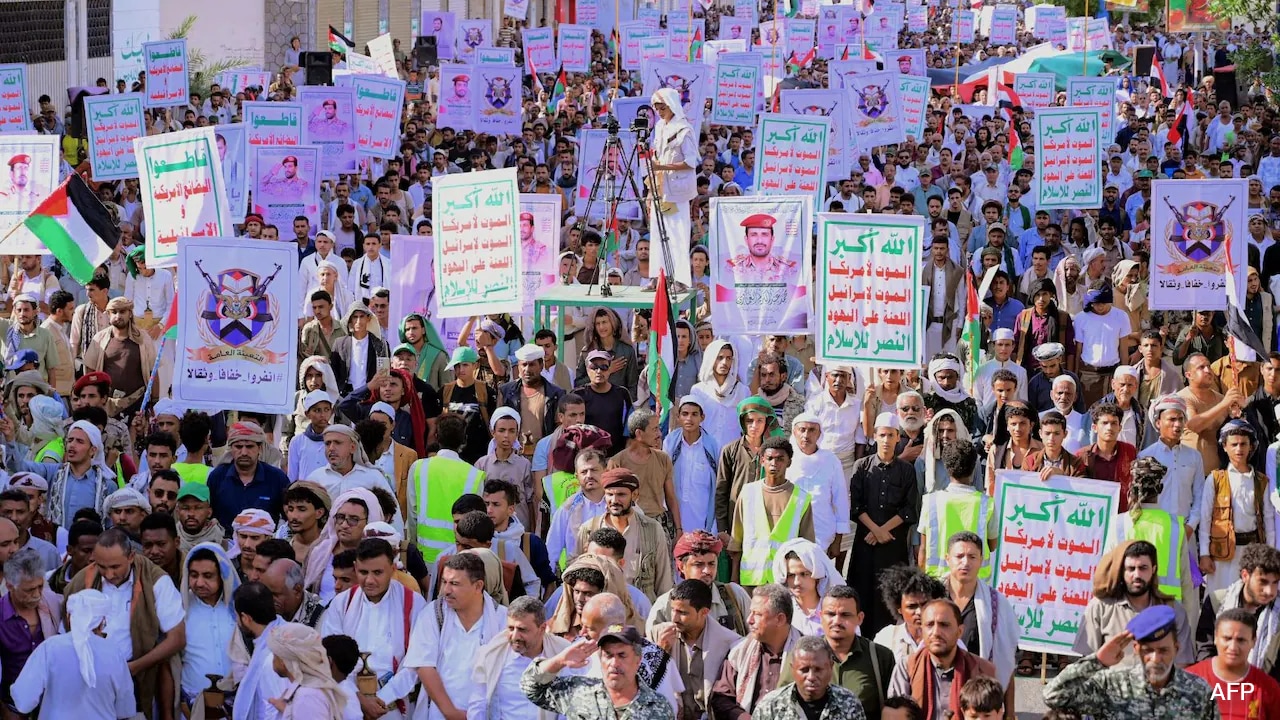
When Saudi officials accused Houthi forces of firing a drone toward Mecca in September 2026, most analysts expected a predictable exchange of military denials and diplomatic warnings. Instead, Houthi leaders flipped the script with an argument nobody saw coming: they dragged Jeffrey Epstein into the fight over who truly respects Islam.
Let's be honest about why that move landed with such shock value. Mecca isn't just another city on a map. Over 1.7 million Muslims performed the Hajj there in 2026, and Saudi Arabia has built decades of religious legitimacy around guarding the Two Holy Mosques. Accusing the Houthis of aiming a drone at Mecca hits a massive nerve across the Muslim world. Rather than staying stuck on the defensive, Houthi figures pointed to revelations tied to the Epstein files and accused Saudi leadership of moral hypocrisy, with Houthi president Mahdi al-Mashat asking who was really disrespecting Mecca when pieces of the Kaaba's cover were allegedly given to a disgraced American financier.
That clash shows how modern regional conflicts aren't fought only with missiles, drones, and air defenses. They're fought through viral clips, speeches, and competing claims to religious authority.
How the Mecca Drone Accusation Escalated Fast
In mid-September 2026, Saudi-led coalition spokesperson Colonel Turki Al-Malki stated that a drone launched toward Mecca had been intercepted before entering restricted airspace. Riyadh called the security of the holy sites and pilgrims a "red line" and warned of deterrent action.
Houthi military spokesperson Yahya Saree pushed back immediately, calling the claim false and insisting their operations targeted military sites and oil facilities far from holy ground. Iranian Foreign Ministry spokesperson Esmaeil Baghaei echoed that skepticism, arguing that a claim of intercepting a drone doesn't prove who sent it.
Watching this unfold alongside earlier friction—including the 2017 dispute over a missile launch where Riyadh alleged Mecca was targeted and the Houthis said their aim was the King Fahd air base in Taif—you can see why the stakes felt so high. International relations scholar Fawaz Gerges noted to TIME that intentionally attacking Mecca would be a "lose-lose" disaster for a movement trying to build religious credibility, raising questions about whether a drone misfired or whether Riyadh was framing the threat to rally Muslim public opinion. Even Pakistani Prime Minister Shehbaz Sharif condemned the alleged strike while urging restraint and diplomacy as regional tensions flared.
Turning Epstein Files Into a Religious Counter-Punch
A military denial alone rarely wins an information war once a sacred site enters the headline. That's where the Epstein angle came in.
By late October 2026, reporting from The New York Times and other outlets highlighted how Houthi messaging tied details from released Epstein records to broader critiques of Saudi leadership and Western-aligned elites. Houthi officials framed the controversy as proof of corruption and moral compromise among rulers who claim to champion Islam.
It's a classic propaganda pivot, and honestly a pretty calculated one. When a group faces accusations of threatening Islam's holiest city, attacking the accuser's religious credentials is the fastest way to muddy the waters. Instead of arguing drone trajectories or radar tracks, the counter-narrative asks audiences to judge character and symbolism.
What Critics and Analysts Miss About the Narrative
If you spend enough time tracking Middle East information campaigns, one mistake jumps out right away: taking wartime rhetoric at face value.
Propaganda doesn't need to be airtight to be effective. It just needs an emotional hook that fits existing grievances. For years, the conflict in Yemen has caused immense civilian suffering—with the World Health Organization reporting nearly 1,600 deaths during renewed escalation in the fall of 2026 alongside strikes hitting Saudi energy and aviation infrastructure. When people already feel anger over war, economic strain, or foreign alignment, a sharp counter-accusation sticks much faster.
At the same time, listeners should look closely at what's verified versus what's rhetorical framing. Calling out an adversary's alleged hypocrisy isn't the same thing as proving what happened with a drone over western Saudi Arabia. And conversely, a military interception claim still leaves room for debate over intent, navigation errors, or political messaging.
Riyadh mostly avoided getting pulled into a public mudslinging match over the Epstein claims, relying instead on quiet diplomatic channels and military deterrence. Sometimes ignoring bait is smart strategy—you don't hand an opponent's talking points extra oxygen. Other times, silence leaves a vacuum online where loud, emotional clips fill the space.
How to Read Conflicting Wartime Claims Smartly
When fast-moving stories mix sacred symbols, geopolitical rivalries, and viral scandals, a few habits keep you grounded:
- Separate the claim from the proof: Check who is making the accusation, what evidence they actually present, and who benefits if you believe it.
- Watch the timing: Notice when a new narrative pops up—often right after a military clash, a diplomatic meeting, or a major news cycle shift.
- Cross-check across independent outlets: Compare reporting from multiple credible newsrooms and regional analysts rather than relying on a single social media clip or statement.
- Keep the bigger picture in view: Track how broader regional pressures—like Red Sea shipping risks, wider Iran-related conflict, and Yemen's humanitarian toll—shape what each side says next.
Conflict narratives thrive on outrage and certainty. Keeping a cool head and demanding receipts is the best way not to get played by either side.
Houthis Weaponise Epstein Files In Escalating War Of Propaganda
This video covers how Houthi forces have incorporated Jeffrey Epstein allegations into their broader messaging campaign against Saudi Arabia amid escalating regional tensions.