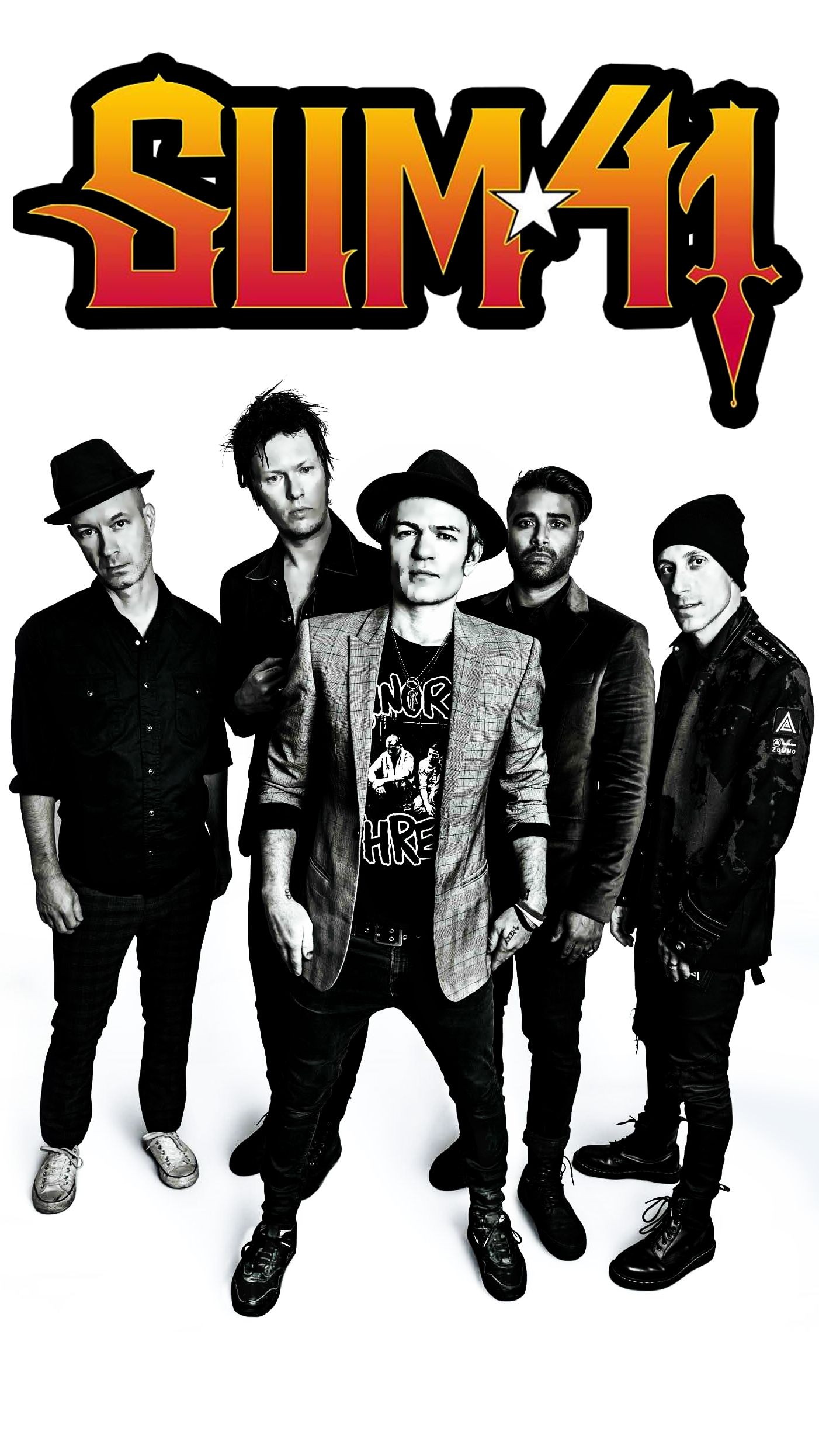
Sum 41 wasn't supposed to be a metal band. In 2002, they were the "Skumfuks" from Ajax, Ontario, the kids who made All Killer No Filler and peed in poolside drinks for music videos. But then came Sum 41 What We’re All About, a song that basically served as a glitch in the Matrix for pop-punk history. It wasn't just a single; it was a bizarre, high-energy collision between a Spider-Man blockbuster, a Slayer riff, and a rap-rock obsession that defined an entire era of MTV culture.
If you grew up with a PlayStation 2 and a baggy pair of Dickies, you know this track. It’s the one that plays over the credits of Sam Raimi’s Spider-Man. It’s the song where Deryck Whibley tries to rap and somehow, against all laws of musical physics, pulls it off. But looking back now, "What We’re All About" represents more than just a soundtrack tie-in. It was the first real sign that Sum 41 was bored with being "just" a punk band.
The Kerry King Factor and the Spidey Connection
Most people forget that "What We’re All About" is actually a reworked version of a song from their 2000 EP, Half Hour of Power. The original was a lo-fi, fun-as-hell garage track. But for the Spider-Man soundtrack, they went bigger. They brought in Kerry King. Yes, the Kerry King from Slayer.
That solo at the end? That’s not Dave Baksh trying to sound like a thrash god; that’s an actual thrash god descending from the heavens to shred over a song about "doing it for the kids." It’s an absurd juxtaposition. Honestly, it’s kind of brilliant. You have this bubblegum-adjacent rap-rock verse followed by a bridge that sounds like it’s ripping a hole through the fabric of reality.
When you watch the music video, it’s peak 2002. They’re performing on a ceiling. They’re referencing the Peter Parker "upside-down kiss" scene, but with a lot more snot-nosed energy. It felt like the band was winking at us. They knew they were in a massive corporate movie, and they decided to make it as loud and obnoxious as possible.
Why the Genre-Blending Actually Worked
At the time, nu-metal was king. Linkin Park and Limp Bizkit were dominating the airwaves, and every band felt the pressure to incorporate "urban" influences. Sum 41, however, did it with a specific Canadian irreverence. Deryck’s delivery on Sum 41 What We’re All About isn't trying to be "street." It’s suburban. It’s the sound of a kid who stayed up late watching Headbangers Ball and Beastie Boys videos.
The lyrics are... well, they’re 2002 lyrics. "It's not about the money, the fame, or the fortune." It’s a cliché, sure. But for a generation of kids who felt alienated by the polished pop of the 90s, hearing a guy scream about "it's about the kids who are down for the cause" felt like a call to arms. It was the ultimate "us vs. them" anthem for the skate park crowd.
The Technical Evolution
Musically, the song is a fascinating transition point. If you listen to their later work like Does This Look Infected? or the heavy-as-lead Chuck, you can hear the seeds being sown right here.
- The syncopated drumming from Stevo32.
- The palm-muted chugging that shifted away from the "standard" pop-punk power chords.
- The willingness to embrace heavy metal aesthetics without losing the catchy hook.
Most bands would have played it safe for a Marvel movie. They would have written a power ballad. Instead, Sum 41 gave the world a track that featured a thrash metal legend and a bridge that encourages people to lose their minds.
What People Get Wrong About the Legacy
A lot of critics at the time dismissed it as a "sell-out" moment. They saw the Spider-Man logo and assumed the band had lost their edge. But if you look at the trajectory of Sum 41, this was actually their most honest moment. They always wanted to be a metal band trapped in a punk band's body.
Kerry King didn't just show up for a paycheck. He showed up because he respected the technicality the band was bringing to the table. In an interview years later, Dave "Brownsound" Baksh admitted that having Kerry in the studio was one of the most intimidating and validating moments of their early career. It gave them permission to go heavy. Without the success of Sum 41 What We’re All About, we might never have gotten songs like "The Hell Song" or "We're All To Blame."
The Spider-Man Effect
We have to talk about the impact of the soundtrack itself. In 2002, movie soundtracks were the primary way kids discovered new music. You had Nickelback’s "Hero," Macy Gray, and Sum 41 all on the same disc. It was a chaotic mess of genres that somehow reflected the chaotic energy of the early internet era.
For many fans, this song was the entry point. It wasn't "Fat Lip." It was the Spidey song. And that’s a heavy burden for a track to carry. It had to represent the band to millions of people who had never stepped foot in a Warped Tour crowd. It succeeded because it didn't take itself too seriously.
Why It Still Slaps in 2026
Nostalgia is a hell of a drug, but this song holds up for reasons beyond just "remembering the 2000s." The production is crisp. The energy is undeniable. And in an age where music feels increasingly "vibey" and atmospheric, there’s something refreshing about a song that just punches you in the face with a riff and a scream.
It reminds us of a time when rock music was allowed to be fun, stupid, and technically impressive all at once. It wasn't about being cool; it was about the "What We’re All About" philosophy—which, according to the lyrics, is basically just being yourself and not caring about the critics.
Actionable Takeaways for the Modern Listener
If you’re revisiting this era of Sum 41, don't just stop at the hits. To truly understand the DNA of this track, you need to dig into the influences that made it possible.
- Listen to the original version: Find the Half Hour of Power version of "What We're All About." It’s faster, rawer, and shows the band's hardcore punk roots before the big-budget polish.
- Check out the Kerry King connection: Listen to Slayer's God Hates Us All (released around the same time) to hear the specific "nu-metal-meets-thrash" tone that Kerry brought to the Sum 41 session.
- Watch the "Motivation" video: If you want to see the band at their peak physical comedy/high-energy state, watch it right after the Spidey video. It highlights the contrast between their DIY roots and their mainstream explosion.
- Analyze the bridge: Pay attention to the shift in time signature and the layering of the guitars. It’s more complex than the average "Spider-Man" song has any right to be.
The song is a time capsule. It’s a messy, loud, shred-heavy reminder that Sum 41 was always a little bit better, a little bit heavier, and a lot weirder than the "pop-punk" label ever allowed them to be. They weren't just about the jokes; they were about the music. And "What We’re All About" was the loud, distorted proof.
How to Support the Band Today
Sum 41 recently wrapped up their "Tour of the Setting Sum," marking the end of an era for the group. If you want to dive deeper into their evolution:
- Pick up Heaven :x: Hell: Their final double album perfectly encapsulates the "What We're All About" spirit—one half is high-energy pop-punk (Heaven), and the other half is the heavy metal they always loved (Hell).
- Follow Dave Baksh's side projects: If the guitar work on "What We're All About" was your favorite part, Dave’s work in Brown Brigade explores those heavy influences even further.
- Spin the Spider-Man (2002) Soundtrack on Vinyl: It has become a collector's item and remains one of the best snapshots of early 2000s alternative culture.