The Price of Heritage
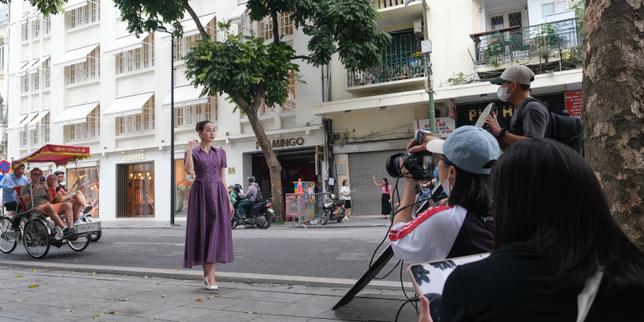
Global luxury brands are poured into Trang Tien street like concrete into a foundation. The French colonial facades shine with fresh paint. High-end watchmakers and European fashion houses occupy ground-floor retail spaces that command rents rivaling those in Tokyo or Singapore. Yet, behind the gleaming window displays lies a stark economic disconnect. Hanoi wants to transform this historic corridor into Southeast Asia’s version of the Avenue Montaigne, but the realities of local infrastructure, wealth distribution, and consumer behavior are pulling the brakes on that dream.
International brands rush into Vietnam because the macroeconomic indicators look flawless. A rising middle class, steady GDP growth, and a young demographic make the country a prime target for expansion. However, treating Hanoi as a copy of Paris or Hong Kong ignores how wealth actually moves through the Vietnamese capital. Don't miss our earlier article on this related article.
Trang Tien is a short, heavily congested artery. It connects the iconic Opera House with the Hoan Kiem Lake district. It is beautiful, historic, and fundamentally ill-suited for the modern luxury ecosystem.
The Infrastructure Bottleneck
Luxury retail relies on a specific kind of consumer experience. It requires discretion, accessibility, and space. Trang Tien provides none of these. To read more about the background of this, The Motley Fool provides an excellent summary.
A billionaire looking to spend forty thousand dollars on a handbag does not want to dodge motorbikes on a narrow sidewalk. They do not want to struggle to find a parking spot for their vehicle in a district that routinely bans motorized traffic on weekends to create pedestrian zones. In Western capitals, luxury districts are designed around chauffeur drop-offs and subterranean parking garages. In Hanoi, the infrastructure is old. The sidewalks are uneven. The tropical heat is unforgiving for most of the year.
The physical constraints of the buildings themselves present a massive hurdle. Most properties on Trang Tien are heritage sites or state-owned buildings retrofitted for commercial use.
- Low ceilings prevent the dramatic, multi-story installations that brands use to project power.
- Narrow floor plans limit the inventory a store can display, forcing high-net-worth individuals to shop abroad for the best selection.
- Strict preservation laws mean brands cannot alter facades to match their latest global architectural identities.
These limitations turn what should be flagship stores into glorified showrooms. Wealthy Vietnamese consumers frequently visit these boutiques to try on items, check sizing, and then catch a flight to Singapore, Bangkok, or Paris to make the actual purchase. By buying abroad, they access better tax refunds, wider product ranges, and a superior level of customer service that local operations cannot yet match.
The Grey Market and the Trust Deficit
Domestic luxury consumption in Vietnam faces a cultural hurdle that rent checks cannot solve. Trust is a rare commodity in the local retail market.
For decades, the Vietnamese market has been flooded with high-quality counterfeit goods and parallel imports known as "hand-carried" items. These goods are smuggled in by flight attendants, students, and frequent travelers who bypass import duties to sell luxury items at a discount through social media networks. This parallel market is highly organized. It satisfies a massive portion of the domestic demand for high fashion.
When a legitimate boutique opens on Trang Tien, it must price its goods significantly higher than the parallel market to cover Vietnam’s steep import tariffs and luxury taxes. A consumer looking at a jacket will see a 20% to 30% markup compared to what they could find through a trusted grey-market broker or during a shopping trip to Europe.
Even when the price is not an issue, the suspicion remains. Wealthy shoppers routinely express skepticism about whether the stock allocated to emerging markets like Hanoi is of the same quality as the stock sent to London or New York. This trust deficit cannot be cured by putting a security guard in a suit outside a door. It requires years of flawless execution, exclusive product allocations, and VIP experiences that make the brick-and-mortar markup feel justified.
The Divergent Retail Strategies
While Trang Tien attempts to cultivate an old-world European charm, a rival retail model is quietly winning the battle for luxury dollars.
Modern, air-conditioned mega-malls are popping up outside the historic center. These developments offer sprawling footprints, underground parking, and integrated dining and entertainment options. They shield shoppers from the chaotic traffic and the humidity. For many brands, the choice between a cramped historic building on Trang Tien and a massive, custom-built space in a new commercial district is becoming an easy one.
Luxury Retail Environment Comparison
+-------------------------+-------------------------+-------------------------+
| Feature                 | Trang Tien Street       | Suburban Mega-Malls     |
+-------------------------+-------------------------+-------------------------+
| Parking & Access        | Poor, frequent closures | Excellent, valet options|
| Spatial Flexibility    | Restricted by heritage  | High, custom builds     |
| Climate Control         | Street-to-store heat    | Fully air-conditioned   |
| Consumer Discretion     | Low, public exposure    | High, private VIP areas |
+-------------------------+-------------------------+-------------------------+
This divide splits the luxury market into two camps. The historic center attracts tourist foot traffic and aspirational shoppers who buy entry-level products like perfumes, eyewear, and cosmetics. The serious revenue—the haute couture, the limited-edition timepieces, the fine jewelry—is increasingly migrating to private salons and modern developments where the ultra-wealthy can shop away from the public eye.
Capital Flight and the Sophisticated Shopper
The assumption that local wealth automatically translates into local retail sales is a fundamental miscalculation. The Vietnamese elite are among the most traveled demographics in the country's history. They understand global pricing structures perfectly. They know exactly when the sales happen in Milan. They know which boutiques in Paris offer the best champagne to their clients.
To capture this capital, local operators must offer something beyond the product itself. They need to provide access. This means bringing top-tier designers to Hanoi for private runway shows, offering bespoke tailoring services that are usually reserved for European flagships, and securing allocations of highly coveted, collectible pieces.
Currently, global brands treat Vietnam as a tier-two or tier-three market. The most desirable items rarely make it to the shelves of Trang Tien. Until a local boutique can offer the exact same rare handbag that is sitting in a window on the Rue du Faubourg Saint-Honoré, the true connoisseurs will keep their credit cards in their pockets until they land at Charles de Gaulle.
The ambition to turn Trang Tien into a world-class luxury avenue is not entirely misplaced, but it is ahead of its time. Retail prestige cannot be manifested through high rents and luxury logos alone. It requires an entire ecosystem of supporting infrastructure, a shift in domestic shopping habits, and a level of brand commitment that views Hanoi not just as a growing market, but as a cultural peer. Until those pieces fall into place, the street remains a beautiful facade, a postcard of a luxury capital that exists mainly in the marketing brochures.