Washington wants to point fingers. New Delhi needs to demand receipts.
Trade disputes rarely stay clean. When major economies clash over supply chains, accusations fly fast and loose. Recently, the Global Trade Research Initiative pointed out a glaring weak spot in how international trade accusations work. American trade officials keep whispering or implying that Chinese goods sneak into Western markets by taking a detour through India. They claim products get slapped with a fresh label or minor assembly tweaks just to dodge strict tariffs.
It is a serious charge. It threatens trade trust. Worst of all, it risks drawing unnecessary scrutiny onto Indian exporters who play by the rules.
If US policymakers want to throw accusations around, they need to back them up with actual data. Blind claims do not work anymore. India should look Washington in the eye and ask for hard proof.
The Reality of Modern Supply Chains
Modern manufacturing is messy. Nothing is made in just one place. Your smartphone has components sourced from half a dozen nations before final assembly. Because global supply chains are deeply tangled, separating pure national origin is a logistical nightmare.
Critics assume that any surge in Indian exports to the US of a product India also imports from China must be a backdoor operation. That logic is lazy. It ignores domestic manufacturing growth. It ignores actual industrial upgrading happening on the ground in states like Tamil Nadu, Gujarat, and Uttar Pradesh.
When domestic factories scale up production, they import raw inputs or intermediate parts. That is how manufacturing works. You buy components, you assemble them, and you sell the finished product. Calling every instance of this pattern a transshipment scam is disingenuous.
Let us look at how the numbers actually function.
- Raw material imports rise to feed local assembly lines.
- Finished goods head out to lucrative Western markets.
- Local value addition increases employment and technological capability.
If US agencies spot suspicious activity, naming specific entities helps. General smears hurt everyone. Vague warnings create regulatory chills. They make banks nervous about financing legitimate trade. They give protectionist lobbies an easy excuse to push for restrictive trade barriers.
What the GTRI Warning Actually Means
The Global Trade Research Initiative does not pull punches. Their analysts watch trade flows closely. When they suggest that New Delhi push back, they are spotting a defensive play.
India cannot afford to sit back and absorb reputational damage. The economic relationship between New Delhi and Washington matters too much to let unfounded rumors fester. If US authorities possess intelligence regarding specific bad actors bypassing customs laws, those details belong on the table.
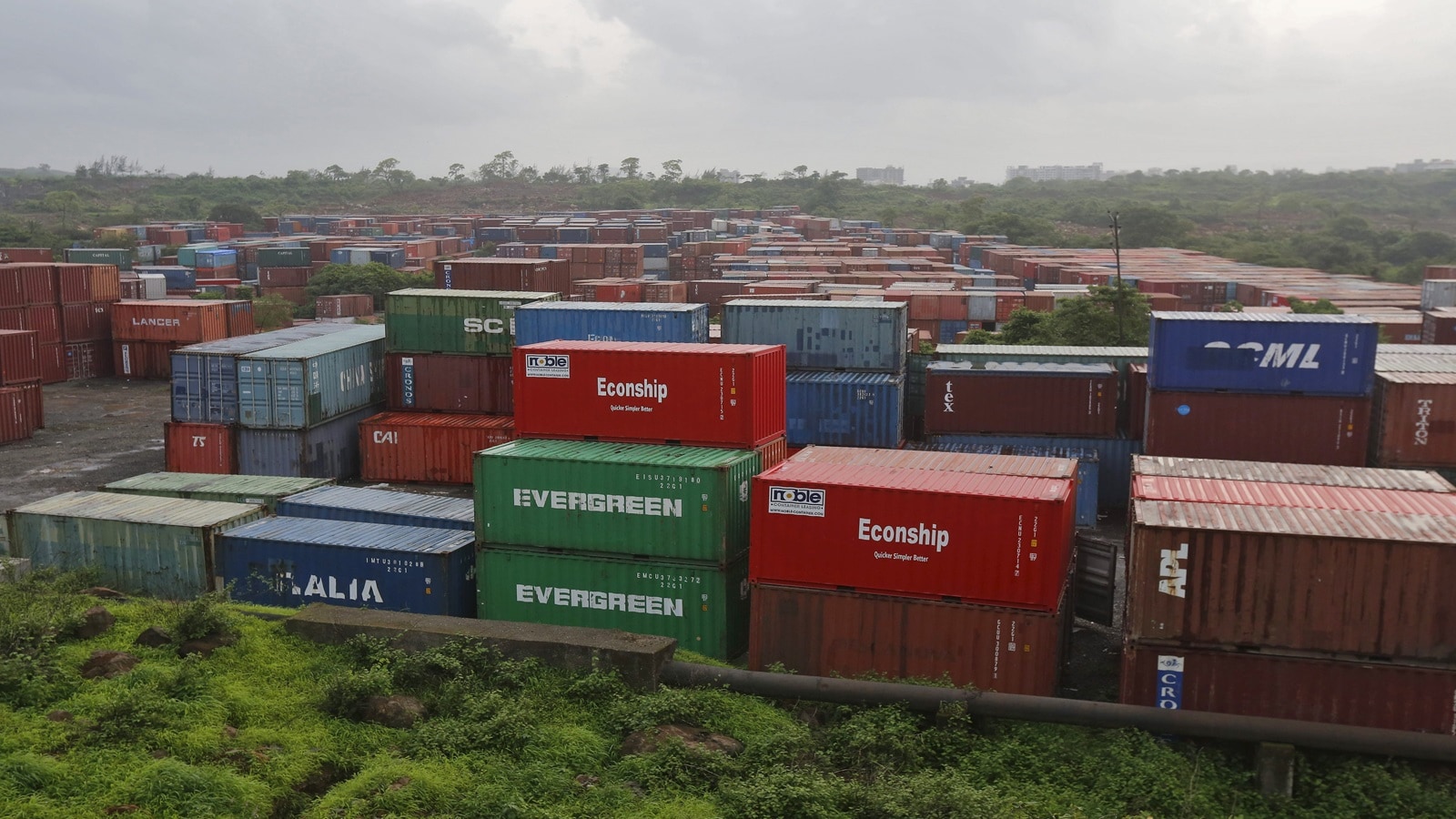
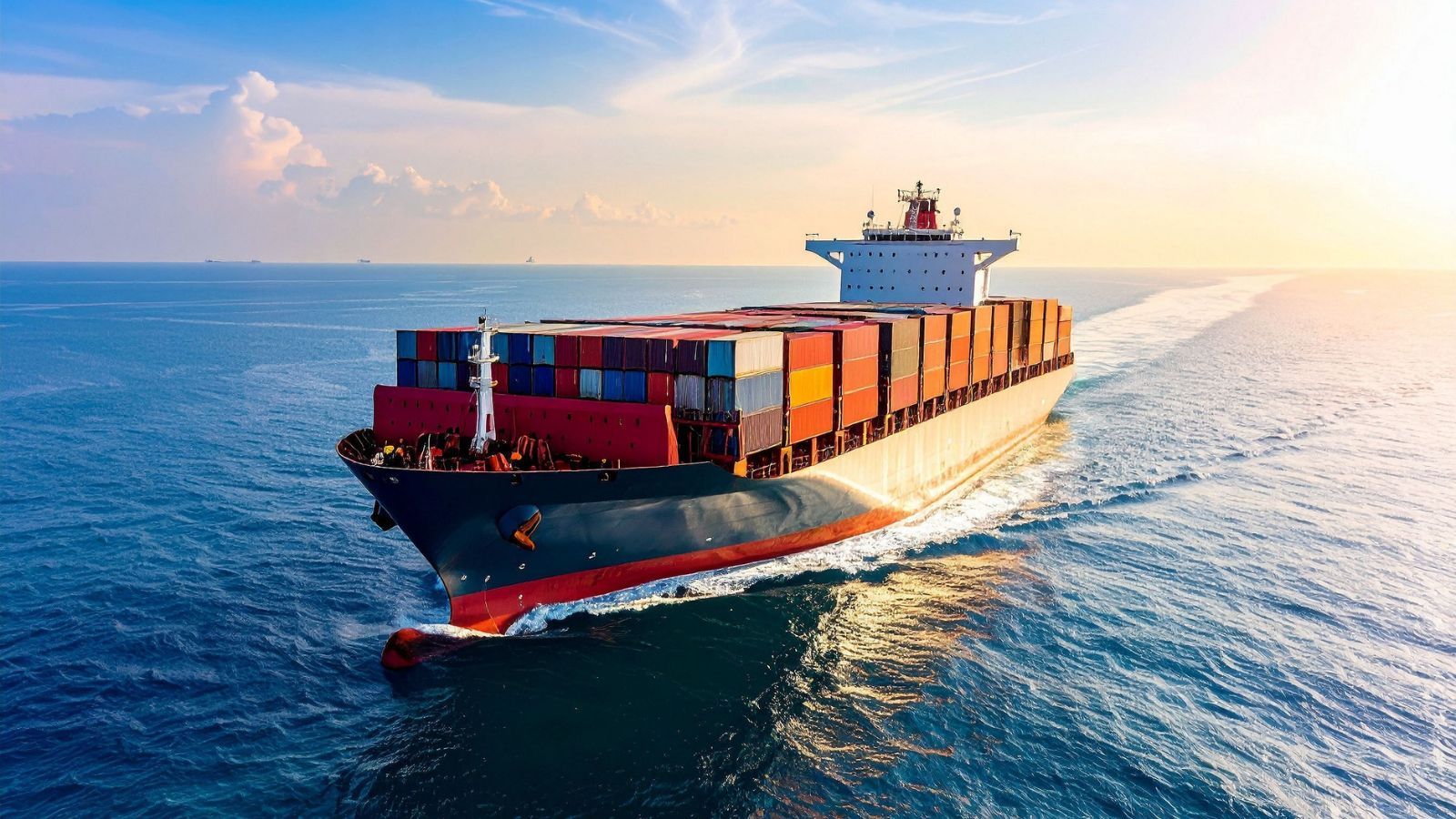
Transparency cuts both ways. International trade agreements include mechanisms for joint investigations and data sharing. If cargo is moving improperly through designated ports, customs databases will show it. Bill of lading records exist. Container tracking numbers exist.
Instead of leaking concerns to trade publications, Washington should file formal inquiries or share intelligence through established diplomatic channels. If they cannot provide proof, the narrative needs to shift immediately.
The Danger of Regulatory Overreach
Protectionism wears many masks. Sometimes it looks like a tariff hike. Other times it looks like a whispering campaign about supply chain evasion.
When foreign regulators raise doubts about origin rules, local industries suffer. Compliance costs skyrocket. Exporters spend months dealing with bureaucratic audits that drain resources. Honest businesses pay the price for sins they never committed.
You see this playbook repeatedly in global trade politics. When a domestic industry struggles to compete with efficient foreign alternatives, complaints about unfair practices follow close behind. It is easier to cry foul than to upgrade domestic infrastructure.
India has spent years positioning itself as a reliable alternative manufacturing hub. Companies looking to diversify away from heavy reliance on a single nation want stability. They want predictability. Unsubverted claims of Chinese routing undermine that pitch.
How Indian Exporters Should Respond
If you run a manufacturing or export business right now, you cannot afford to ignore these cross-border tensions. Supply chain traceability is your best defense.
You need to audit your documentation rigorously. Keep pristine records of your bill of materials. Prove local value addition down to the last percentage point. When customs authorities come knocking, clear paperwork stops trouble before it starts.
- Trace every single component back to its true tier-two and tier-three suppliers.
- Maintain clear digital ledgers for all manufacturing stages.
- Consult with specialized customs lawyers who understand changing US trade enforcement priorities.
Compliance is not just a box-checking exercise anymore. It is your primary shield against geopolitical crossfire.
The Path Forward for Trade Diplomacy
Diplomacy requires firmness. India holds a strong hand. The partnership between the two nations is vital for regional security and economic balance. That partnership deserves honesty, not backroom insinuations.
Trade ministers in New Delhi should demand clarity. If specific bad actors are caught gaming the system, prosecute them. Close the loopholes. But do not let broad-brush allegations taint an entire industrial sector.
Demand the evidence. Inspect the cargo manifests. Share the data.
Until Washington brings concrete proof to the table, treat the rumors for what they are. Noise. Focus on building better factories, tighter supply chains, and undeniable product quality. Let the output speak for itself.