Geopolitics rarely shifts because of a single dramatic speech. Instead, it moves quietly on spreadsheets, freight rates, and quiet pressure from Washington.
For years, Indian refiners kept global energy markets stable by absorbing discounted Russian crude. That era is winding down faster than most analysts predicted. Facing intense tariff threats from the United States alongside soaring freight costs, Indian buyers are pivoting back to traditional suppliers in the Persian Gulf.
This isn't just about diplomatic compliance. It comes down to cold, hard math.
The Math Behind the Pivot
When Western sanctions first redrew the energy map, Russian barrels offered unmatched margins. Refiners in Gujarat and across the coast grabbed cheap Urals, turning them into refined products for global export.
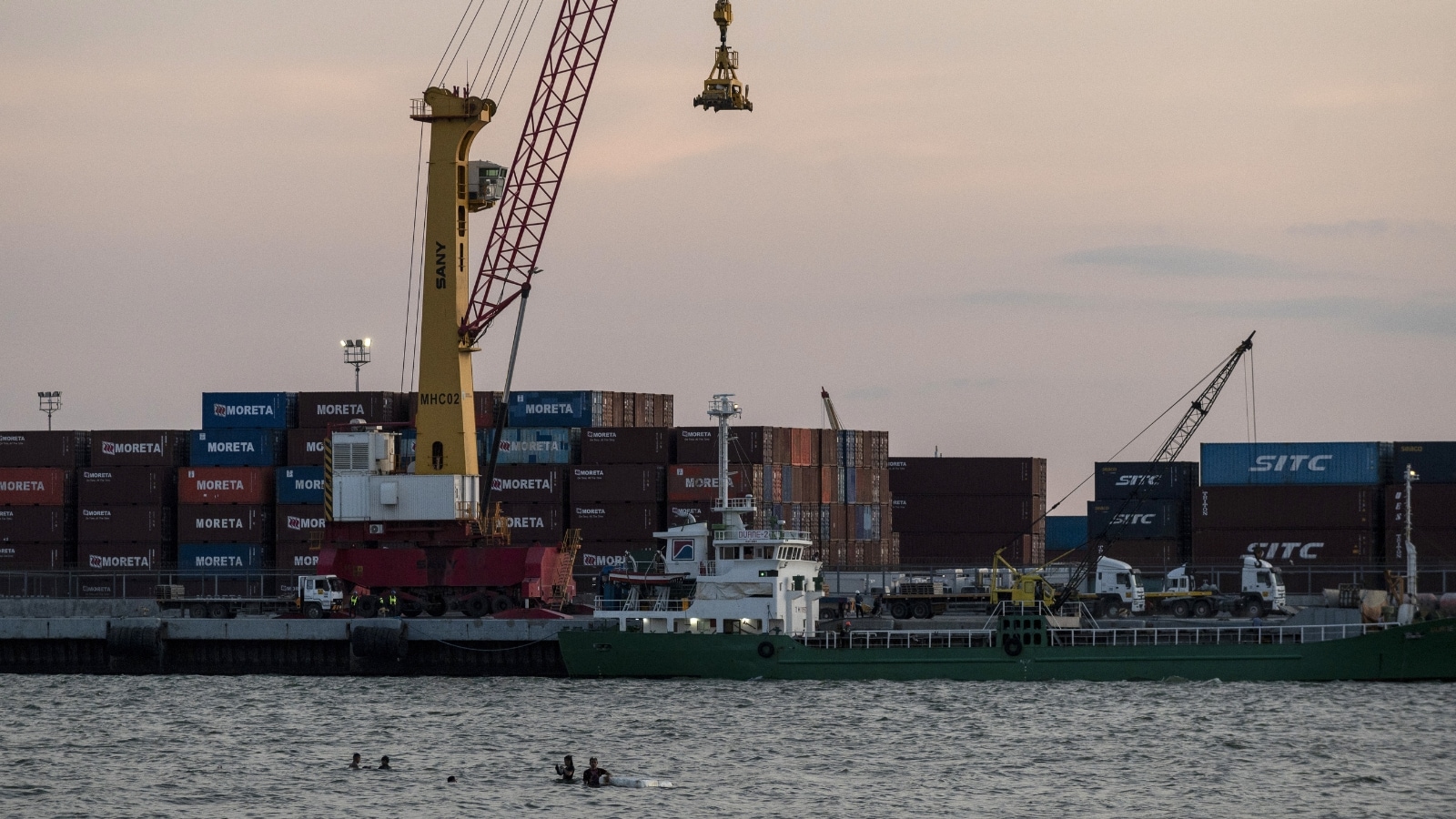
The economics have flipped completely. According to shipping analytics from Kpler, India's crude imports through the Strait of Hormuz hit 2.1 million barrels per day, outstripping imports from Russia. Why? Simple logistics.
- Freight Realities: Longer voyages and mounting insurance expenses for shadow-fleet tankers have eroded the discount Russian oil once provided.
- Gulf Competition: Middle Eastern producers adjusted their pricing strategies, offering reliable crude delivered through straightforward shipping lanes.
- Tariff Pressure: Washington's constant threat of secondary sanctions and steep tariffs turned what used to be a minor compliance headache into an executive-level risk for major Indian refiners.
When you factor in the rising cost of moving oil across thousands of miles of ocean, Russian crude simply stopped making financial sense.
What This Means for Global Energy Flows
Moscow built its post-2022 fiscal strategy around uninterrupted Asian demand. If the world's third-largest energy consumer steps back, Russia loses its primary price-setter.
At the same time, Persian Gulf suppliers are more than happy to reclaim their historical market share. Producers in the region are shipping crude at near pre-crisis rates, making it easier for Asian buyers to secure stable, predictable supplies without dealing with regulatory crosshairs.
The shift proves that economic gravity always wins in the end. Ideology and strategic partnerships matter, but corporate ledgers care about margins. As long as freight costs stay high and tariff threats loom, those tankers carrying Russian crude will find fewer and fewer ports willing to welcome them.
The energy trade routes are rewriting themselves yet again. Pay attention to the tanker tracking data, because the era of cheap, frictionless Russian oil imports is officially closing.
India's Russian Oil Purchases: West Gets Reality Check as Calls to Pressure New Delhi Face Pushback
This video provides additional context on how international pressure and domestic strategies are shaping India's evolving energy trade policies.