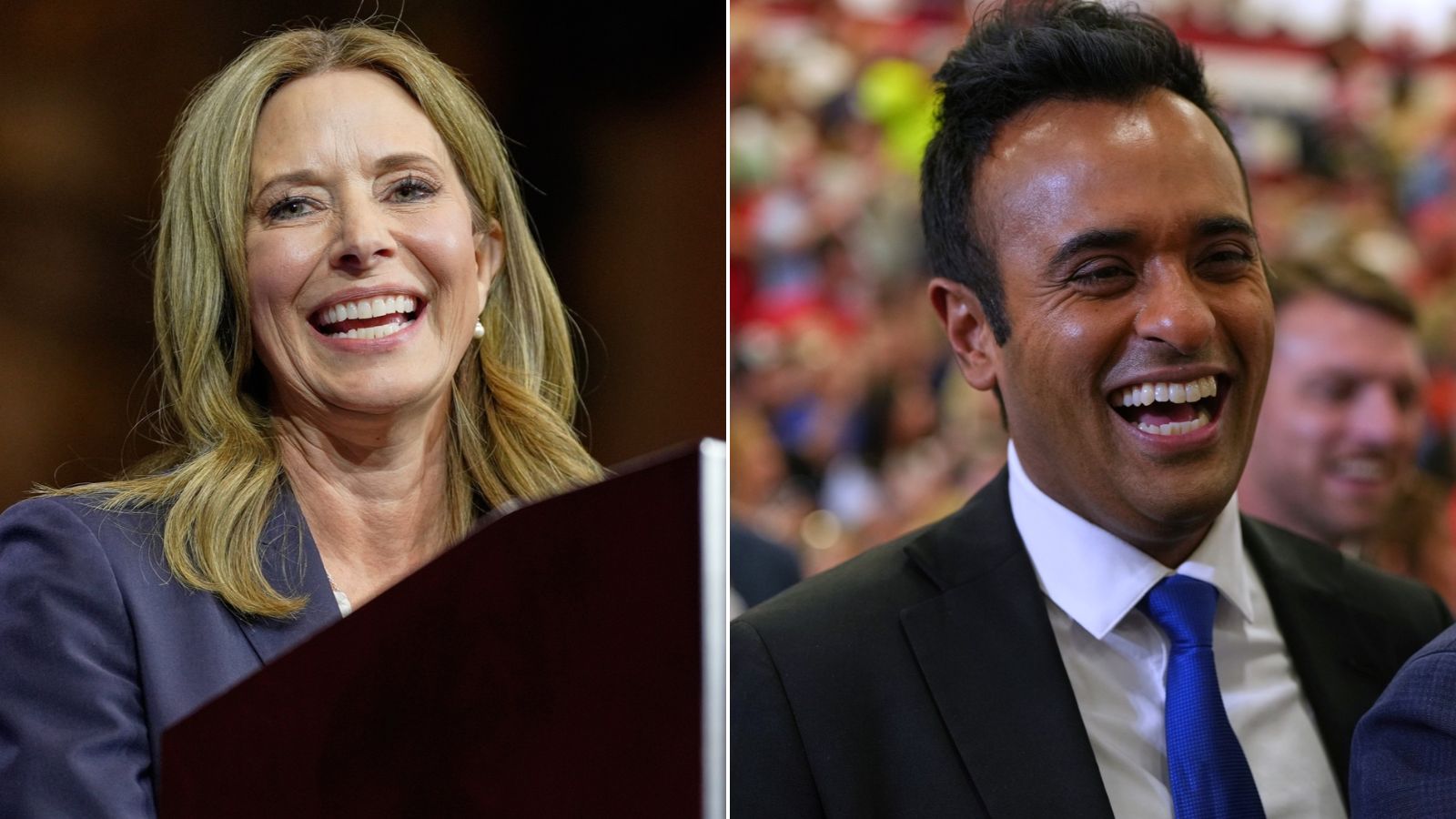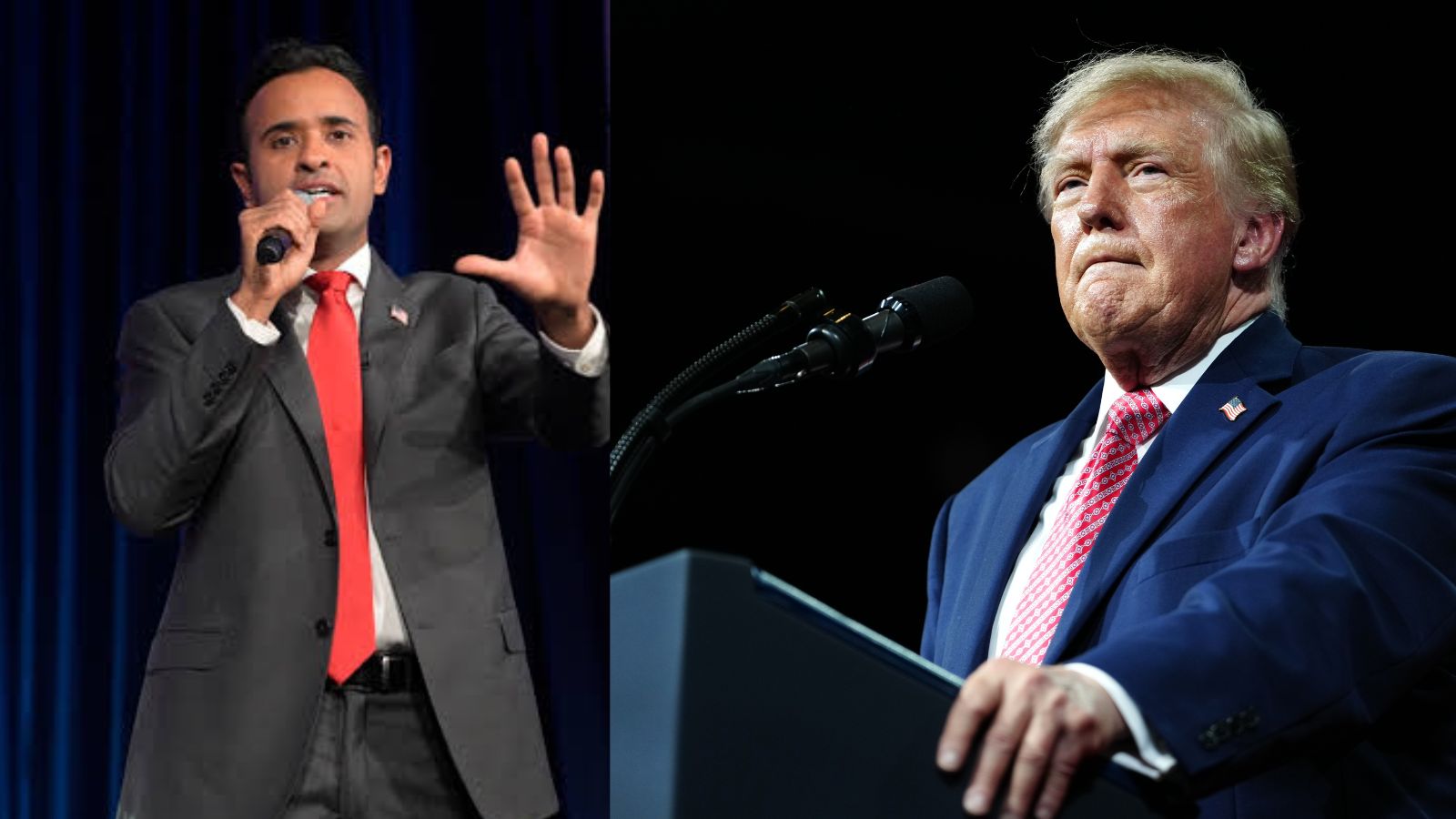
In the 2026 US midterm elections, Indian-American candidates posted major victories in congressional, statewide, and municipal races while suffering high-profile losses at the top of the ticket. Democratic contenders captured key House seats and city halls, including Amish Shah flipping Arizona's 1st Congressional District, Pia Dandiya winning in South Florida, and Nithya Raman defeating incumbent Karen Bass to become mayor of Los Angeles. At the same time, Republican Vivek Ramaswamy lost the Ohio governor's race to Democrat Amy Acton by more than 200,000 votes despite President Donald Trump's endorsement.
Look past the celebratory headlines and you see a sharper story. A single shared heritage no longer acts as a unified political brand. Candidates with Indian roots are winning or losing based on district math, ideological fit, and broader voter frustration rather than ethnic solidarity alone.
How the 2026 Midterms Reshaped Indian-American Power
For years, coverage of Indian-American candidates treated every ballot appearance as proof of a rising bloc. That framing grows thin in 2026. The community now numbers more than five million people in the United States, and its political footprint is wide enough that candidates compete across sharp ideological lines.
Some races even pit Indian Americans against one another. In California's 17th Congressional District, Democratic incumbent Ro Khanna defeated Republican challenger Ritesh Tandon to earn another term in Washington. In Washington's 7th Congressional District, Democratic incumbent Pramila Jayapal turned back Republican challenger Nirav Sheth to win her sixth term.
Those matchups show how much the political terrain has matured. Voters in San Jose and Seattle were not choosing between "representation" and "no representation." They were choosing between competing policy agendas, party coalitions, and governing styles.
Shared ancestry opens doors in fundraising and outreach, yet local district arithmetic and party waves still decide who holds power.
Another important shift appeared in local executive politics. Nithya Raman won the Los Angeles mayoralty after campaigning on housing, homelessness, and cost-of-living pressures. Her win places Indian-heritage mayors at the helm of two of America's largest cities, alongside Zohran Mamdani in New York. Municipal executives often face harsher day-to-day accountability than members of Congress, which makes urban leadership a stiffer test of governing credibility.
Winners Who Flipped Seats and Held Ground
The strongest performances in 2026 came from candidates who paired personal biographies with targeted local appeals. In Arizona's 1st Congressional District, physician and former state lawmaker Amish Shah won a seat that had long tested Democrats. Facing former NFL kicker Jay Feely, Shah leaned into healthcare access and prescription drug costs while emphasizing door-to-door campaigning after falling short in 2024 against then-incumbent David Schweikert.
In Florida's 22nd Congressional District, Pia Dandiya—a former teacher, principal, White House fellow, and public-sector specialist—won against Trump-endorsed businessman Casey Askar. Her campaign drew attention for reaching across party lines in Palm Beach County, showing that suburban swing appeal still matters even in polarized cycles.
State-level races also delivered notable gains. In Illinois, Democrat Nabeela Syed flipped a Republican-held state Senate seat in the northwestern Chicago suburbs, defeating Darby Hills with 57 percent of the vote. In Maryland, Aruna Miller secured another term as lieutenant governor alongside Governor Wes Moore, preserving statewide executive representation.
Incumbents largely held firm where district lines favored them. Ro Khanna, Pramila Jayapal, and Ami Bera all kept their seats in Congress, while Suhas Subramanyam secured re-election in Virginia's 10th Congressional District.
| Candidate | Office or District | Party | Result | Key Takeaway |
|---|---|---|---|---|
| Amish Shah | US House, AZ-01 | Democrat | Won (flipped seat) | Healthcare message and persistence after 2024 paid off |
| Pia Dandiya | US House, FL-22 | Democrat | Won | Cross-party outreach helped in a competitive South Florida seat |
| Nithya Raman | Mayor of Los Angeles | Democrat | Won | Cost of living, housing, and homelessness anchored her run |
| Nabeela Syed | Illinois Senate, Dist. 26 | Democrat | Won (flipped seat) | Suburban flip strengthened state-level bench |
| Aruna Miller | Lieutenant Governor, MD | Democrat | Won re-election | Maintained top-of-state executive presence with Wes Moore |
| Vivek Ramaswamy | Governor of Ohio | Republican | Lost | Heavy deficit against Amy Acton despite national backing |
High-Profile Losses and Why Momentum Stalled
The sharpest setback among prominent Indian-American contenders happened in Ohio. Vivek Ramaswamy, who ran as a Republican with Donald Trump's endorsement, lost the gubernatorial race to Democrat Amy Acton by more than 200,000 votes. That margin is hard to wave away as a minor polling blip.
Why did a high-name-recognition contender fall short in a state Republicans have long worked to keep in their column? First, statewide executive races demand broad coalition building beyond fiery media profiles. Second, midterm headwinds against the sitting president's party weighed heavily across contested races. Third, voters in Ohio weighed state-level governance and pocketbook concerns directly against partisan loyalty.
Other uphill Republican bids also ran into structural headwinds. In New York, Saritha Komatireddy faced steep odds for state attorney general in a blue-leaning statewide environment where Republicans have not won the post since 1994. In North Carolina's 4th Congressional District, Republican Mahesh Ganorkar lost to Democratic incumbent Valerie Foushee.
The Myth of a Locked-In Voting Bloc
Political analysts who read every midterm through identity arithmetic often miss how conditional voter support actually is. Research from the Carnegie Endowment ahead of the 2026 midterms pointed to a nuanced electorate: Democrats recovered some ground among Indian Americans compared with 2024's tighter margins, yet negative partisanship—voting against an opposing candidate rather than out of deep party devotion—played a substantial role.
At the same time, Republican gains from recent cycles proved difficult to lock in permanently. Voters who swing once on inflation, taxes, or cultural grievances can swing back just as quickly when economic anxiety or dissatisfaction with governing shifts.
Consider a hypothetical example to see how this plays out in a suburban district. Imagine a swing county with a growing South Asian professional population. Half of those households might prioritize lower taxes and lighter regulation in one cycle, while the other half focus on reproductive rights, public schools, or healthcare costs. When candidates assume shared heritage guarantees a uniform vote, both parties leave persuadable voters on the table.
What Drives Wins Beyond Identity
A closer look at the 2026 results suggests three practical factors separating winners from trailing candidates.
- District fundamentals still set the ceiling: Safe seats reward base mobilization, while open or shifting districts—like Arizona's 1st or Virginia's 10th—reward candidates who fit local voter registration and persuasion math.
- Kitchen-table issues beat abstract slogans: Candidates who tied their pitches to housing costs, healthcare access, and everyday affordability gained traction in tight races.
- Retail organization still counts: Knocking doors, building local coalitions, and surviving prior losses—as Shah did after 2024—often matter more than national media buzz.
There are clear gray areas in reading these numbers. A midterm wave helps candidates in the rising party, which means some Democratic wins reflect broader anti-incumbent or anti-administration sentiment rather than unique candidate strength. Conversely, a loss in a tough statewide environment does not erase a candidate's ability to shape party debates or run again.
Where Indian-American Politics Goes After 2026
The 2026 midterms did not produce a single ideological message from Indian-American candidates. Instead, they showed a bench that spans progressive urban mayors, suburban flippers, seasoned congressional incumbents, and conservative statewide contenders.
That diversity is a sign of political maturity, even when it frustrates party strategists looking for an easy shortcut. Representation in American politics becomes durable when candidates are judged on records, platforms, and results rather than novelty alone. Watch how the newly elected mayors, freshmen members of Congress, and state lawmakers handle budgets, housing, and constituent service over the next two years—because governing performance, not election-night headlines, will decide who rises next.