The Indian Ocean isn't just a stretch of water on a map. It’s the world’s busiest maritime highway. If things go sideways here, the global economy feels the hit within hours. Recently, the Indian Ocean Conference gathered leaders and thinkers to tackle a massive question. How do we keep this region stable when the Middle East is on fire? Everyone’s worried about the spillover from West Asian conflicts. It makes sense. You can't ignore the smoke when your neighbor's house is burning, especially when that neighbor sits right on your trade routes.
Why the Indian Ocean Conference Actually Matters Right Now
Most people think these summits are just rooms full of suits drinking expensive water. Usually, they're right. But this year felt different. The tension is real. With the ongoing instability in West Asia—specifically the Red Sea attacks and the broader Israel-Palestine conflict—the Indian Ocean has become a secondary theater for global stress. Ships are being diverted. Insurance premiums are hitting the roof.
The conference focused on "Resilience and Shared Prosperity." That's fancy talk for "how do we stay rich and safe while everyone else is fighting?" I’ve seen these agendas before. They often stay on the surface. This time, there’s a grit to the discussions. Leaders from India, Australia, and various island nations aren't just talking about climate change anymore. They’re talking about survival.
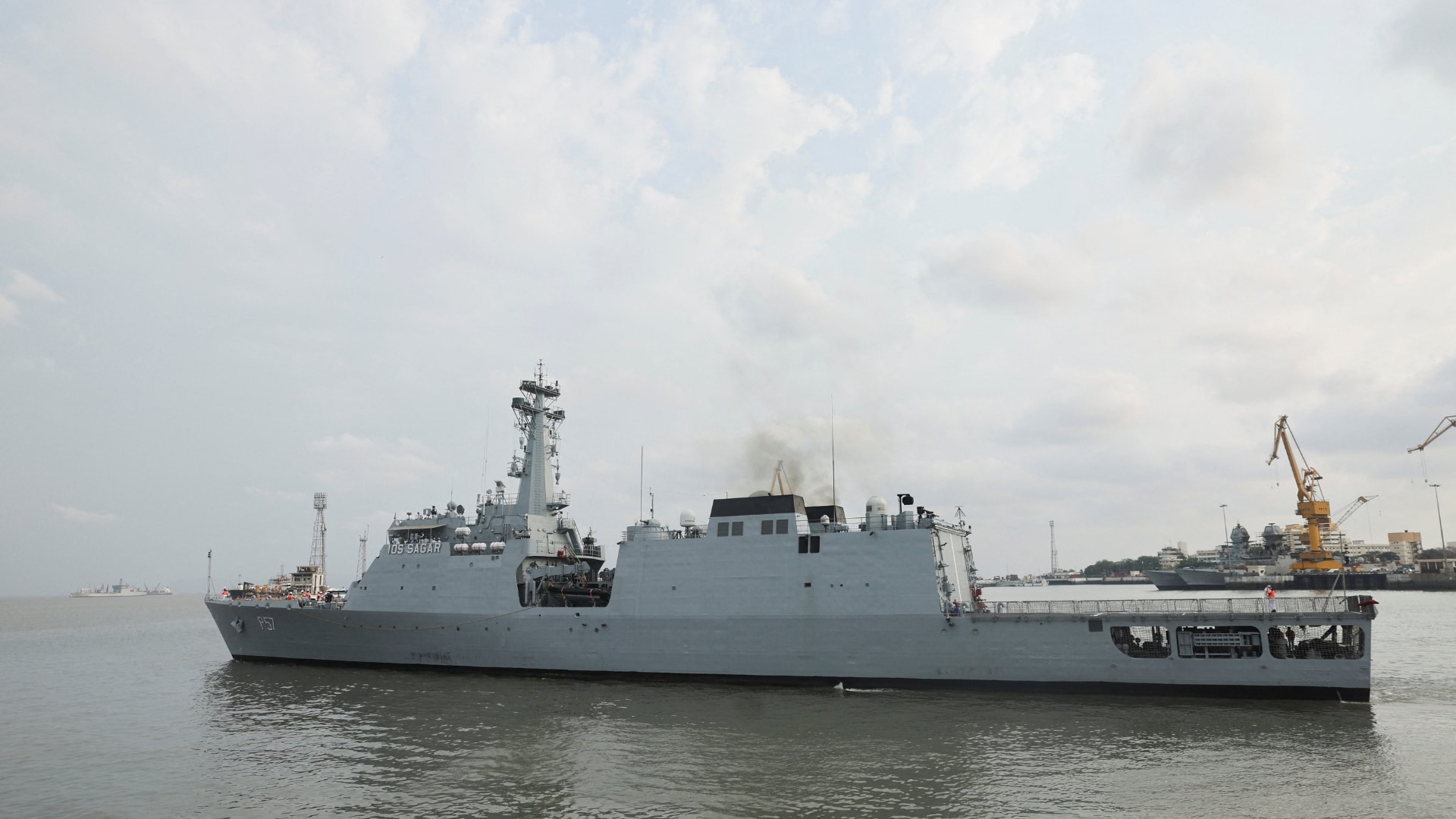
Security isn't a luxury. It’s the foundation. Without it, the "shared prosperity" part of the slogan is just wishful thinking. India has stepped up as a "first responder" in the region. Whether it’s piracy or natural disasters, they’re the ones sending the navy. This isn't just about being a good neighbor. It’s about ensuring that the flow of energy and goods doesn't stop.
The West Asian Shadow Over the Indian Ocean
You can't talk about the Indian Ocean without looking at the Red Sea. The Houthi attacks on commercial shipping have forced a massive shift in maritime traffic. Suddenly, the Cape of Good Hope route—a relic of the pre-Suez era—is back in style. This adds weeks to travel times. It adds millions to costs.
The conference participants were blunt about this. The conflict in West Asia isn't "over there." It’s right here. It affects the price of petrol in Perth and the cost of grain in Colombo. When we talk about resilience, we’re talking about the ability of these nations to withstand these external shocks.
Freedom of Navigation is Non-Negotiable
If one country or group can choke a chokepoint, the whole system breaks. This was a massive theme at the conference. There’s a growing consensus that the "might makes right" approach to maritime borders won't work. Small island nations are particularly nervous. They don't have navies. They rely on international law. If the big players start ignoring the rules because they’re distracted by West Asian wars, the small guys get crushed.
Prosperity is a Security Strategy
It's easy to separate "money" and "war," but they’re two sides of the same coin. The Indian Ocean Conference highlighted that economic integration is a way to prevent conflict. If every nation has a stake in the others' success, they’re less likely to let things fall apart.
Investment in port infrastructure is booming. But it’s not just about building concrete docks. It’s about digital connectivity and transparent financing. We’ve seen what happens when nations take on "predatory loans" for vanity projects. They lose their sovereignty. The conference pushed for a model where development doesn't lead to a debt trap.
Think about the Blue Economy. This isn't just a buzzword. It’s about fish, minerals, and renewable energy. For a country like Mauritius or the Maldives, the ocean is their primary resource. If the water is polluted or the fish stocks are looted by foreign trawlers, their economy dies. Security in the Indian Ocean means protecting these resources just as much as it means patrolling for pirates.
The Problem With the Big Power Game
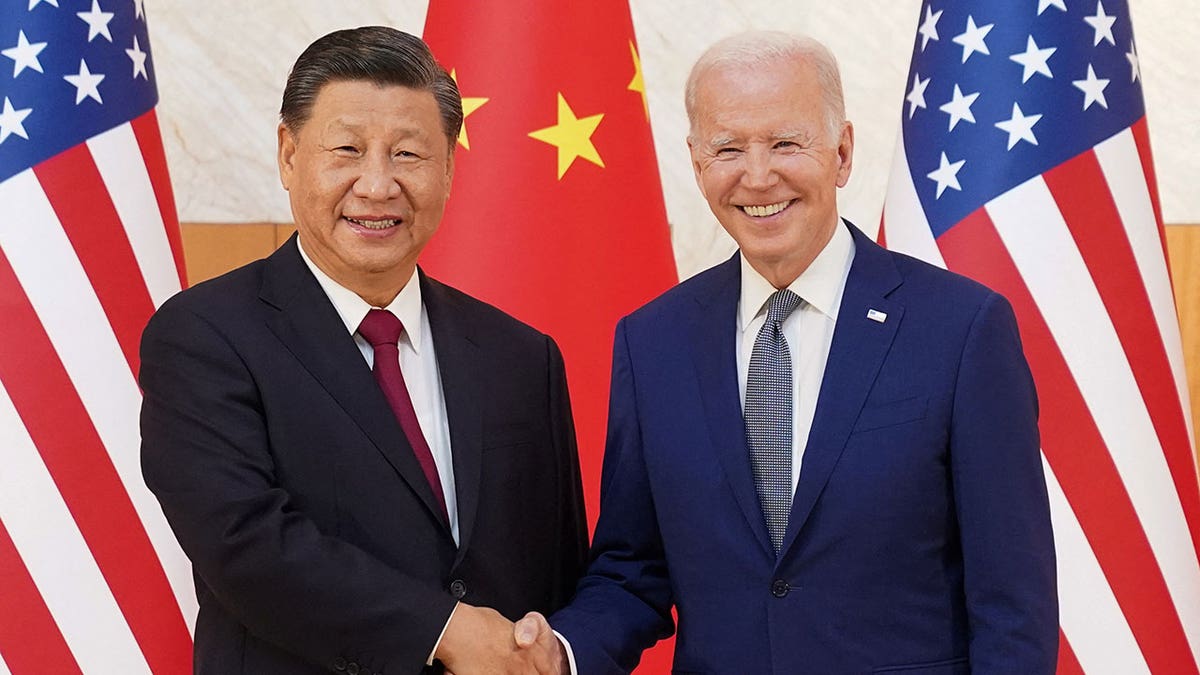
Let’s be honest. The Indian Ocean is a playground for the US, China, and India. Each has its own agenda. Sometimes those agendas clash. The conference tried to navigate this minefield without blowing everything up.
There’s a lot of talk about "inclusivity." This is usually code for "we don't want to choose sides between Washington and Beijing." It’s a smart move. The nations in the region want an Indian Ocean that is free and open, not a lake owned by a superpower.
India’s role here is unique. They’re positioned as the natural leader of the "Global South." They’re trying to build a coalition that focuses on regional needs rather than global ideological battles. It’s a tough sell when West Asian conflicts keep pulling everyone back into the fray.
Moving Beyond the Talk Shop
So, what’s the actual takeaway? If you’re a business owner or an investor, you need to watch the "minilaterals." These are small groups of countries—like the Quad or various trilateral agreements—that are actually getting things done. They aren't waiting for the UN to save them. They’re running joint patrols and sharing intelligence.
Resilience means diversification. If your supply chain relies on a single route through a conflict zone, you’re doing it wrong. The Indian Ocean Conference reminded everyone that "shared prosperity" requires constant maintenance. It’s not a set-it-and-forget-it deal.
The next steps for regional players are clear.
First, invest in maritime domain awareness. You can't fix what you can't see. Using satellite data to track "dark vessels" is a priority. Second, harden infrastructure against both cyberattacks and physical strikes. Third, stop ignoring the small island states. They are the eyes and ears of the ocean.
The conflict in West Asia will eventually cool down, or it will change shape. But the Indian Ocean isn't going anywhere. The nations that focus on building real, tangible links now are the ones who will thrive when the next crisis hits. Don't wait for a ceasefire to start building your own safety net. Keep an eye on the naval budgets of the "middle powers" like Australia and Indonesia. They’re the ones who will define the next decade of maritime security.