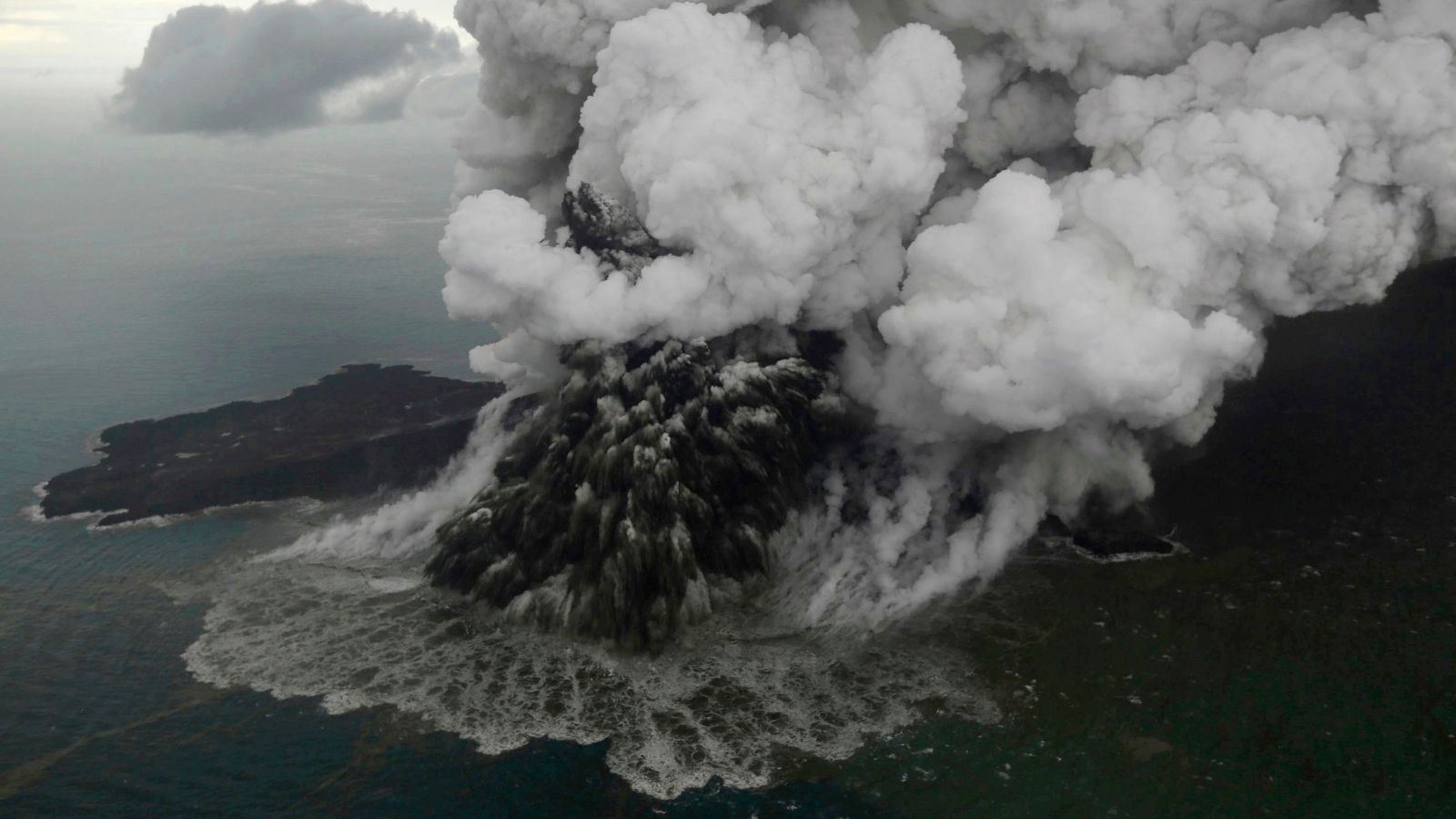
You land in Jakarta or plan a quick hop to Bali, expecting a standard tropical itinerary. Then Mount Anak Krakatau decides to wake up, spewing ash 20,000 to 50,000 feet into the air. Suddenly, Indonesia's massive Soekarno-Hatta International Airport halts operations, stranding thousands.
Being 150 kilometers away doesn't save you. Volcanic ash travels fast, and when it hits major air hubs, itineraries dissolve instantly.
The Reality of Flying Near the Ring of Fire
Indonesia sits squarely on the Pacific Ring of Fire. If you travel here often, you learn that eruptions aren't rare anomalies. They are a constant operational hazard. Mount Anak Krakatau—the literal "Child of Krakatau" born from the caldera of the catastrophic 1883 disaster—has been sitting at alert level three.
When it erupted late Friday, ash clouds didn't just affect tiny local airstrips. They forced the closure of multiple airports, freezing over 300 flights and impacting major international routes connecting Jakarta to Singapore, Kuala Lumpur, Sydney, and Doha.
Airlines cancel routes with zero hesitation. Jet engines and volcanic glass do not mix. Inhaled glass-like ash melts inside hot turbine blades, destroying engines mid-flight. Safety protocols mean ground stops happen fast, leaving passengers staring at departure boards that flip to cancelled within minutes.
What Happens When You Get Stranded
When Soekarno-Hatta shuts down, the logistics nightmare begins. More than 22,000 passengers find themselves stuck in terminals or hunting for local accommodation.
Airport operators hand out light refreshments and coordinate bus transfers to nearby hotels, but lines stretch for hours. Travelers like Eloan Tasset, caught mid-trip to Manado, face the immediate scramble of finding lodging while airlines sort out rolling delays.
Local authorities try quick fixes. The disaster mitigation agency deploys weather modification tactics like cloud-seeding to force heavy rainfall, washing the abrasive ash out of the local atmosphere. Meanwhile, schools close and local fishing fleets stay docked because breathing raw ash causes severe eye and lung irritation.
How to Protect Your Trip From Volcanic Disruptions
You can't stop a volcano from blowing its top. You can, however, stop letting it ruin your travel budget and schedule.
- Build buffer days into your itinerary. Never book a tight international connection straight off a domestic Indonesian flight during active tectonic periods. Give yourself 48 hours.
- Track the geologic alert levels. Anak Krakatau was already at high alert. Monitoring regional vulcanology reports gives you a head start before airlines even post warnings.
- Buy travel insurance that explicitly covers natural disasters. Standard policies often exclude volcanic ash disruptions unless you buy specific riders or cancel before official bans drop.
- Keep physical protection handy. If ash starts falling while you're moving between locations, carry N95 masks and eye protection in your day bag. Volcanic grit gets everywhere.
Keep your eyes on local updates rather than relying solely on international news feeds. When aviation authorities shut down the airspace, stay put, follow terminal instructions, and let the weather clear.