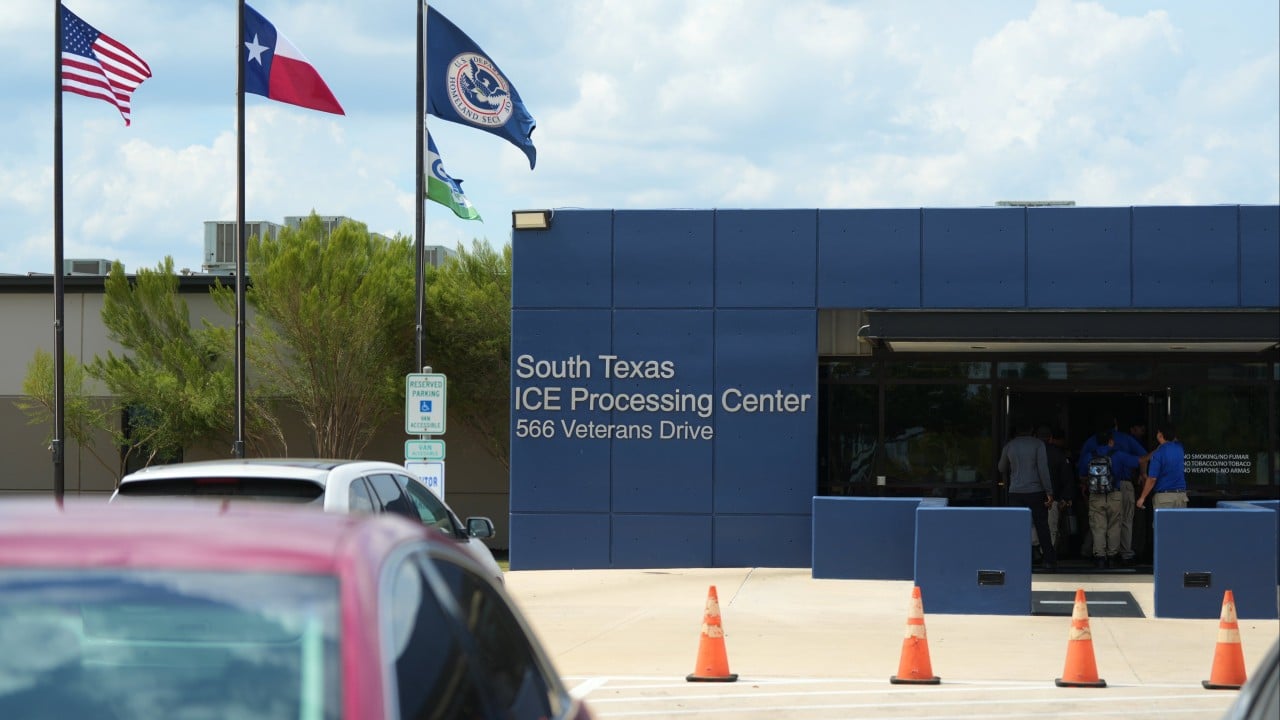
Amnesty International has officially broken decades of precedent by demanding the complete dismantling of U.S. Immigration and Customs Enforcement. Released in late 2026, the comprehensive investigative document titled "We had whistles, they had guns" compiles evidence from high-intensity regional operations across the United States. Rather than framing these events as isolated bad apples, the investigation exposes an entrenched institutional culture defined by systematic due process violations, extrajudicial tactics, and pervasive racial profiling.
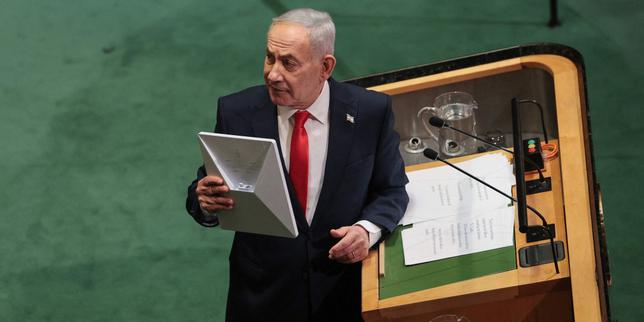
When a federal policing apparatus expands rapidly under multi-billion-dollar budgetary injections without proportional accountability mechanisms, systemic failure becomes mathematically certain. For years, political moderates argued for incremental reform, tighter oversight, and retraining programs. Yet, the evidence gathered across multiple urban centers reveals an organization operating so far outside domestic and international human rights norms that administrative tweaking is entirely useless. In other news, we also covered: Why Netanyahu at the UN General Assembly Sparked a Massive Walkout.
The Mechanics of Systemic Impunity
To understand why international observers are calling for a complete structural reset, one must examine how the agency was forged. Established in the frantic legislative rush following the 2001 security paradigm shift, the agency was deliberately engineered to view civil administration through a military threat matrix. That structural DNA matters. When civil immigration infractions are treated through the lens of national security and counter-terrorism, standard constitutional boundaries naturally begin to erode.
Consider the mechanics of localized surge operations documented in the 2026 findings. Federal agents operating in metropolitan areas frequently utilize unmarked vehicles, tactical gear indistinguishable from military units, and aggressive entry tactics that bypass standard administrative protocols. Eyewitness accounts and legal filings highlight recurring instances where individuals—including U.S. citizens of color—were detained arbitrarily based on physical appearance, language spoken, or geographic location rather than individualized probable cause. BBC News has provided coverage on this important subject in extensive detail.
A particularly striking case detailed in the investigation involved a young American citizen in Minnesota who was detained by agents who explicitly refused to inspect a valid passport, whisking him away to a federal facility before eventually releasing him hours later after public outcry and legal intervention. Incidents like this demonstrate that the operational friction is not merely administrative inefficiency; it is a feature of an unchecked enforcement model where the presumption of innocence is routinely discarded.
Beyond Reform
Defenders of the current status quo often fall back on the argument that enforcement is a dirty job requiring hard choices. They point to criminal records databases and abstract safety statistics to justify aggressive tactics. However, this argument collapses under the weight of empirical documentation showing that sweep operations routinely ensnare individuals with no criminal history, alongside lawful residents, asylum seekers, and citizens.
When the enforcement mechanism itself becomes a primary driver of civil rights violations, minor adjustments to internal policy manuals accomplish nothing. Training modules cannot fix an agency culture built on the premise that constitutional protections are optional during immigration enforcement. If an institution's fundamental design is incompatible with human rights law, preservation of that institution ceases to be a viable policy option.
Communities across the country have already recognized this reality, building independent mutual aid networks, legal defense funds, and rapid-response documentation teams to fill the void left by failing public accountability. These grassroots efforts highlight a sobering truth. Citizens are increasingly forced to protect one another from the very state apparatus designed to maintain public order.
The demand to abolish the agency is not a rhetorical flourish. It is a logical conclusion derived from years of documented abuse, lack of transparency, and persistent immunity from meaningful oversight. Rebuilding a functional, humane immigration framework will require starting from zero, parting entirely with the post-9/11 security architecture that birthed the current crisis, and anchoring federal policy firmly in dignity and the rule of law.