The federal push to fortify the southern border has collided with an immovable geographic and political reality in West Texas. Within the sprawling canyons of Big Bend National Park, the Trump administration has faced intense resistance over plans to construct physical barriers through some of the most rugged terrain in North America. While officials defend the initiative as a critical national security imperative funded by billions in congressional appropriations, the endeavor exposes a stark friction point: the clash between hardline enforcement strategies and the industrialization of fragile, protected public lands.
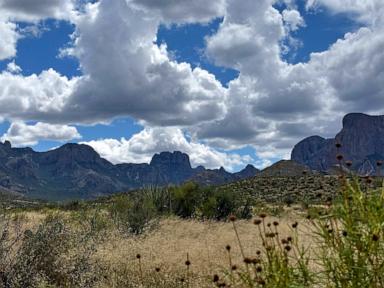
To understand why this specific sector ignited a multi-layered legal and political firestorm, one must examine the metrics. The Big Bend sector covers over 500 miles of the international boundary, accounting for more than a quarter of the total U.S.-Mexico borderline. Yet, historical apprehension data tells a very different story than urban sectors like El Paso or the Rio Grande Valley. Federal figures indicate that the region historically records a tiny fraction of total border apprehensions, frequently hovering around one percent or lower due to the sheer hostility of the Chihuahuan Desert environment. Towering cliffs, extreme temperatures, and a lack of roads make illicit crossings naturally perilous.
Critics of the project, including local river guides, environmental organizations, and regional stakeholders, argue that building heavy infrastructure here represents an inefficient allocation of resources. They contend that the desert itself functions as an effective deterrent. Conversely, proponents and Department of Homeland Security planners maintain that leaving any extensive sector unmonitored or unbarriered creates structural vulnerabilities that trafficking networks will inevitably exploit. This fundamental disagreement over operational necessity set the stage for a bitter courtroom battle that ultimately reached the highest court in the land.
The legal trajectory of the project has been volatile. Federal district courts initially intervened, halting ground-disturbing activities after conservation groups challenged the administration's sweeping use of statutory waiver authority. Under federal legislation, the executive branch possesses the authority to waive dozens of environmental, historical, and cultural protection laws—including the National Environmental Policy Act and the Endangered Species Act—to expedite barrier construction. Opponents argued that stretching this waiver power to carve roads and erect steel bollards through a designated national park exceeded congressional intent.
When a lower court judge issued an injunction pausing the heavy machinery, the administration responded swiftly, arguing that delays inflicted substantial financial costs on taxpayers while undermining national security execution. The subsequent Supreme Court intervention lifted the block, allowing construction to resume while deeper legal challenges wind their way through the judiciary. Even so, the political fallout has crossed traditional party lines. Prominent conservative voices in Texas expressed unease over altering a crown jewel of the national park system, demonstrating that infrastructure projects in rural red states can fracture local political coalitions.
Beyond the courtrooms and legislative chambers, the physical footprint on the ground remains a contentious flashpoint. Heavy equipment deployment near iconic areas like Santa Elena Canyon has disrupted fragile riparian corridors. Conservation advocates point to the permanent alteration of migration routes for native wildlife and the disruption of local economies dependent on tourism, whitewater rafting, and outdoor recreation. The park draws hundreds of thousands of visitors annually, injecting millions into adjacent rural economies that rely on preservation rather than perimeter security.
As heavy machinery moves back into position under the weight of the judicial clearance, the fundamental dilemma persists. The administration retains the legal mechanisms and financial backing to push forward, but the long-term cost involves a permanent transformation of a landscape that was intentionally set apart from industrial development. The outcome in Big Bend will likely serve as a defining precedent for how federal power interacts with public lands when national security mandates intersect with wilderness preservation
Supreme Court Clears Way for Border Construction in Big Bend, Putting National Park at Risk
This video provides an overview of the legal battle and the Supreme Court's decision allowing border wall construction to resume in the Big Bend region.