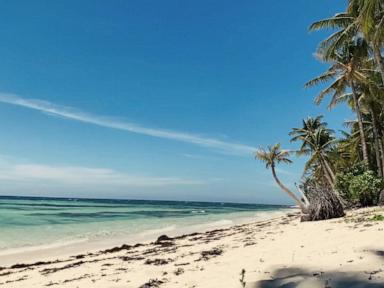
A British holidaymaker has died after being pulled from the sea at Playa de la Escalera in Fuerteventura, marking yet another preventable tragedy in the Canary Islands. The victim was winched from choppy waters by an Emergency and Rescue Group helicopter after going into cardiac arrest, while a second swimmer managed to struggle ashore. This latest fatality highlights a systemic crisis gripping the Atlantic archipelago. Underneath the postcard-perfect imagery lies a compounding disaster of underfunded coastal surveillance, shifting environmental factors, and an outdated safety infrastructure struggling to cope with record tourist numbers.
The incident at Playa de la Escalera, a remote and scenic stretch on Fuerteventura's northern coast, followed a pattern painfully familiar to local emergency responders. When the alarm was raised, the Canary Islands Emergency and Rescue Group scrambled an airborne unit. Paramedics performed advanced cardiopulmonary resuscitation on the beach, but the victim could not be revived.
Tabloid headlines routinely frame these events as isolated moments of misfortune or reckless behavior by tourists. The reality is far more complex, exposing structural vulnerabilities in how safety is managed across the islands.
The Mirage of the Safe Atlantic
The central issue is a fundamental misunderstanding of the Macaronesian marine environment. The Canary Islands do not possess the calm, predictable waters of the Mediterranean. They are exposed volcanic outcroppings sitting directly in the path of powerful Atlantic swells and unrelenting trade winds.
Playa de la Escalera is highly prized by travelers for its rugged, untouched beauty. However, that lack of commercial development means it lacks permanent lifeguarding infrastructure.
Beachgoers frequently mistake clarity for safety. A beach can appear pristine and inviting while concealing localized rip currents moving at speeds of up to 2.5 meters per second. Even Olympic-level swimmers cannot push against that velocity.
When a swimmer is caught in a rip, panic sets in within ninety seconds. This triggers sudden physiological changes, including hyperventilation and rapid heart rate elevations, which frequently culminate in cardiorespiratory arrest before actual fluid ingestion occurs.
The Arithmetic of an Understaffed Coastline
The Canary Islands welcomed over 16 million tourists last year, pushing infrastructure to its absolute limit. Coastal safety spending has simply failed to keep pace.
Canary Islands Coastal Safety Disconnect
┌────────────────────────────────────────┐
│ Tourist Arrivals: Record Highs         │──► Increased Exposure
└────────────────────────────────────────┘
┌────────────────────────────────────────┐
│ Lifeguard Coverage: Highly Fragmented  │──► Delayed Response
└────────────────────────────────────────┘
Municipalities hold the responsibility for funding and staffing beach safety under Spanish law. This creates a deeply fragmented patchwork of protection. While major urban resort beaches feature well-equipped towers and regular patrols, secondary or rural beaches are left entirely unmonitored.
Municipal budgets in smaller regions cannot sustain the cost of year-round professional lifeguards, jet-ski interception units, and localized warning systems. Consequently, the burden shifts entirely onto centralized emergency services like the Emergency and Rescue Group.
Airborne rescue operations are highly sophisticated, but they are subject to the laws of physics and geography. A helicopter takes time to spool up, clear airspace, and transit to a remote cove. In a drowning scenario, the brain begins to suffer irreversible damage after four minutes of oxygen deprivation. Relying on an airborne asset as a primary response mechanism means the battle is frequently lost before the aircraft even leaves the tarmac.
The Tourism Marketing Blindspot
The institutional reluctance to aggressively educate tourists about maritime hazards remains a glaring issue. Tourism boards fear that prominent, explicit warning signs or graphic safety campaigns will deter visitors and damage local economies.
The current warning system relies heavily on the traditional flag system.
- Green: Safe to swim.
- Yellow: Caution required.
- Red: Swimming prohibited.
This system is inadequate for dynamic Atlantic environments. A beach can transition from yellow to red conditions in less than an hour due to offshore tidal shifts, long-period swells, or sudden wind changes.
Without active, vocal beach wardens to interpret these changes for international visitors who may not speak Spanish or understand local coastal flags, safety signage becomes invisible background noise.
Rethinking Ocean Safety
Addressing this ongoing crisis requires shifting the focus from reactive emergency responses to proactive mitigation strategies.
First, the Canary Islands government needs to establish a centralized, federally funded coastal safety agency. Removing the financial burden from small municipal councils would ensure standardized lifeguard coverage based on visitor density and ocean risk profiles, rather than local tax revenues.
Second, the region must adopt modern technology to bridge the gap. Deploying autonomous drone networks equipped with automated external defibrillators and inflatable flotation devices would allow operators to reach a distressed swimmer in a fraction of the time it takes a helicopter to arrive.
Finally, the travel industry must take accountability. Tour operators, airlines, and accommodation platforms should be legally required to provide targeted, localized ocean safety briefings to arrivals. Presenting realistic, actionable data about rip currents and tidal hazards alongside flight details could significantly reduce these incidents.
The tragedy in Fuerteventura was entirely preventable. Until authorities acknowledge that ocean safety is just as critical as highway policing or aviation oversight, the Atlantic will continue to claim the lives of unsuspecting visitors.