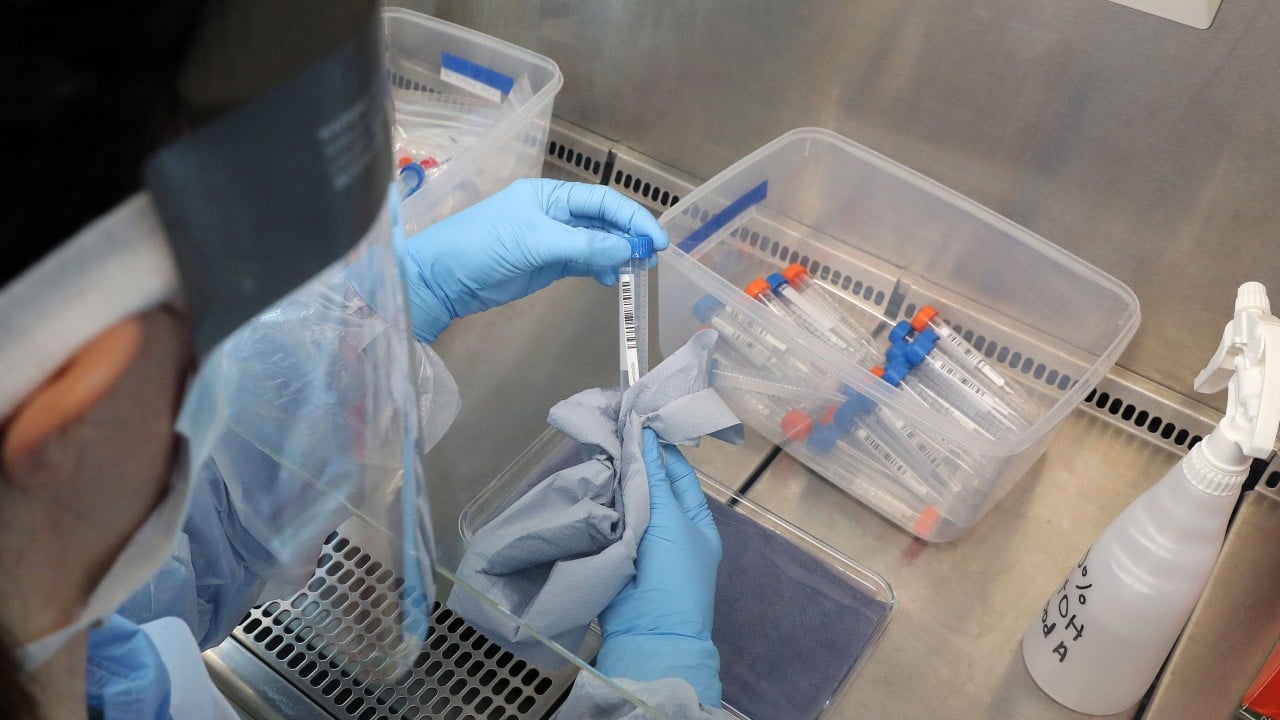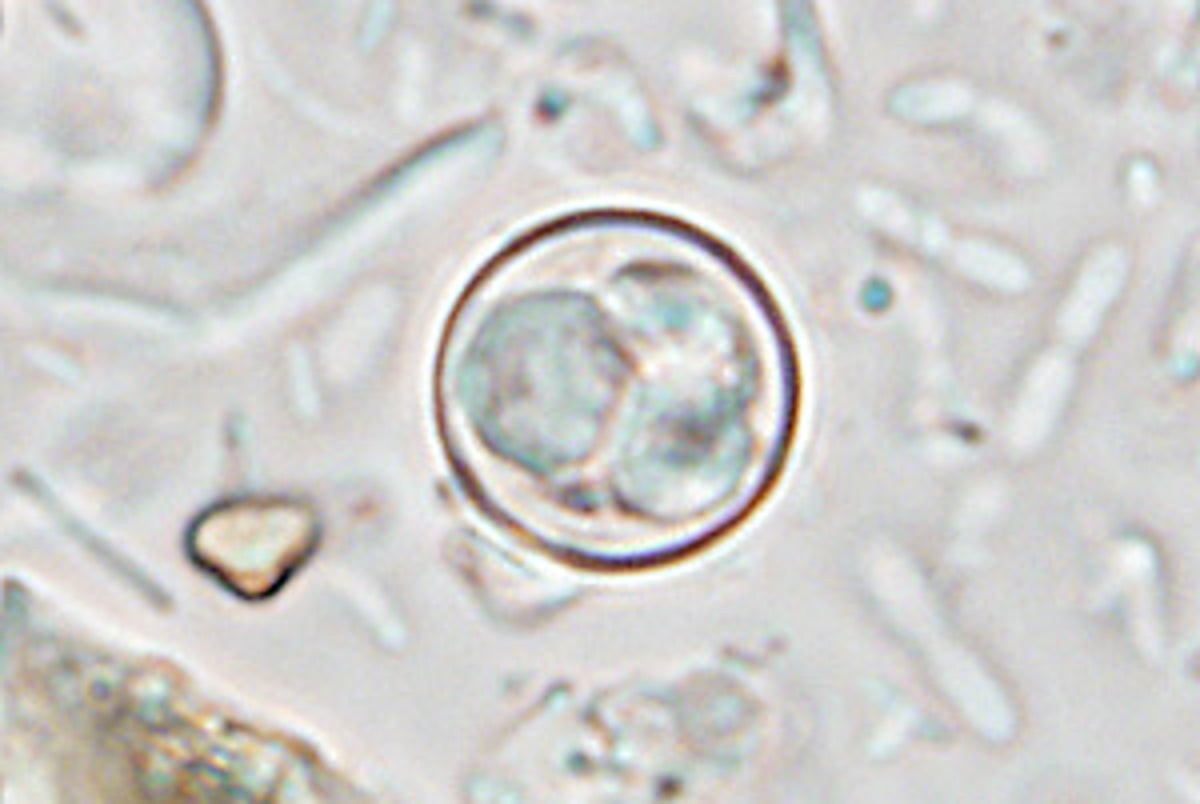
A microscopic parasite called Cryptosporidium is triggering a surge of severe gastrointestinal illness across the United States. It causes profuse, watery diarrhea that can last for weeks. While tabloid headlines scream about explosive symptoms, the real story is not what happens in the human gut. The crisis lies in our municipal water treatment facilities. Millions of Americans assume municipal tap water and public pools are pristine. They are wrong. Cryptosporidium is fundamentally altering how public health officials view water safety because the organism is virtually immune to standard chlorination.
Public health agencies are tracking a steady rise in cryptosporidiosis cases. This is not a sudden, localized failure of a single water park or a solitary contaminated well. It is a structural vulnerability in how the nation processes its water.
The Chlorine Illusion
For a century, municipal water safety relied on a simple premise. Add enough chlorine, and the pathogens die. This chemical barrier protects cities from cholera, dysentery, and typhoid. But Cryptosporidium ignores the rulebook.
The parasite survives outside a host by forming an oocyst. This outer shell is thick, durable, and chemically inert to standard levels of chlorine.
In a standard chlorinated swimming pool, a typical pathogen dies within seconds. A Cryptosporidium oocyst can sit in that same chlorinated water for up to seven days and remain completely infectious. When an infected individual enters a public pool, they release billions of these oocysts. Normal filtration systems eventually catch some, but the chemical defense is zero. It takes just ten of these microscopic shells to cause a full-blown infection.
The math is brutal. One single contamination event can turn a massive community aquatic center into a biological delivery system. Swimmers ingest a single gulp of water, and the cycle repeats.
Infrastructure at the Breaking Point
The problem stretches far beyond public recreational pools. The real threat is the drinking water supply. Many older municipal water treatment plants rely strictly on coagulation, sedimentation, and chlorine disinfection. If agricultural runoff or sewage bypasses the physical filters, chlorine will not save the population downstream.
Upgrading these facilities requires capital that many municipalities simply do not have. Modernizing a water treatment plant to fight treatment-resistant pathogens requires two primary technologies.
- Ultraviolet Disinfection: Exposing water to UV light disrupts the DNA of the oocyst, rendering it incapable of reproducing.
- Ozonation: Injecting ozone gas into the water breaks down the protective shell of the parasite far faster than chlorine.
Both options cost millions of dollars. For small towns and aging industrial cities, these upgrades are financially impossible without massive federal intervention. Instead, local utilities operate on a knife-edge. They monitor turbidity and hope their physical sand filters catch the parasites.
If those filters fail, a city faces a crisis like the infamous 1993 Milwaukee outbreak. In that disaster, over 400,000 people fell ill and dozens died when a water treatment plant passed the parasite into the city's drinking supply.
We are seeing a slow-motion repetition of this vulnerability nationwide. Runoff from industrial cattle farms, intensified by increasingly severe weather patterns and heavy rainfall, pushes unprecedented amounts of animal waste into freshwater sources. When a deluge overwhelms a local treatment facility, the parasite slips through the cracks.
The Diagnostic Black Hole
The true scale of the current spread is obscured by a flawed diagnostic system. Most people who experience a sudden bout of severe cramps and watery diarrhea do not visit a doctor immediately. They wait it out. They take over-the-counter medication and drink electrolytes.
If they do go to a clinic, a standard stool culture rarely looks for Cryptosporidium. Doctors must specifically order an ova and parasite examination or a specialized PCR panel. These tests are expensive. Insurance companies routinely question them. Consequently, for every laboratory-confirmed case reported to the Centers for Disease Control and Prevention, dozens more go completely unrecorded.
This underreporting creates a false sense of security. Public officials cannot fix a leak they do not see. By the time a cluster of cases is officially identified, the contamination event has usually passed, leaving investigators to trace a ghost.
A Fragmented Regulatory Response
The Environmental Protection Agency sets standards for drinking water, but enforcement and day-to-day monitoring fall to a patchwork of state and local health departments. This fragmentation invites disaster.
A water park in one state might be required to use secondary UV purification systems. Just across the state line, an identical facility might operate legally with nothing but a basic chlorine pump and a clipboard.
Furthermore, the agricultural lobby consistently fights against stricter regulations regarding factory farm runoff. When thousands of cattle are concentrated in a single watershed, the volume of Cryptosporidium oocysts introduced into the environment is staggering. Without strict mandates forcing agricultural operations to contain their runoff, downstream water treatment plants are left to bear the burden alone.
The Limits of Personal Protection
Boiling water for one full minute destroys the parasite. This is a viable strategy during a localized "boil water" advisory, but it is a miserable way to live day-to-day.
Standard carbon pitcher filters do absolutely nothing to stop Cryptosporidium. The oocysts slip right through the porous charcoal. Consumers looking for peace of mind at home must look for filters explicitly rated under NSF Standard 53 or NSF Standard 58 for cyst removal. These filters utilize sub-micron filtration to physically trap the oocysts.
+------------------------------------+---------------------------------------+
| Filter Type                        | Effectiveness Against Cryptosporidium  |
+------------------------------------+---------------------------------------+
| Standard Carbon Pitcher            | Completely Ineffective                |
| NSF Standard 53 (Absolute 1 Micron)| Highly Effective (Physical Removal)   |
| Reverse Osmosis (NSF Standard 58)  | Highly Effective (Physical Barrier)   |
| Standard Pool Chlorination         | Ineffective (Requires days of exposure)|
+------------------------------------+---------------------------------------+
Relying on individual consumer awareness is a failed policy strategy. A citizen cannot test the water at a local restaurant or a municipal splash pad before taking a sip. The responsibility belongs squarely on the shoulders of municipal engineers and federal regulators. Until public water infrastructure receives the funding required to phase out chlorine-only defense strategies, the parasite will continue its quiet, disruptive march through American communities.