The Hidden Cost of Modern Agriculture
Twelve thousand people. That is the sheer scale of human collateral left in the wake of a single, preventable foodborne contamination event tied to commercial produce. When public health officials in Michigan finally lifted their strict advisories warning residents to stop eating specific commercially packaged salads, the public breathed a collective sigh of relief.
They assumed the danger had passed. They went back to buying plastic clamshells of mixed greens from supermarket refrigeration units, trusting that the clearance meant the problem was solved. Read more on a similar topic: this related article.
They were wrong.
The clearance only meant that a specific contaminated lot had cleared the shelves. It did nothing to address the structural vulnerabilities baked into how modern agriculture operates. A foodborne parasite does not appear by accident, and it certainly does not vanish simply because a government agency changes its advisory status. More analysis by CDC explores comparable perspectives on the subject.
Behind every major outbreak of Cyclospora cayetanensis lies a complex chain of custody involving industrial irrigation, international supply chains, and regulatory blind spots that leave consumers completely exposed.
Tracking the Parasite
To understand how an entire state's population became collateral damage, you have to look closely at what Cyclospora actually is. This is not E. coli or Salmonella. Those bacterial pathogens are relatively well-understood, fast-acting, and frequently studied.
Cyclospora is different. It is a microscopic single-celled parasite that causes an intestinal illness known as cyclosporiasis.
The lifecycle of this organism is tailor-made for industrial agriculture. When an infected individual sheds the parasite's oocysts through human waste, those oocysts are not immediately infectious. They require days or even weeks in a warm environment to sporulate. Once they reach that stage, they become remarkably resilient. They can survive in soil for weeks and resist standard chemical sanitizers used in produce processing plants.
[Infected Waste] ---> [Water Source] ---> [Irrigation] ---> [Produce Leaf] ---> [Human Ingestion]
Chlorine rinses, the gold standard of commercial packing facilities, often fail to kill these hardy oocysts. When consumers buy pre-washed, triple-washed greens, they are paying for a marketing promise rather than a sterilized product. The mechanical washing removes dirt, but it leaves microscopic hitchhikers intact.
The Supply Chain Illusion
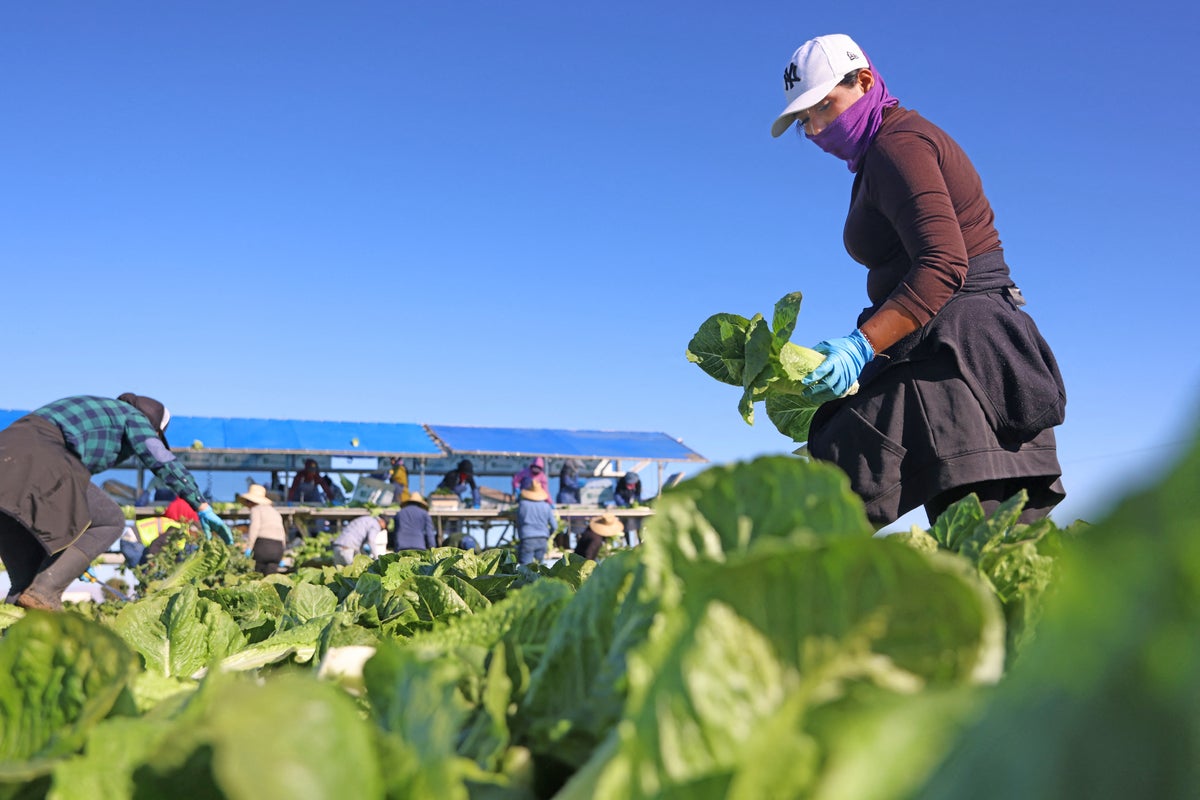
Modern consumers are deeply detached from the origins of their food. A bag of mixed salad greens sitting neatly in a grocery aisle represents a logistical marvel. It was harvested thousands of miles away, transported via refrigerated freight, and stocked within days.
That speed comes with a steep price.
Mass-scale farming relies heavily on centralized processing facilities. When a single large farm in a foreign country or a southern state supplies leafy greens to multiple distributors, contamination does not remain localized. It scales instantly.
┌─────────────────────────┐     ┌─────────────────────────┐     ┌─────────────────────────┐
│     Central Farm        │ ──> │  Processing Facility    │ ──> │   National Distributor  │
└─────────────────────────┘     └─────────────────────────┘     └─────────────────────────┘
                                                                             │
                                                                             ▼
┌─────────────────────────┐     ┌─────────────────────────┐     ┌─────────────────────────┐
│     Supermarket Shelf   │ <── │   Regional Warehouse    │ <── │   Cross-Country Fleet   │
└─────────────────────────┘     └─────────────────────────┘     └─────────────────────────┘
Traceability during a crisis is notoriously slow. By the time epidemiologists link a spike in gastrointestinal distress to a specific barcode or farm of origin, the contaminated lettuce has already been consumed, digested, and discarded. The incubation period for Cyclospora can stretch up to two weeks, masking the source and ensuring that public health warnings always arrive after the damage is done.
Farmers are caught in a squeeze between cost efficiency and biological safety. Agricultural water is expensive. Treating irrigation water to drinking-water standards requires massive capital investment. Consequently, many mid-sized and large operations rely on surface water sources—rivers, canals, and agricultural run-off basins—that are inherently vulnerable to upstream contamination.
Regulatory Blind Spots
Federal oversight agencies operate with one hand tied behind their back. The Food and Drug Administration inspects a fraction of a percent of imported produce facilities each year. Budget constraints and jurisdictional loopholes mean that safety protocols rely heavily on self-regulation by agricultural conglomerates.
When things go wrong, the playbook is predictable.
- Issue a public warning.
- Trace the lot numbers.
- Blame environmental factors.
- Return to business as usual.
This reactive cycle ignores the systemic failures that allowed the contamination to happen in the first place. Treating water quality as an afterthought while demanding year-round availability of delicate, perishable crops guarantees future outbreaks.
Consumers are told to wash their produce thoroughly at home. This advice is fundamentally flawed when dealing with Cyclospora. Rinsing lettuce under a kitchen tap will not wash away or kill oocysts that have tightly adhered to rough leaf surfaces or infiltrated microscopic tears in the plant tissue.
The True Cost of Convenience
The human toll of these outbreaks extends far beyond a few days of digestive discomfort. Severe cases of cyclosporiasis involve explosive, watery diarrhea, explosive fatigue, weight loss, cramping, and low-grade fever that can persist for months if left untreated with specific antibiotics like trimethoprim-sulfamethoxazole.
For vulnerable populations, elderly individuals, or those with compromised immune systems, the infection can be debilitating.
Yet, the market response remains muted. Supermarkets restock their shelves. Consumers forget the headlines. The supply chains speed up once more, driven by a relentless demand for cheap, out-of-season freshness.
Until structural reforms mandate absolute transparency in agricultural water treatment and independent verification of pre-harvest safety, the next outbreak is not a question of if, but when.
The clearance is given. The lettuce returns to the plates. And the cycle continues, quiet and uninterrupted, until the next invisible wave hits.