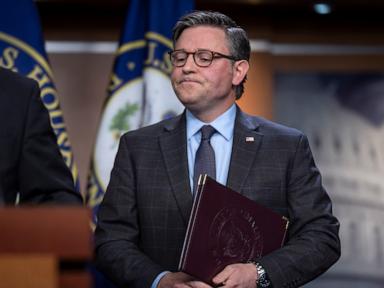
The House just passed a stopgap funding bill to keep the federal government running through December, neutralizing what could have been a catastrophic fiscal collision right before the midterm elections. On paper, the 370-48 vote looks like an outbreak of rare bipartisan sanity. In reality, it is a calculated containment strategy designed by politicians terrified of facing an angry electorate amid closed federal parks and delayed paychecks.
For months, the threat of a government shutdown loomed as a recurring American ritual. This time, however, the electoral calendar forced a rare moment of self-preservation. Lawmakers refuse to campaign on economic chaos of their own making.
The Anatomy of a Stopgap Escape
Continuing resolutions are supposed to be emergency bridges built when routine appropriations fail. Instead, they have mutated into permanent governance architecture. The current stopgap measure pushes the fiscal cliff past November, ensuring that voters cast their ballots without the immediate trauma of a federal freeze fresh in their minds.
Look past the procedural language and the motivation is transparent. Members of Congress want to leave Washington, fly back to their districts, and shake hands without defending a shuttered government.
"When you weigh the whole thing, it is much more important for the country to avoid a government shutdown," House Majority Leader Steve Scalise admitted.
That translation is straightforward. When political survival is on the line, ideological purity on spending bills suddenly becomes negotiable.
Hidden Landmines Inside the Bipartisan Deal
While the headline vote was overwhelmingly lopsided, the path to passage was littered with institutional friction. The Senate injected provisions that deeply alienated hardliners on both sides.
Senate appropriators grafted language onto the continuing resolution to temporarily block a controversial Office of Management and Budget rule. That rule would have expanded political appointees' authority over federal grants.
Fiscal conservatives erupted. Representatives Chip Roy and Andy Harris took to the floor to decry the lack of open amendments, arguing that leadership bypassed the Rules Committee to jam the package through under expedited suspension procedures.
Meanwhile, conservative anger also flared over a delayed federal reclassification of certain hemp products, which critics argue poses direct public health risks.
On the other flank, progressive Democrats voiced deep frustration. They watched leadership drop a complex, one-sided funding vehicle into the mix with zero opportunity for meaningful negotiation on core priorities.
The Real Cost of Perpetual Delay
Kicking the funding can down the road until December does not solve the underlying structural rot inside the federal budget process. It merely reschedules the crisis.
Every time Congress relies on a continuing resolution, federal agencies operate on autopilot. Long-term modernization projects freeze. Hiring initiatives stall. Contractors face compounding uncertainty.
The strategy relies on a cynical gamble. Leadership assumes that once the election dust settles, lame-duck urgency will force a compromise that everyone currently avoids. History suggests otherwise. Post-election sessions are notoriously volatile, often compounding partisan grievances rather than resolving them.
The system remains broken by design. Lawmakers use the threat of fiscal collapse as leverage, only to scramble for an eleventh-hour exit whenever the political cost hits too close to home.
The government will stay open for now. But the underlying disease of legislative paralysis remains entirely untreated.


