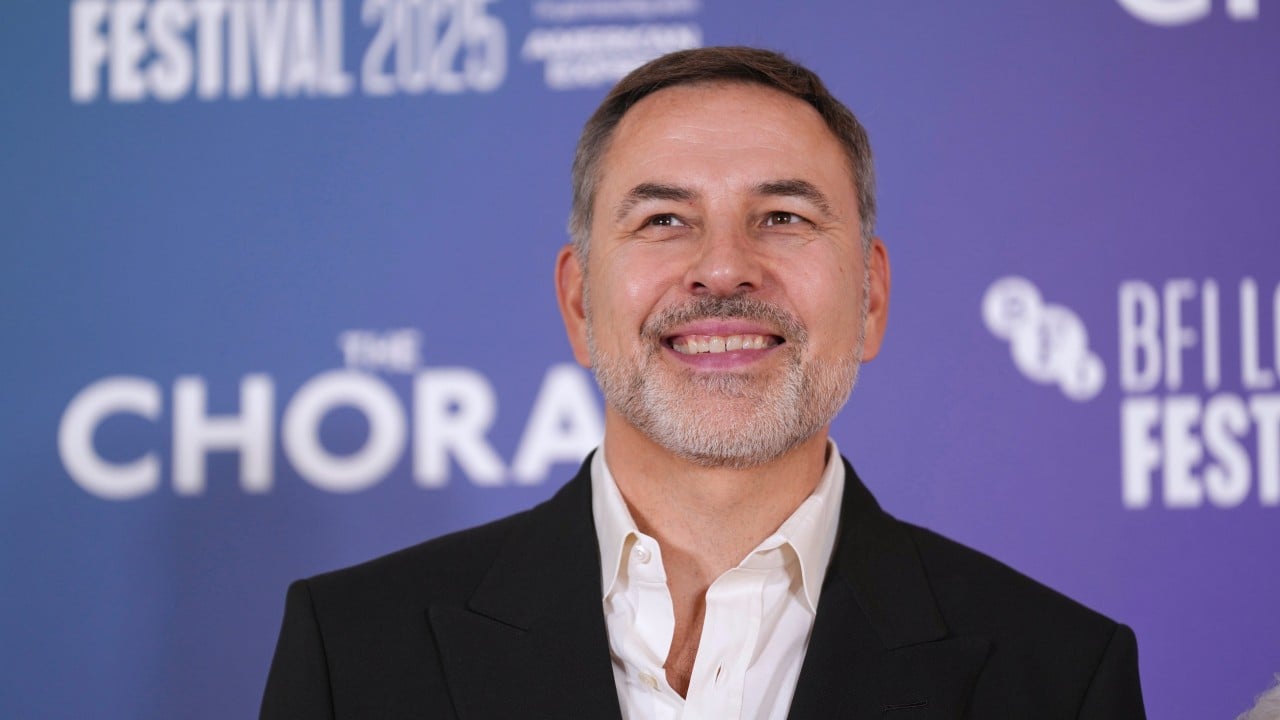
The allegations against David Walliams center on multi-year claims of sexual misconduct, workplace harassment, and grooming involving young women and teenagers as young as 15, alongside a separate Metropolitan Police investigation into non-recent serious sexual offences and new claims that publisher HarperCollins suppressed warnings for years. Walliams denies all allegations of wrongdoing and criminality.
Watchdog roundups often treat a scandal like a rolling ticker. A quote here. A statement from a broadcaster there. That format misses the structural machinery underneath. In November 2026, joint reporting by The Guardian and ITV News—backed by more than 30 sources—brought decades of whispers into the open after a High Court judge refused an injunction to block publication. Within days, the BBC moved to review his back catalogue and pull programmes such as Little Britain, Independent Talent Group dropped him, and roughly half of surveyed UK primary schools reported removing or planning to remove his children's books from shelves. For a deeper dive into similar topics, we recommend: this related article.
Yet the real story is not just one man's fall from television grace. It is how a massive commercial engine kept protecting a bankable star long after warning signs piled up, and how a single set of allegations triggered an immediate collision between safeguarding laws, non-disclosure agreements, and mental health safeguards in the courts.
How Commercial Value Kept Red Flags Quiet
Money changes how institutions read risk. That is an old rule in British media, and it shows up plainly in the reporting surrounding Walliams. For additional background on this development, detailed coverage is available on Vanity Fair.
Between 2008 and 2025, Walliams sold 25.7 million copies of his children's books in the UK alone, according to NielsenIQ BookScan figures. At his peak in 2018, his titles accounted for 44 percent of HarperCollins UK's children's sales. Numbers like that do not sit quietly on a balance sheet. They shape executive tolerance, marketing budgets, and internal incentives.
Former staff and authors at HarperCollins told The Guardian and ITV News that concerns about Walliams' behaviour toward women were raised repeatedly over nearly a decade, beginning around 2015. Those accounts included claims of an inappropriate sexual relationship with someone who had been an intern when he first met her, inappropriate interactions with other women connected to the company, and an approach to a teenager at a book signing. Staff described warning colleagues to steer clear of him rather than trusting that leadership would intervene.
An external inquiry by law firm Allen & Overy began in 2023 and wrapped up in early 2024 without immediate public consequences for the author, who went on to publish five more books before HarperCollins severed ties in December 2025. Former CEO Charlie Redmayne had stepped down abruptly two months earlier, in October 2025, without a standard farewell fanfare. HarperCollins stated that it was shocked by the November 2026 reporting regarding teenage girls, added that it implemented recommendations after the 2024 external investigation, and said it later took further necessary steps before ending its publishing relationship with him.
There is an uncomfortable nuance here that quick headlines flatten. Not every former employee reported negative interactions with Walliams; some staff members said they never witnessed inappropriate behaviour and found him polite or reserved. In high-profile workplaces, contradictory experiences are common. A star can appear harmless or courteous to one group while crossing lines with another, which makes informal office warnings a poor substitute for clear accountability.
The Legal Battle Over Mental Health and Public Interest
Few parts of the Walliams coverage carry as much long-term legal weight as the High Court fight before publication. Celebrity privacy injunctions usually lean on claims of confidential information or harassment. This one went further.
Walliams' legal team argued that publishing the allegations posed a severe risk that he would take his own life, invoking Articles 2 and 3 of the European Convention on Human Rights. Court filings and reporting noted a longstanding psychiatric history involving recurrent depressive illness, suicidal ideation, and treatment in a mental health facility.
Mr Justice Nicklin rejected the injunction bid. He acknowledged that Walliams had a serious psychiatric vulnerability that could be worsened by publication, yet found the evidence did not establish that suicide was inevitable, and ruled that blocking the stories would amount to an exceptionally serious interference with press freedom and public-interest reporting. Crucially, the judge noted that Walliams' care team and hospital bore responsibility for his immediate safety—meaning clinical care, not media suppression, was the proper safeguard.
Where Care and Accountability Collide
That ruling exposes a real tension in modern journalism and law. Editors and courts cannot treat mental distress as an automatic veto over public-interest reporting when credible allegations involve minors, workplaces, or potential criminal conduct. At the same time, treating vulnerable individuals as disposable collateral damages the standard of care expected in a civil society.
The reporting on Walliams shows why careful process matters. The Guardian and ITV News took months to verify accounts, engaged with court scrutiny, and gave Walliams' representatives and care team advance notice so protective measures could be put in place before publication. That middle path is slow and legally expensive. It is also far more defensible than either rushing to print or burying serious claims behind closed doors.
Non-Disclosure Agreements and a Shifting Policy Line
As details emerged about internal complaints and a settlement involving a non-disclosure agreement, the fallout moved rapidly from entertainment pages to Westminster. Critics argued that legal confidentiality was being used to keep warnings about a major earner out of sight.
On November 25, 2026, Prime Minister Andy Burnham announced that from January, non-disclosure agreements would no longer be permitted to silence employees who have experienced harassment or discrimination, and that crime victims would be free to speak to police, support services, family, or the media without loopholes for lawyers to exploit. The announcement followed heightened scrutiny of NDA practices across media and publishing in the wake of both the Walliams reporting and cases involving Russell Brand.
Banning gagging clauses on harassment is a major step forward, yet it will not fix every gap on its own. Fear of career damage, unequal bargaining power, and reluctance to relive painful events still keep many people quiet even without a signed contract. Real reform requires safe reporting channels, independent investigations that do not protect top revenue generators, and clear boundaries around how talent is managed behind closed doors.
Schools, Back Catalogues, and an Unfinished Reckoning
For parents, teachers, and librarians, the scandal landed right inside children's reading corners. A Teacher Tapp survey of nearly 3,500 primary school teachers found that 43 percent had already removed Walliams' books from libraries or classrooms, with another 7 percent planning to do so and 9 percent discussing it.
Headteachers face an immediate practical squeeze. Emptying shelves overnight leaves a visible gap in school reading lists, often with tight budgets for replacements. Some educators worry about pupils feeling unsettled if they read news coverage about an author whose books sit on their desks; others debate the line between safeguarding and over-broad book bans. The Department for Education left those decisions to individual schools and teachers.
Even before the November 2026 allegations, Walliams' work had drawn criticism from some readers and commentators over stereotypes tied to class, race, and gender. The difference now is scale and urgency. Broadcasters are auditing archives, production companies are facing scrutiny over what they knew or missed, and the Metropolitan Police investigation remains active alongside Walliams' firm denials.
When an industry builds a star into a near-untouchable institution, the reckoning rarely comes all at once. It arrives in court orders, empty bookshelves, policy shifts, and dozens of separate accounts finally allowed into the light.