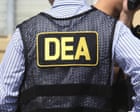
Two college students are dead. A local shop clerk and her son face serious criminal charges for selling illicit substances. The tragedy in Oxford, Mississippi, exposes a much larger, darker reality. A billion-dollar herbal supplement market operates in a regulatory vacuum, leaving teenagers and college students exposed to dangerous products masquerading as harmless botanical goods.
When federal authorities and local law enforcement raided a convenience store following the deaths of two Ole Miss students, they did not just find bags of crushed green leaf. They uncovered an unregulated commercial pipeline trading in concentrated extracts, synthetic alterations, and adulterated powders. This is not a story about a quirky herbal remedy gone wrong. It is a calculated exploitation of a legal loophole. A multi-state supply chain profits from selling potent psychoactive compounds across counter tops without age verification, quality control, or accurate labeling.
The Botanical Smoke Screen
Kratom, scientifically known as Mitragyna speciosa, is a tropical tree native to Southeast Asia. Its leaves contain alkaloids like mitragynine and 7-hydroxymitragynine. These compounds bind to opioid receptors in the human brain. In traditional settings, laborers chewed the raw leaves for energy and pain relief.
That traditional usage bears zero resemblance to what is currently stocked in American gas stations and smoke shops.
Modern commercial kratom products are industrial derivatives. Manufacturers use chemical solvents to strip raw plant matter down into high-potency liquid extracts, enhanced capsules, and flavored powders. Some brands spike their goods with synthetic additives to boost intensity. When a retail clerk sells a concentrated extract shot to a college student, they are not selling herbal tea. They are dealing a potent psychoactive substance with zero standardized dosing instructions.
The Food and Drug Administration has issued repeated warnings regarding the health risks of kratom, citing severe side effects including addiction, liver damage, withdrawal symptoms, and death. Yet, because the federal government has not scheduled the substance under the Controlled Substances Act, individual states and municipalities are left to fend for themselves.
Regulatory Chaos and State-Level Patchwork
The legal status of kratom resembles a fragmented patchwork quilt. Six states have banned the substance entirely, classifying it alongside illicit narcotics. Others enforce strict age limits or require rigorous laboratory testing. Meanwhile, Mississippi and dozens of other states rely on a patchwork of local ordinances and delayed legislative responses.
This regulatory fragmentation creates an arbitrage opportunity for bad actors. Distributors shift inventory to jurisdictions with lax enforcement. Shady operators offload untested, contaminated, or adulterated batches onto mom-and-pop storefronts eager for high profit margins.
A standard bag of raw leaf powder costs a wholesaler pennies. Retailers sell enhanced extracts for twenty to thirty dollars a bottle. That massive markup incentivizes clerks and store owners to look the other way when customers ask questions about potency, or worse, when underage buyers step up to the counter.
The College Town Target Demographic
University towns represent prime territory for the predatory marketing of alternative substances. Students face intense academic pressure, financial stress, and social anxiety. Smoke shops capitalize on this vulnerability by positioning kratom as a natural, plant-based alternative to prescription medications or alcohol.
Displays feature bright, appealing packaging. Marketing copy whispers promises of focus, relaxation, and mood enhancement. Words like "all-natural" and "holistic" disarm skepticism. Consumers assume that if a product sits on a shelf next to energy drinks, it must be safe.
That assumption proves fatal.
In toxicology reports from overdose cases involving kratom, investigators frequently find multiple substances in the deceased's system. But public health experts emphasize that concentrated mitragynine extracts alone can suppress respiratory function, especially when combined with central nervous system depressants like alcohol or prescription sedatives. The average college student has no way of knowing whether the tincture they purchased contains two percent mitragynine or twenty percent, let alone whether it is tainted with heavy metals or synthetic opioids.
The Criminal Liability Shift
For years, smoke shop owners operated under the belief of absolute immunity. They argued they were merely selling dietary supplements protected by federal law.
The criminal charges brought against the Oxford shop clerk and her son signal a tectonic shift in prosecutorial strategy. Law enforcement is no longer targeting just massive international drug cartels. They are holding local retailers directly accountable for the lethal consequences of the products they choose to stock.
Prosecutors are utilizing reckless homicide, involuntary manslaughter, and drug distribution statutes to pierce the corporate veil of convenience stores and smoke shops. If an owner or employee sells an adulterated, mislabeled, or exceptionally dangerous substance without proper safety warnings, they can face decades behind bars.
This legal escalation forces a brutal reckoning across the retail sector. Store owners must now decide whether the high profit margins of alternative botanical products justify the existential risk of a prison sentence.
What Accountability Actually Looks Like
Banning kratom outright often drives the market underground, creating an illicit black market plagued by even more dangerous adulterants. True market reform requires structural transparency.
Lawmakers must implement the Kratom Consumer Protection Act framework nationwide. This legislation mandates good manufacturing practices, independent laboratory testing, clear labeling of alkaloid content, and strict age verification protocols. Products failing to meet heavy metal and microbiological purity standards must be seized and destroyed at the border.
Retailers caught selling unverified or high-potency concentrated extracts to minors should face immediate business license revocation alongside felony criminal charges. Accountability cannot rest solely on the shoulders of grieving families or overburdened emergency room doctors.
The tragedy in Mississippi should serve as a permanent wake-up call. Unregulated commerce in psychoactive botanicals has a body count. Until federal and state regulators establish ironclad guardrails, every corner store counter remains a roll of the dice.