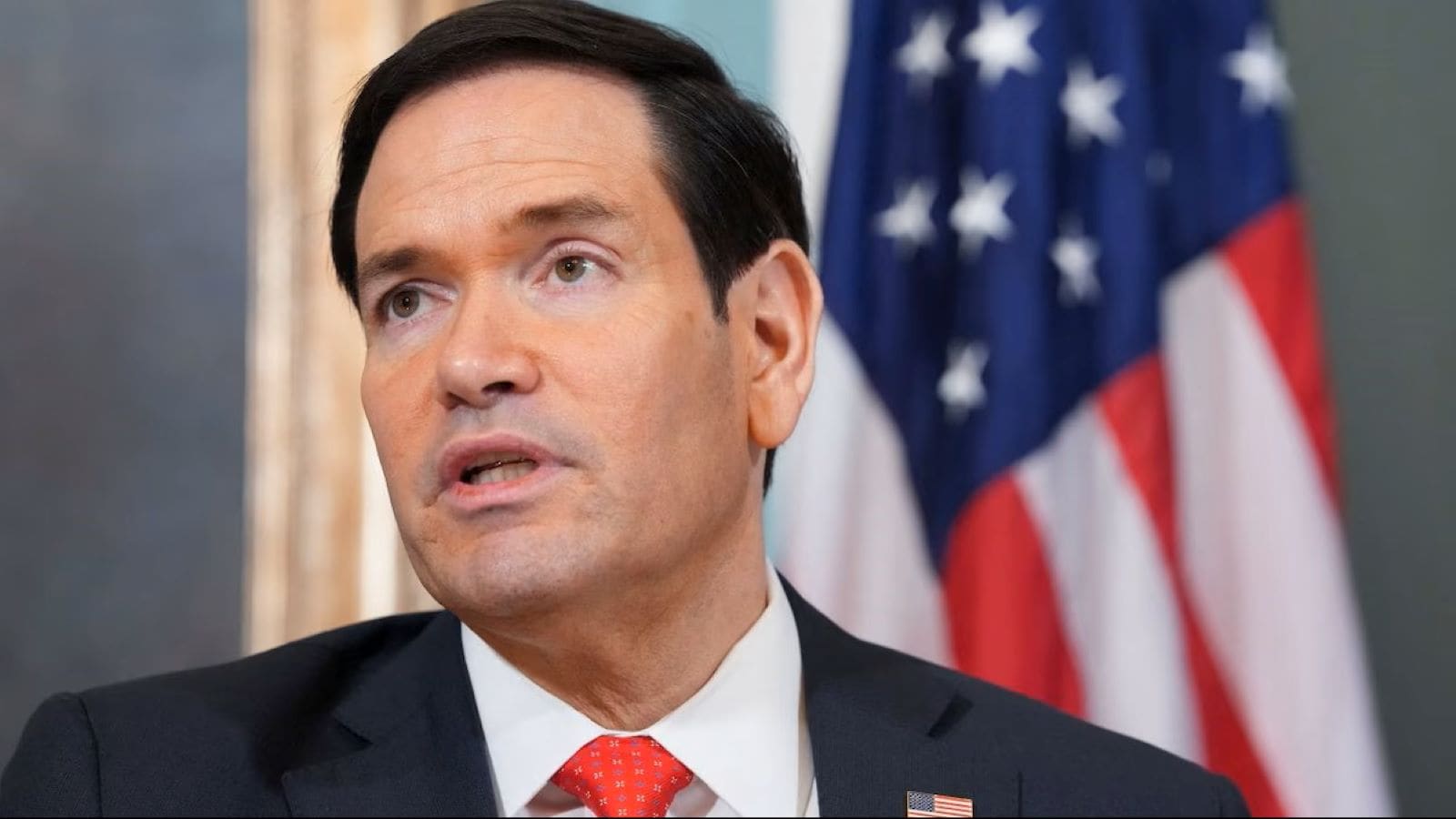
High-stakes diplomacy rarely resembles the cinematic portrayals of sudden breakthroughs and midnight handshakes. More often, it looks like two hardened delegations staring across a heavily secured room, measuring each other's stamina and calculating the domestic political costs of a single concession. When top American diplomats sit down across the table from veteran Russian counterparts, the exchange is rarely about finding immediate harmony. It is an exercise in mutual deterrence through dialogue. Every sentence is weighed for ambiguity. Every silence is intentional.
The architecture of modern international friction is built on layers of distrust that span decades. Years of broken ceasefires, failed security guarantees, and escalating economic warfare have left very little room for diplomatic improvisation. When Washington and Moscow establish a direct channel of talks, expectations are managed downward from the outset. No one enters the room anticipating a miraculous resolution to a brutal war of attrition. Instead, the objective is far more modest and infinitely more difficult: preventing miscalculation from accelerating into a wider catastrophe.
The Mechanics of Structural Incompatibility
The public theater surrounding these summits often obscures the grinding reality of bureaucratic positioning. Press releases speak of frank exchanges and constructive dialogue. These diplomatic euphemisms mask the fundamental incompatibility of the opposing visions for European security. On one side stands a United States administration pressured by domestic economic concerns and public fatigue, attempting to broker an end to a conflict that drains international stability. On the other stands a Kremlin apparatus dug into an existential narrative, viewing territorial control not as a bargaining chip but as a fundamental requirement for regime survival.
To understand why these high-level summits produce meager tangible results, one must examine the mechanics of the negotiation table itself. Diplomatic protocols dictate rigid procedures, but the underlying power dynamics are fluid and ruthless. Russian Foreign Minister Sergey Lavrov brings decades of institutional memory to every encounter. He is a master of procedural obstruction and historical grievances, capable of spending hours dismantling a western premise without conceding an inch of substantive ground. Across from him, American representatives face the dual challenge of coordinating a fractured coalition of allies while projecting unyielding strength to domestic critics.
The friction is not merely theoretical. It manifests in the immediate details of ongoing hostilities on the ground. While diplomats trade cautious notes in conference rooms, industrial infrastructure burns thousands of miles away. Long-range drone strikes target distant refineries, shifting the economic calculus of energy production on a weekly basis. Military commanders on both fronts adapt their strategies faster than diplomats can draft text for a joint communiqué. This disparity between the speed of military escalation and the glacial pace of diplomatic negotiation creates a perpetual state of crisis.
Intelligence assessments prior to these summits routinely highlight the divergence in core objectives. Moscow seeks recognition of its operational gains and the lifting of targeted economic penalties, viewing sanctions relief as a prerequisite for any meaningful political settlement. Washington and its partners demand withdrawal, accountability, and verifiable security architecture that prevents future aggression. These positions do not overlap. There is no middle ground between total sovereignty and forced partition. Consequently, the meetings function primarily as pressure valves rather than resolution mechanisms.
Domestic Pressures and Allied Anxieties
The domestic political environment inside the United States adds another layer of complexity. Foreign policy decisions are constantly filtered through the lens of partisan accountability. Every move made by the State Department is scrutinized by lawmakers eager to declare any diplomatic engagement a sign of weakness or appeasement. This internal political vulnerability limits the maneuvering room available to negotiators. A diplomat cannot offer creative compromises when political adversaries at home are waiting to weaponize any departure from absolute orthodoxy.
Across the Atlantic, European capitals watch these bilateral engagements with acute anxiety. For years, European powers played a central role in shaping the Western response to the conflict. However, shifts in political leadership and economic strain have altered the balance of influence. When American and Russian officials meet independently to discuss security frameworks, European leaders find themselves scrambling to ensure their vital interests are not bartered away in a bilateral grand bargain. The dynamic produces a fractured front, where allied unity is constantly tested by backdoor diplomacy and competing priorities.
The historical precedent for such stalemates points to prolonged periods of guarded hostility. Cold War-era negotiations required years of preparatory work, backchannel messaging, and incremental confidence-building measures before any formal treaties could be signed. Modern statecraft has accelerated the timeline of public expectation, demanding immediate results from thirty-minute bilateral encounters. This impatience is fundamentally mismatched with the scale of the crisis. Lasting agreements require a foundation of verified trust that simply does not exist between Washington and Moscow today.
Consider the hypothetical mechanics of how a ceasefire agreement might be structured in a vacuum. Military experts would propose demilitarized zones, international monitoring boards, and phased troop withdrawals backed by ironclad enforcement mechanisms. In reality, neither side trusts the other to honor an enforcement mechanism. Moscow views international monitors as potential intelligence gatherers for the opposing camp. Kyiv and its Western backers view Russian monitoring proposals as a mechanism to freeze the conflict temporarily while forces regroup for a future offensive. Without trust, structural plans remain dead letters.
The Theater of Public Narratives
The communication strategies employed by both ministries reveal their ultimate audiences. When Lavrov steps before microphones after a closed-door session, his rhetoric is tailored for domestic television consumption and international defiance. He frames Russia as a besieged actor resisting an aggressive unipolar order. Conversely, American statements emphasize adherence to international law, democratic principles, and the inviolability of borders. These narratives are fundamentally incompatible, designed to rally internal support rather than bridge the ideological chasm between the capitals.
Behind the closed doors, the discussions often touch upon secondary issues where transactional agreements remain possible. Prisoner exchanges, maritime safety protocols in contested waters, and the normalization of diplomatic staffing levels occasionally offer small victories for negotiators desperate for something to show for their efforts. These humanitarian and administrative deals matter immensely to the individuals affected, but they do nothing to alter the strategic trajectory of the war. They are tactical agreements operating in the shadow of a strategic deadlock.
The role of third-party mediators further complicates the diplomatic matrix. Various regional powers offer themselves as neutral hosts, hoping to elevate their own geopolitical standing by facilitating dialogue. These capitals provide secure venues and logistical support, but they rarely possess the coercive power required to compel either Washington or Moscow to alter its core calculus. Mediation requires teeth. Without the ability to impose significant costs or offer irresistible incentives, third-party hosts are reduced to expensive hotelier services for warring states.
The True Cost of Stalled Momentum
The financial cost of maintaining this perpetual state of high-level confrontation is staggering. Billions of dollars flow into military supply chains, while civilian infrastructure in active zones continues to deteriorate. Economic sanctions create complex networks of illicit trade and evasion, enriching intermediaries while punishing ordinary populations. Yet, neither government faces enough internal pressure to alter its course. The ruling structures in both nations have successfully insulated themselves from the immediate economic fallout, passing the burden onto future generations and peripheral economies.
As the diplomatic clock ticks forward, the window for a negotiated settlement narrows. Every month of combat hardens public sentiment, making compromises politically toxic for leaders on all sides. Soldiers who entered the service with illusions of a short campaign now inhabit a permanent state of trench warfare. Civilians in targeted cities adapt to air raid sirens as a background element of daily existence. This normalization of violence is the true tragedy of failed diplomacy. When war becomes the baseline reality, peace feels like an impossible abstraction.
The next round of talks will inevitably follow the same choreographed script. Delegations will fly to a neutral city, motorcades will navigate closed streets, and spokespersons will issue carefully worded statements about the importance of keeping communication channels open. Journalists will parse every facial expression caught on camera for signs of progress or despair. But beneath the televised performance, the underlying arithmetic of the conflict will remain unchanged. Power answers to power, and until the cost of continuing the war exceeds the cost of a compromise, the meetings will remain merely procedural markers on a road to nowhere.