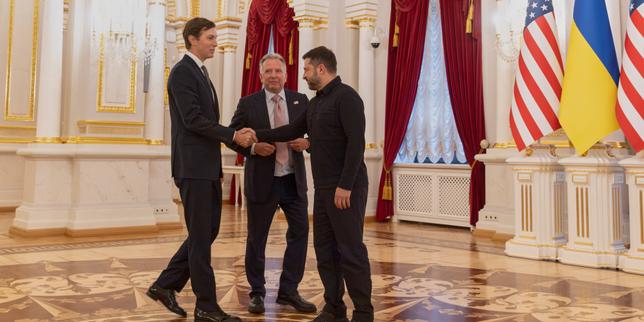
The machinery of international diplomacy moves with a deceptive, frictionless grace on paper, yet grinds to a catastrophic halt when it meets the reality of unyielding artillery. Amid renewed U.S.-led diplomatic efforts and fresh appeals from Pope Leo XIV following devastating civilian infrastructure strikes, world leaders are once again scrambling to force Vladimir Putin and Volodymyr Zelensky to the negotiation table. This frantic choreography of envoys and papal pleas masks a brutal truth. Neither belligerent capital is prepared to accept the territorial and political compromises required to stop the bleeding.
External actors keep framing this conflict as a communication breakdown solvable through high-level mediation. That assumption ignores the existential mechanics driving the war machine forward. For Moscow, imperial expansion and territorial absorption remain core objectives that cannot be bargained away without admitting strategic failure. For Kyiv, yielding sovereign land to an aggressor sets a perilous precedent that threatens national survival. When diplomats pretend these positions can be bridged through a simple phone call or a structured summit, they substitute wishful thinking for rigorous geopolitical analysis.
Look closely at the mechanics of the current diplomatic push. Envoys shuttle between capitals, trading drafts of ceasefires that look impressive in press releases but fall apart under the weight of enforcement mechanisms. Who secures the demilitarized zones? How do you prevent a frozen conflict from reigniting six months later under even bloodier terms? These questions are rarely answered with operational candor because honest answers frighten political constituencies at home. Instead, the international community relies on theatrical optimism, treating peace talks as an end in themselves rather than a consequence of military exhaustion or total alignment of interests.
History teaches us that wars rarely end because leaders suddenly discover the virtue of compromise. They end when the cost of continuation catastrophically outweighs any plausible gain. Right now, both sides calculate that time, attrition, and shifting global alignments might yet break the deadlock in their favor. Russia calculates that Western political fatigue will eventually fracture the coalition supporting Ukraine. Ukraine calculates that its remaining industrial resilience and technological adaptations on the battlefield can gradually degrade Russian offensive capacity.
Papal appeals and hurried diplomatic missions carry moral weight, but they lack structural leverage. Pope Leo XIV rightly denounces the suffering of the innocent and the destruction of energy grids that plunge civilians into darkness. Yet moral condemnation bounces harmlessly off walls fortified by nationalist fervor and survival panic. The Vatican's call for renewed dialogue echoes previous humanitarian interventions that were politely acknowledged and quietly ignored by general staffs mapping out the next offensive wave.
Consider the fundamental flaw in demanding immediate, unconditional talks while core security guarantees remain entirely unresolved. If a ceasefire freezes current frontlines without a durable political settlement, it merely grants the aggressor time to reconstitute depleted armored divisions and re-equip missile batteries. A pause in the shooting is not peace. It is a tactical intermission designed to prepare for the next round of slaughter. Analysts who champion quick fixes refuse to acknowledge that a premature diplomatic deal carries structural risks that could easily dwarf the instability of ongoing hostilities.
The diplomatic class hates an intractable problem because it exposes the limits of their professional toolkit. When conferences fail, they schedule more conferences. When communiqués are ignored, they draft sharper communiqués. This endless loop creates the illusion of momentum while the actual conflict evolves past their theoretical models. The war is no longer just a territorial dispute over specific oblasts. It is a systemic test of the post-Cold War security architecture, involving economic decoupling, sanctions regimes that leak like sieves, and a permanent technological arms race on the battlefield.
Until Western planners confront the reality that diplomacy without military supremacy or absolute deterrence is merely surrender by installments, these cycles of false hope will repeat. The upcoming talks will face the same institutional gravity that dragged down every previous initiative. The formulas being whispered in corridors in Kyiv and Moscow do not account for the radical asymmetry of demands. One side wants recognition of conquest; the other wants total restoration of borders recognized under international law. There is no middle ground between total annexation and absolute sovereignty.
We are left watching a tragic theater where actors read lines written for a different play. The civilian cost mounts daily, recorded in casualty figures and shattered power grids, while diplomats measure their success by the number of airline miles accumulated between capitals.
Pope Leo XIV's appeal for peace in Ukraine, on the eve of the 4th anniversary of the Russian invasion
This video provides visual context on the ongoing papal appeals and international reactions surrounding the war in Ukraine.