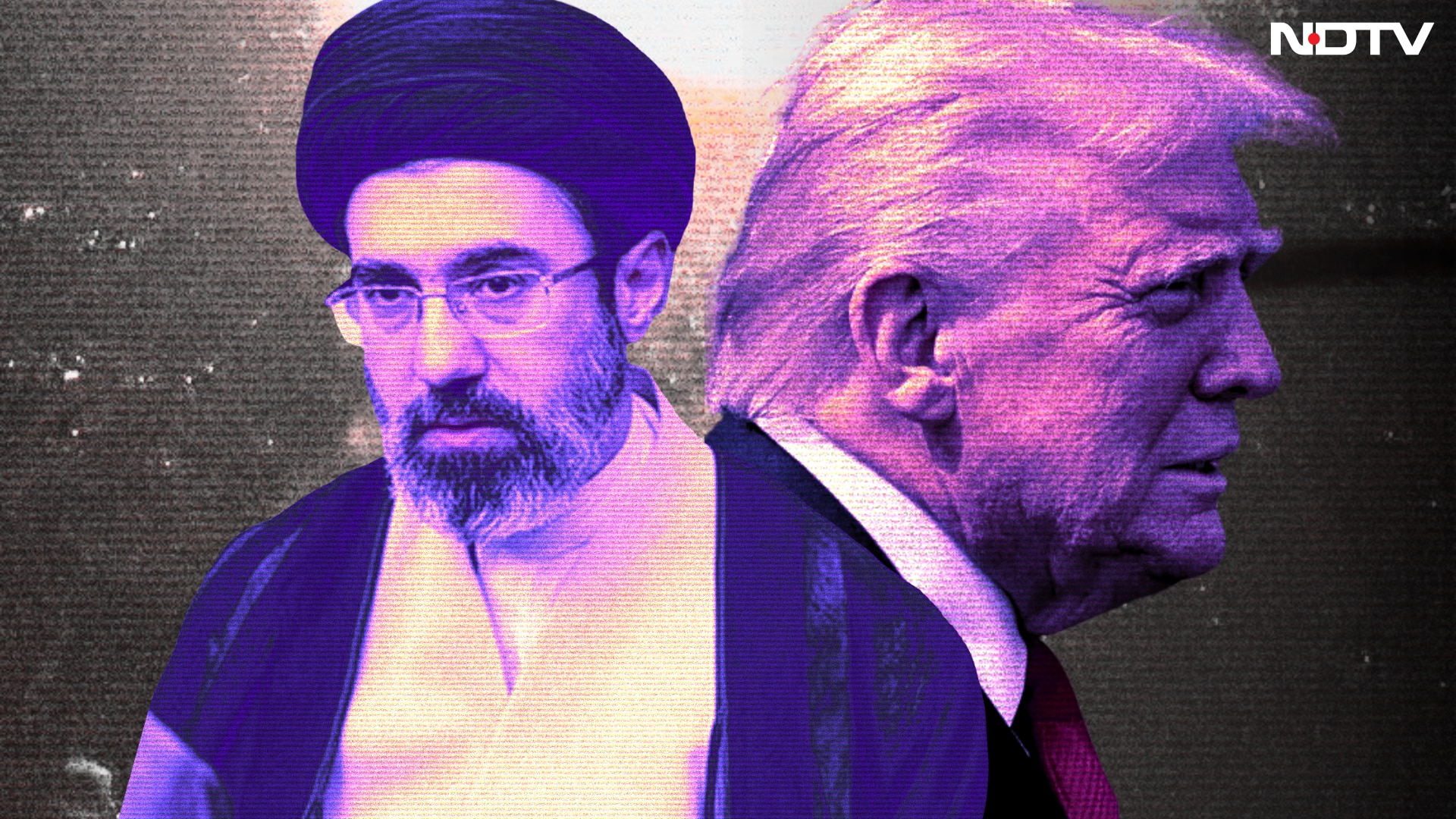
The United States has officially rolled out its latest architecture of financial coercion against Tehran, spearheaded by Treasury Secretary Scott Bessent under the banner of Operation Economic Outcast. Designed to cut off every remaining revenue stream feeding the Iranian government, this campaign relies on sweeping threats of secondary sanctions against any nation or enterprise maintaining commercial ties with the regime. Yet behind the formidable rhetoric of an impending financial D-Day, a stark operational reality persists. Washington is attempting to enforce total commercial isolation without destabilizing the broader global financial apparatus, creating a structural contradiction that foreign capitals are already learning to exploit.
For decades, the mechanics of American sanctions have depended on a simple premise. If you want access to the dollar-denominated global banking system, you cannot do business with entities blacklisted by the Office of Foreign Assets Control. When properly enforced, this mechanism acts like a financial guillotine. If you enjoyed this piece, you should read: this related article.
However, the international financial architecture has evolved far past the unipolar dominance of the late twentieth century. Major trading powers have spent years hardening their financial corridors against precisely this kind of pressure.
When Treasury officials refuse to immediately penalize major sovereign buyers like China—citing the risk of breaking global markets—they signal a core vulnerability. The threat of secondary sanctions loses its teeth when the enforcer admits the penalty is too catastrophic to apply indiscriminately. For another perspective on this event, refer to the latest coverage from The New York Times.
The Mechanics of Shadow Trade
Tehran has not survived successive waves of maximum pressure by accident. Over decades of economic warfare, sophisticated networks have materialized to bypass formal banking channels entirely.
Consider a hypothetical scenario illustrating how this functions in practice. A private refinery in a non-aligned state purchases discounted crude. Payment is not wired through standard correspondent banks. Instead, the transaction clears through localized barter arrangements, digital asset exchanges, or multi-tiered shell companies registered in neutral jurisdictions.
- The Shadow Fleet: Aging oil tankers routinely spoof their transponders, conducting ship-to-ship transfers in international waters to obscure the true origin of the cargo.
- Shadow Banking: Informal clearinghouses operating outside Western oversight allow sanctioned revenues to settle without touching a single dollar-clearing institution.
- Front Operations: Shell entities dissolve and reform under new ownership within hours of a Treasury designation, rendering static bureaucratic lists perpetually reactive.
Treasury can designate fifty or sixty entities at a time, but if the underlying structural incentive for profit remains high, new intermediaries emerge faster than regulators can process paperwork.
Diplomatic Strain and Global Pushback
World capitals are currently performing a high-stakes balancing act. President Donald Trump has reportedly initiated direct phone calls to foreign leaders, demanding an immediate halt to economic interactions with Iran. Some regional partners, such as the United Arab Emirates, have moved to curtail commercial exchanges. Other major importers view the American directives with profound skepticism.
China remains the primary consumer of Iranian petroleum, absorbing volumes through independent regional refiners often referred to as teapot refineries. Beijing understands that Washington faces a grim dilemma. A total blockade on Chinese financial institutions over Iranian crude would trigger an immediate retaliatory spiral, driving energy costs skyward and compounding domestic economic anxiety inside the United States ahead of critical political cycles.
Washington wants absolute compliance without paying the price of total economic decoupling. That mathematical equation does not balance.
The Limits of Coercion
The Iranian economy is undeniably straining under the combined weight of a naval blockade and plunging currency values. Inflation inside the country has eroded living standards to historic lows, and internal dissent remains volatile.
Yet history suggests that political regimes under severe external stress rarely collapse purely from financial deprivation. Instead, they adapt, centralize control over remaining black-market resources, and shift the burden entirely onto the civilian population while insulating the security apparatus.
Operation Economic Outcast represents the pinnacle of modern financial statecraft. It deploys maximum rhetoric, leverages unmatched regulatory reach, and forces every international player into an uncomfortable corner. But unless the United States is willing to accept the collateral damage of genuinely punishing major global economies, these latest warnings risk becoming background noise to nations that have mastered the art of living in the gray spaces of international law.


