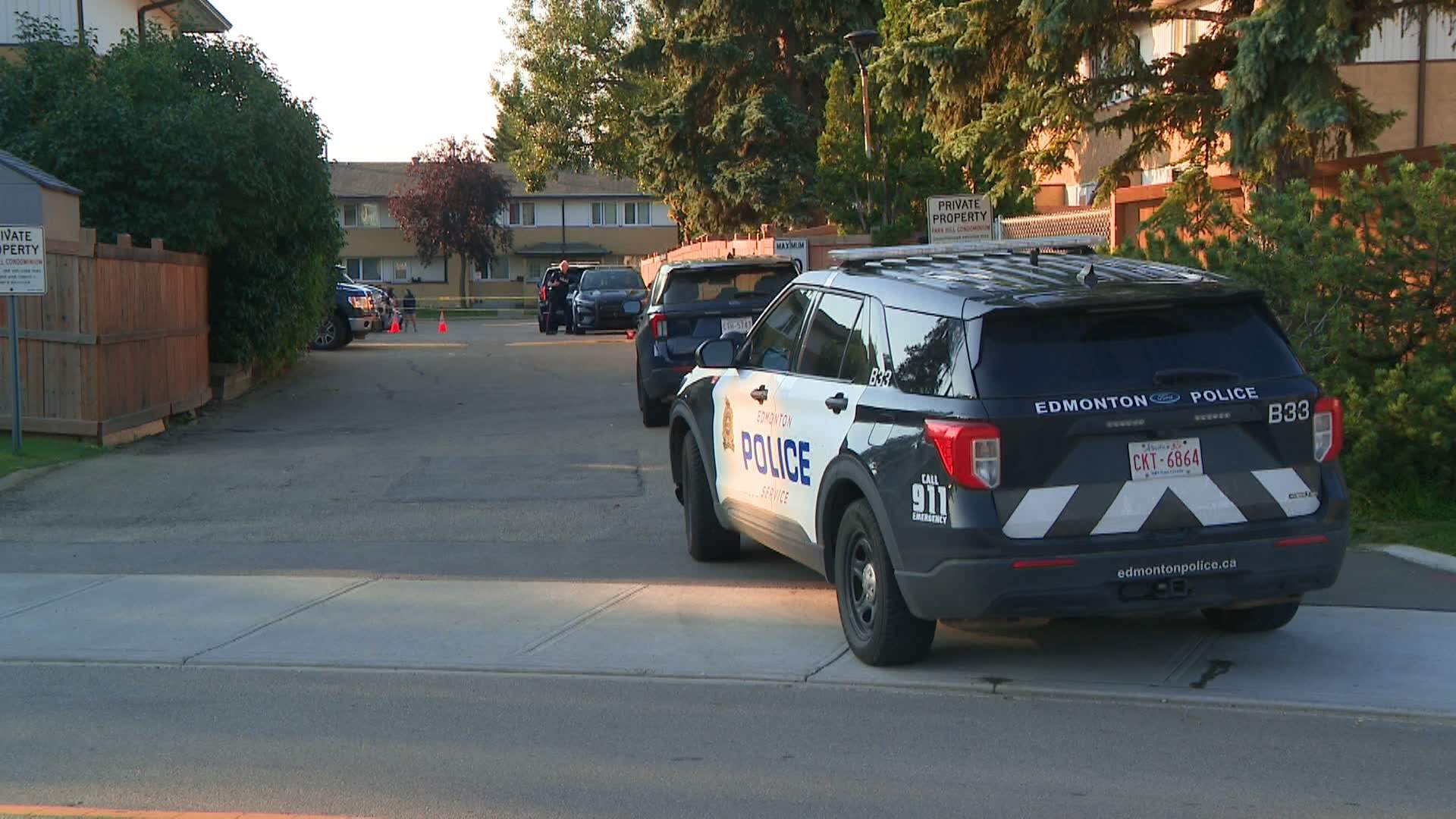
The quiet morning hours in northeast Edmonton were shattered on a Sunday in August 2026 when gunfire erupted near 139th Avenue and 32nd Street. By 6:50 a.m., first responders faced a grim reality. A 16-year-old girl lay critically injured on the pavement from gunshot wounds. Despite immediate life-saving interventions attempted by responding officers, the teenager was pronounced dead before emergency medical services could transport her. The Edmonton Police Service Homicide Section immediately locked down the neighborhood, launching an urgent investigation into what officials officially classified as a suspicious death.
Yet, treating this tragedy as an isolated incident ignores the deteriorating safety metrics plaguing mid-sized Canadian municipalities. Beneath the routine police press releases and initial public appeals for dashcam footage lies a deeper, systemic failure. Street-level violence involving minors is no longer a rare anomaly confined to major metropolitan hubs like Toronto or Vancouver. It has migrated outward, exposing structural vulnerabilities in community policing, social safety nets, and municipal intelligence gathering.
The Anatomy of a Northeast Edmonton Tragedy
Geographic clustering of crime rarely happens by accident. The intersection of 139th Avenue and 32nd Street sits within neighborhoods that have long wrestled with socioeconomic pressures, underfunded youth programs, and fluctuating police visibility. When shots ring out before dawn, they usually point to chronic neighborhood dysfunction rather than spontaneous conflict.
Investigators from the homicide unit face an uphill battle. Witnesses are often reluctant to come forward, fearful of retaliation or distrustful of institutional authorities. Police agencies rely heavily on public cooperation, yet decades of strained relations between marginalized communities and law enforcement create information black holes.
Consider how modern urban homicide investigations function. Detectives pull perimeter footage, canvas local businesses for ring-doorbell recordings, and comb through digital footprints left behind on encrypted messaging applications. But physical evidence only tells part of the story. The mechanical execution of an investigation often misses the macro-level social decay that places a 16-year-old girl in the line of fire at sunrise on a weekend morning.
The Silence Surrounding Youth Involvement in Violent Crime
When a teenager becomes the target of a fatal shooting, society demands simple answers. Was it gang affiliation? A drug dispute gone wrong? Personal vendettas?
These reductionist categories comfort the public by framing the victim as an exception to the rule. They suggest that ordinary youth walk safe paths while only those who dabble in illicit subcultures face mortal danger. Decades of reporting on urban crime prove this binary is false. Vulnerable minors frequently slip through the cracks of educational systems, child welfare frameworks, and mental health infrastructures long before they encounter a firearm.
Municipal budgets routinely prioritize reactionary policing over preventative intervention. When provincial funding models squeeze social agencies, after-school programs close, mental health waitlists stretch into years, and community outreach workers find themselves stretched across impossible caseloads. The resulting vacuum is rapidly filled by predatory networks that recruit alienated youth with promises of belonging and fast cash.
The Edmonton Police Service has reiterated its call for public tips, urging anyone with mobile phone footage or relevant knowledge to call local lines or Crime Stoppers. Anonymous hotlines are a staple of modern police procedure, but they represent a passive strategy. They wait for the community to break its silence, rather than actively building the trust required to dismantle underground economies.
Shifting Paradigms in Municipal Public Safety
Urban analysts have long argued that solving modern street violence requires moving past traditional enforcement models. Traditional policing responds to a crime after the trigger has been pulled. It deploys tape, collects casings, and dispatches coroners. It does nothing to alter the material conditions that made the shooting possible in the first place.
True reform demands synchronized intervention across multiple municipal sectors. Housing stability, food security, and accessible mental health support must be treated as frontline defense mechanisms against violent crime. When a city fails to provide stable environments for its youth, the cost is ultimately paid in blood on residential streets.
Furthermore, the proliferation of illegal firearms across Canadian borders complicates local enforcement efforts. Municipal police forces find themselves outgunned and overburdened by transnational smuggling rings that supply cheap handguns to domestic street operators. Local detectives tracing a weapon used in a northeast Edmonton homicide are frequently tracking supply chains that originate thousands of kilometers away.
The Road Ahead for Urban Policing and Communities
As the Edmonton Police Service continues its neighborhood canvas and appeals for public assistance, the community is left grappling with familiar grief. Memorials will be built, politicians will issue statements expressing sorrow, and public safety committees will debate resource allocations.
Yet, unless structural changes match the rhetoric, these cycles will repeat with grim predictability. Preventing the next tragedy requires more than a reactive homicide squad. It requires an uncompromising look at why a 16-year-old girl's life ended on an Edmonton sidewalk, and a willingness to fund the unglamorous, foundational work of community preservation before the sirens ever have to sound.