Thirty masked men marching through a quiet rural European village carrying heavy weaponry is no longer a screenwriter's fever dream. It is the raw, bleeding reality of the Dutch countryside. In the predawn hours in Overasselt, a sleepy community southeast of Amsterdam, a coordinated commando-style squad laid siege to a residential property, left one man dead, wounded two responding police officers, and triggered a massive multi-national manhunt that resulted in 34 arrests.
This was not a random botched robbery or an isolated domestic dispute. It was an open military-grade engagement executed by transnational criminal syndicates operating with absolute impunity inside Western Europe.
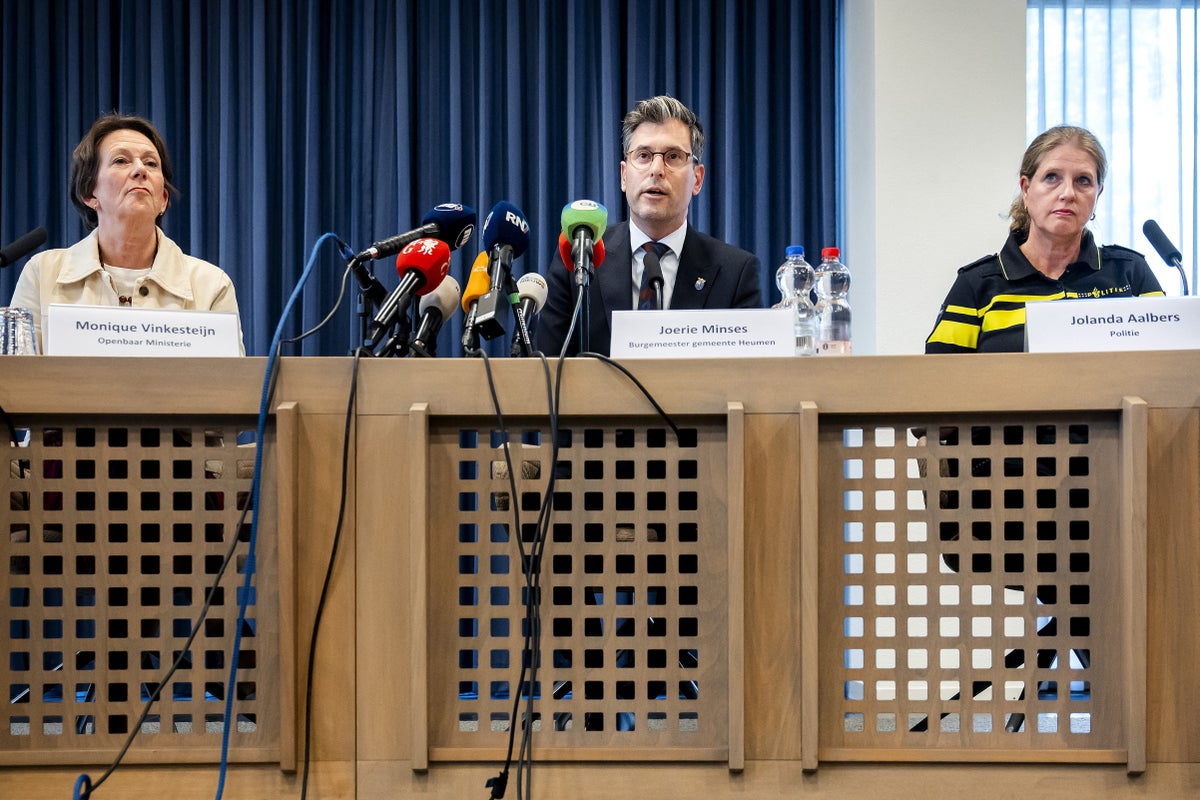
When local authorities arrived at the targeted house following reports of gunfire, they walked straight into an ambush. A syndicate of approximately 30 armed individuals—hiding in nearby cornfields and suburban backyards—opened fire on patrol units with automatic weapons. The scale of the deployment stunned regional police chief Jolanda Aalbers, who faced a tactical nightmare as officers were pinned down by superior firepower. Elite intervention units, known as the DSI, had to be scrambled alongside low-flying police helicopters to lock down regional motorways and cordon off the perimeter.
The geographic footprint of the suspects captured tells a grim story about the borderless nature of modern European organized crime. Among the 34 individuals detained by sunset were citizens hailing not just from the Netherlands, but from Belgium, France, and Algeria. These are mobile cells, contracted or deployed by continental drug cartels to enforce debts, execute rivals, and terrorize communities that happen to sit near logistics corridors.
The Anatomy of a Narco Corridor
To understand why a pastoral Dutch village became a war zone, look at a shipping map. The Netherlands houses some of the most critical maritime ports on the globe, chief among them Rotterdam and Antwerp just across the Belgian border. These ports serve as the primary entry points for massive shipments of cocaine originating from South America.
Billions of euros in illicit revenue flood these coastal entry points annually, distorting local economies and creating a hyper-violent shadow state. Over the past decade, this criminal ecosystem has metastasized. It has evolved from discreet, corporate-style smuggling rings into a brutal, decentralized network of violent freelancers.
The house targeted in Overasselt was a known flashpoint. Prosecutors confirmed that the very same property had been targeted in a shooting attack the previous year, resulting in two criminal convictions. Yet, despite knowing that the address was radioactive, local security architecture failed to prevent a small army from staging a return engagement. The criminals returned not to deliver a warning, but to execute an annihilation.
Security camera footage broadcast by De Telegraaf captured the chilling procession: dozens of men marching in lockstep, clad in dark clothing and ski masks, indifferent to civil order or municipal surveillance. They operated with the clinical detachment of paramilitary death squads.
The Myth of Rural Immunity
Rural communities in Western Europe have long harbored a quiet sense of exceptionalism. Violent crime is traditionally viewed as an urban pathology, confined to the housing projects of Amsterdam, Rotterdam, or Marseille. Small villages with winding lanes and historic churches are supposed to be immune to the syndicate wars.
That illusion died in the mud of Overasselt. Organized crime syndicates actively seek out rural properties for safe houses, drug labs, and stash locations precisely because they lack the heavy police saturation of major metropolitan centers. A quiet village offers anonymity, rural escape routes, and minimal civilian witnesses during the dead of night.
When syndicates clash over compromised shipments or stolen drug proceeds, the fallout spills directly onto country lanes. Residents awakened by the rattle of automatic gunfire found themselves trapped in a crossfire between cartel enforcers and state troopers.
National police chief Janny Knol labeled the assault "unprecedented", a sentiment echoed by politicians scrambling to project strength. Justice Minister David van Weel publicly declared that the state would not tolerate such blatant lawlessness.
Declarations of zero tolerance ring hollow when matched against structural realities. Law enforcement agencies across Western Europe are chronically outmatched by the liquidity and technological sophistication of cocaine cartels. Encrypted communication networks, counter-surveillance drone teams, and corruption within municipal logistics chains give criminal networks an operational edge that traditional policing struggles to blunt.
When 30 armed men can mobilize in a foreign country, execute a military-style hit, and attempt an organized extraction across multiple national borders within minutes, the problem transcends local policing. It represents a profound failure of continental security frameworks.
The 34 suspects sitting in interrogation rooms will face prosecution, and political leaders will pledge closer intelligence sharing between French, Belgian, and Dutch authorities. But the pipeline feeding the violence remains wide open. As long as maritime containers roll into European ports carrying multi-ton loads of narcotics, villages like Overasselt will remain vulnerable to the shadows of the global underworld.