Lloyd Grimshaw has stepped out from behind the curtain of a famously insular religious movement, using public hearings, podcasts, and media appearances to rebrand the Plymouth Brethren Christian Church—widely known as the Exclusive Brethren—while contesting allegations of covert right-wing political campaigning. Rather than retreating into silence as critics expect, Grimshaw has leaned into combative pushback against legacy outlets and parliamentary scrutiny, framing church members as ordinary citizens exercising private rights. That collision between an insular 19th-century sect and modern political media explains why a single spokesman's broadcasts carry outsized weight.
For decades, the group operated with deliberate opacity. Outsiders saw tight-knit communities, strict boundaries on worldly contact, and sharp scrutiny whenever elections neared. Now, a roughly 55,000-member global movement rooted in the teachings of John Nelson Darby is testing a very different posture: speaking directly to audiences across North America, Europe, Australia, New Zealand, and the United Kingdom while fighting accusations over political stunts and election activity. For a different view, consider: this related article.
Why an Insular Sect Turned Toward Public Broadcasts
Public relations rarely changes inside a closed community by accident. For years, conventional wisdom held that strict separation from mainstream culture meant avoiding microphones, cameras, and partisan crossfire.
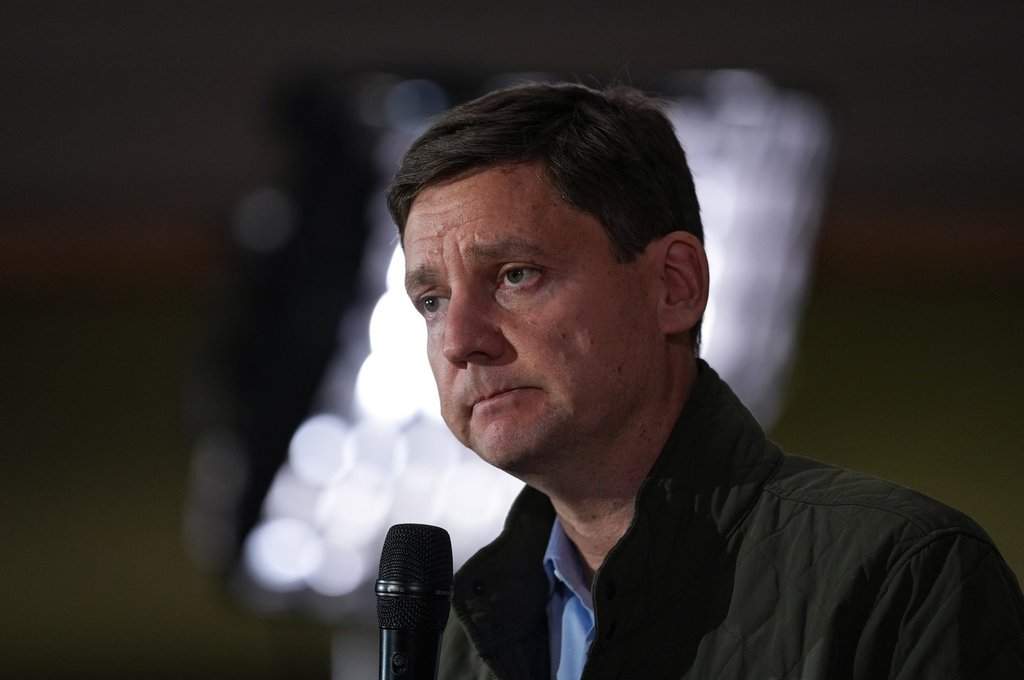
That calculus shifted under pressure. Intense media investigations, documentary scrutiny, and legislative inquiries turned the group's internal life and political footprint into public controversies. In August 2026, Grimshaw appeared before Australia's Joint Standing Committee on Electoral Matters inquiry into the 2025 federal election, flatly denying claims that the church paid far-right activists to stage election stunts or coordinated partisan campaigning. Around the same period, the church launched and expanded its podcast series, Behind the Plymouth Brethren – a not-so Exclusive podcast, hosted by Grimshaw with North American expansion announced in April 2026. Related insight on this matter has been published by Al Jazeera.
A movement built on separation faces a structural trap once outsiders treat its silence as proof of guilt: staying quiet concedes the narrative, while speaking risks exposing doctrines and disputes to hostile cross-examination.
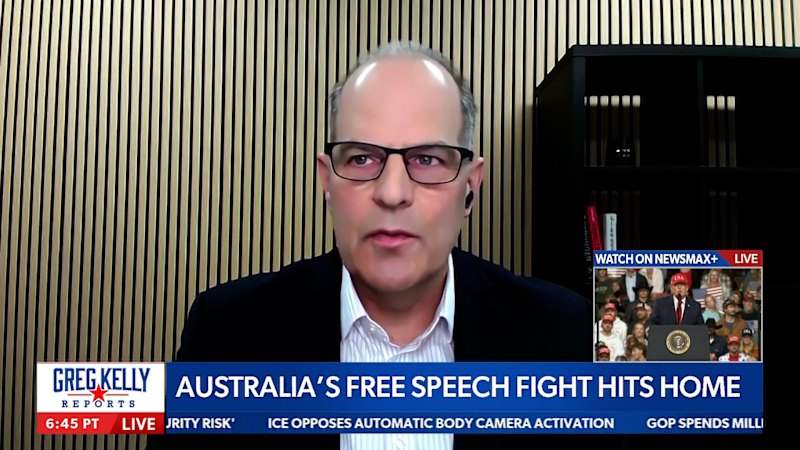
Consider a hypothetical media strategist advising a closed religious group during an election inquiry. The strategist might suggest placing friendly talking points on conservative television or opinion shows where hosts already distrust establishment critics and government committees. Whether an appearance lands on a right-leaning broadcast network, a parliamentary livestream, or an in-house podcast feed, the underlying goal is identical: bypass hostile intermediaries and speak directly to sympathetic or persuadable listeners.
In Grimshaw's own podcast commentary, cable television networks—spanning American outlets like CNN and Fox alongside Australian broadcasters like Sky News Australia and Channel 7—appear as reference points in how public narratives are shaped and contested. Right-wing media ecosystems in the United States and allied democracies often reward themes of religious liberty, anti-establishment pushback, and government overreach. When Grimshaw frames parliamentary questioning as collective guilt or a war on people of religious faith, that framing speaks a language familiar to conservative television audiences even when the underlying election dispute is local.
The Battle Over Election Stunts and Private Citizenship
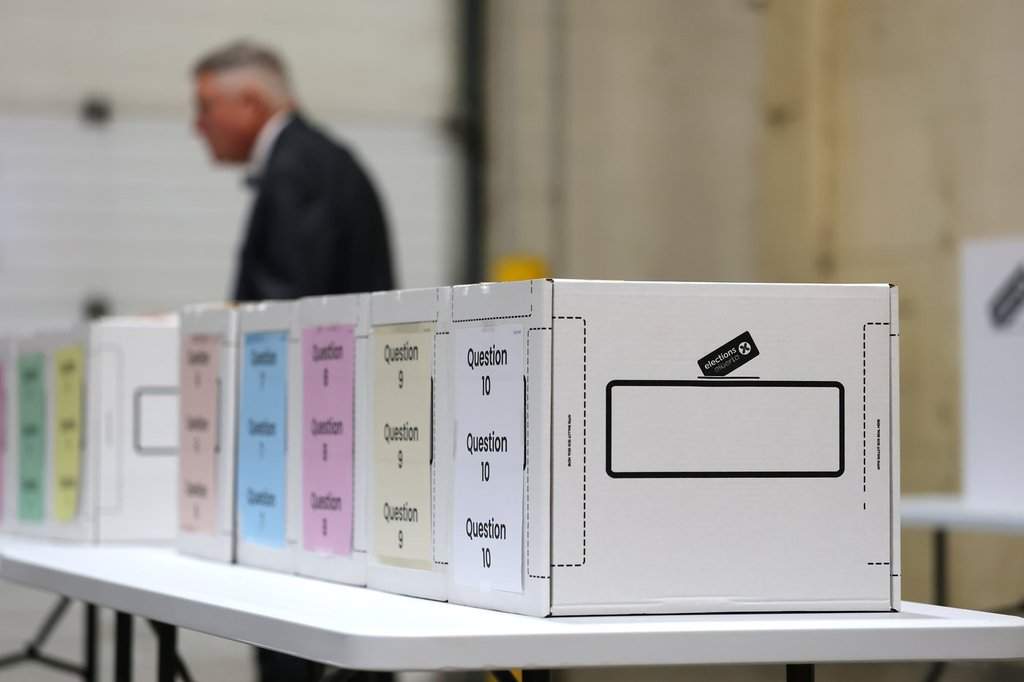
At the heart of the controversy is a sharp disagreement over where private citizenship ends and institutional influence begins. Critics and investigative reporters have pointed to political posters, campaign volunteers, and alleged activist funding around the 2025 Australian federal election as evidence of organized political intervention.
Grimshaw has rejected that characterization line by line. He has argued that the church neither funded nor coordinated political campaigning, insisted that individual members acting on their own time should not have their private democratic participation conflated with institutional policy, and pushed back hard against being labeled a "cult". Senior church leadership, including Bruce Hales, similarly denied directing, coordinating, or funding election activities during testimony before the inquiry.
What Investigators Look For Versus What Spokesmen Say
Evaluating claims like these requires separating institutional treasury and coordination from individual civic action. In modern campaign finance and electoral integrity probes, investigators look at bank trails, messaging threads, logistics, and coordinated messaging to see whether an organization acted as a third-party campaigner.
Spokesmen, by contrast, emphasize formal church rules, lack of official endorsement, and individual autonomy. Both sides can point to real friction. Critics note how tightly knit communities can share social cues and resources informally. Defenders note that attributing every action by a member—or every harsh headline in a rival outlet—to a central command treats believers as automatons rather than individuals.
The gray area is real and messy. When a group holds strong conservative social views and deep skepticism of certain political actors, alignment can emerge organically without a formal central order—or critics can overread loose connections into a grand conspiracy. Rigorous reporting has to test specific evidence rather than relying on either assumption.
Inside the Rebrand Strategy
Look closely at the programming and public messaging coming out of the church's media push, and a clear pattern emerges. It is not a theology lecture series. It is a normalization campaign built around relatable human stories.
- Everyday life and family: Episodes spotlight newlyweds, busy parents, and community history—including questions as mundane as why weddings happen on Tuesdays.
- Recovery and resilience: Guests speak candidly about overcoming alcoholism, surviving family upheaval, or navigating grief through faith and community support.
- Historical service: Segments highlight past generations of members who served in world wars, countering stereotypes of detachment or civic indifference.
- Direct media rebuttal: Separate "Correcting the Record" statements and clips challenge specific newspaper articles, parliamentary remarks, and television segments point by point.
Why pair personal recovery stories with aggressive media rebuttals? Because soft human-interest segments lower guardrails first. A listener who hears a candid story about sobriety or parenting feels less primed to view the speaker through a sensationalized lens when the next clip attacks a critical journalist or a parliamentary chair.
That dual track also explains why North American outreach matters. Expanding a podcast slate across North America introduces the church to audiences who may know little about Australian party politics, while reinforcing an international identity of more than 54,000 to 55,000 adherents across multiple continents.
Why Right-Wing Media Ecosystems Amplify These Clashes
Conservative television and talk media thrive on institutional conflict. Put a religious spokesman in front of a skeptical legislature or a legacy newspaper accused of bias, and the story fits a ready-made script: faith under fire from entrenched authorities.
Grimshaw's rhetoric leans directly into that dynamic. Describing parliamentary treatment as applying "collective guilt" to people of faith or accusing specific outlets of running a multi-year campaign turns a narrow dispute over election conduct into a broader cultural flashpoint. For right-wing commentators eager to highlight perceived bias in mainstream newsrooms or government committees, that framing is easy to amplify.
Yet leaning on sympathetic media ecosystems carries a catch. Friendly airwaves rarely subject a guest to forensic document examination, and defensive counter-attacks can alienate moderate observers who want straight answers on transparency and accountability. A spokesman can win a segment on cable or talk radio while still failing to persuade lawmakers or skeptical neighbors.
Practical Lessons for Watching Controversial Groups in the Media
When a closed or high-control religious group steps into partisan media battles, casual viewers often get pulled into binary shouting matches. A few disciplined habits cut through the noise:
- Follow the primary record over the clip: Read full inquiry transcripts, official statements, and named allegations rather than relying on ten-second soundbites edited for outrage.
- Distinguish doctrine, member conduct, and corporate entities: A church's public statements, its members' private political choices, and any incorporated entities or charities connected to a community are legally and analytically distinct.
- Watch the framing on both sides: Notice when critics slip from questioning political tactics to caricaturing an entire faith, and notice when spokesmen pivot from specific factual answers to broad grievances about media bias.
- Check for corroboration on money and coordination: Claims of covert funding or orchestrated stunts demand concrete evidence—records, testimonies, and verifiable timelines—rather than guilt by association.
Public visibility changes the rules for everyone involved. Once a quiet movement enters the broadcast arena, every microphone cuts both ways.