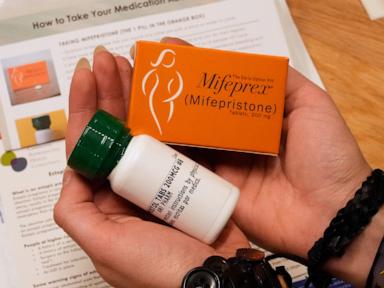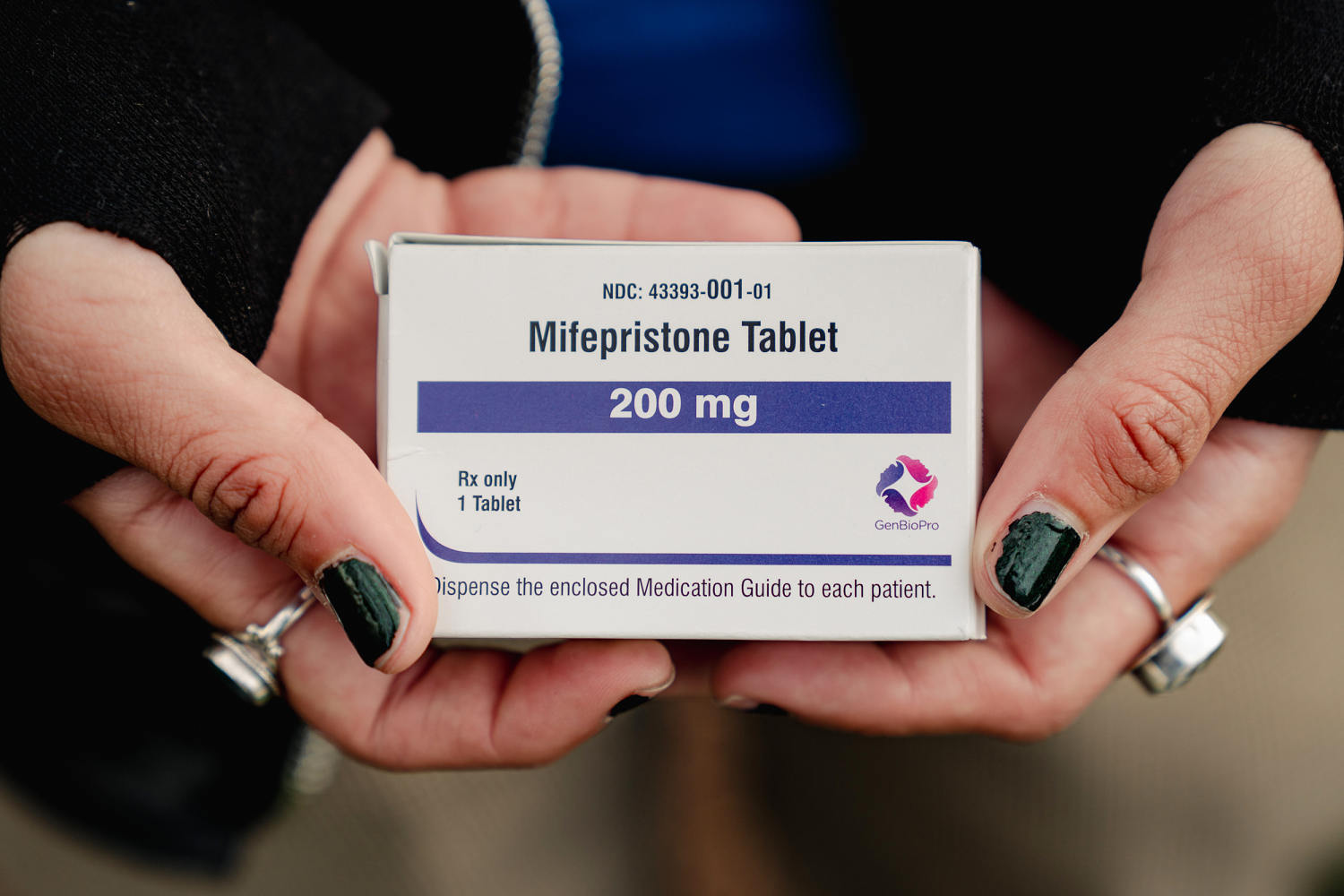
The United States Food and Drug Administration has formally informed a federal court that its ongoing, sweeping safety review of mifepristone—the primary medication used in medication abortions—will conclude with a final report no later than March 2027. This status report, submitted as part of ongoing litigation in Louisiana v. Food and Drug Administration, outlines a timeline that has thrust federal regulatory mechanics back into the center of the national debate over reproductive rights. According to official court filings, the agency expects preliminary results from its statistical safety study by December 2026 before publishing its formal evaluation in the spring.
For healthcare providers, legal scholars, and advocacy groups on both sides of the issue, this announcement is not merely a bureaucratic milestone. It represents a potential turning point for how millions of Americans access reproductive care.
The Mechanics of the Federal Review
At the core of the FDA's evaluation is a massive data-mining undertaking. The agency is utilizing TreeScan, a statistical tool applied to electronic medical databases such as the Sentinel System, to analyze outcomes for approximately 100,000 patients who underwent medication abortions using mifepristone. This cohort is being compared against a control group of patients who underwent surgical abortions through ten weeks of gestation.
The stated goal from regulatory officials is to examine post-marketing safety data and scan for any previously undetected adverse events. Concurrently, the agency is re-evaluating the Risk Evaluation and Mitigation Strategy (REMS) program associated with the drug. This includes scrutinizing the 2023 regulatory modifications that removed the historical in-person dispensing requirement, a change that allowed certified pharmacies to dispense the medication and facilitated the expansion of telemedicine-based abortion care.
Public health organizations and major medical associations have repeatedly pointed out that decades of real-world use and multiple peer-reviewed studies establish mifepristone as exceptionally safe, with serious adverse events occurring in a fraction of a percent of cases. Yet, the framing of the current federal review highlights the tension between established epidemiological consensus and administrative rulemaking under shifting political landscapes.
Divergent Pressures From Stakeholders
The announcement of the March 2027 deadline has drawn immediate, polarized reactions.
Anti-abortion organizations and conservative state attorneys general have criticized the timeline as protracted, arguing that the agency should move faster to reinstate stricter oversight or roll back the regulatory relaxations enacted in recent years. For these groups, the ongoing review validates long-standing arguments that previous administrative changes minimized potential health risks.
Conversely, reproductive rights advocates and legal defense organizations view the review with deep skepticism. They characterize the process as a politically influenced maneuver designed to build a pretense for restricting access to a medication that forms the backbone of more than half of all pregnancy terminations in the United States. Critics worry that any resulting changes to the REMS program could effectively ban or severely restrict mail-order distribution and telehealth access, even in states where abortion remains legal and protected.
What Lies Ahead for Prescription Access
As the December 2026 milestone for preliminary data approaches, the implications extend far beyond a single courtroom or regulatory desk. The intersection of federal drug safety administration and judicial mandates means that the final report due in March 2027 will likely serve as vital evidence in ongoing federal and state lawsuits.
If the analysis suggests alterations to the prescribing guidelines or distribution channels, pharmacies, clinicians, and patients across the country will face a new regulatory reality. Until then, mifepristone remains available under its current certified pharmacy and telehealth frameworks, while a watchful public awaits the final conclusions of the federal statistical review.