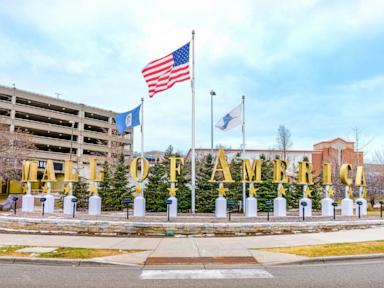
Federal law enforcement agents intercepted a chilling mass-casualty plot targeting the Mall of America, arresting an 18-year-old Minnesota resident. Sheikhdoon Abdullahi Mohamud of Richfield, Minnesota, faces federal charges after allegedly attempting to execute a mass shooting in support of ISIS. The case exposes the mechanics of modern domestic counterterrorism operations, undercover stings, and the persistent threat of online radicalization targeting high-traffic public spaces.
How the FBI Uncovered and Intercepted the Plot
The investigation into Mohamud didn't materialize overnight. Court documents reveal that federal authorities had been tracking digital communications involving the suspect for an extended period, dating back years before the arrest operation culminated in October 2026. Initially, investigators noted expressions of interest in traveling overseas to join extremist groups like al-Shabab. Over time, those aspirations shifted toward domestic violence.
In September 2026, the suspect explicitly communicated desires to target individuals he designated as non-believers, zeroing in on October 24 as a target date. That specific day coincided with a public gathering—a Hmong arts celebration hosted at the massive retail complex. By leveraging confidential sources and digital surveillance, federal handlers tracked the evolution of the threat from ideological chat rooms to operational planning.
The climax of the federal sting occurred when Mohamud arranged to acquire heavy weaponry. Undercover FBI personnel stepped into the supply chain, arranging a transaction for an AK-47 assault rifle, multiple high-capacity magazines, and hundreds of rounds of ammunition. Unbeknownst to the buyer, law enforcement rendered the firearm entirely inert before the exchange. When Mohamud handed over cash at a designated meet-up spot in a Richfield park, a SWAT team moved in instantly to secure the suspect and neutralize the immediate danger.
The Vulnerability of Soft Targets
Mass commercial spaces like the Mall of America represent a unique logistical nightmare for security planners. Millions of visitors pass through its corridors annually, turning open-access retail centers into classic "soft targets." Unlike airports or government installations with fortified perimeters, shopping malls rely heavily on behavioral profiling, private security patrols, and intelligence-led policing to prevent attacks.
When domestic actors become radicalized online, they often exploit the open architecture of these public venues. Federal officials emphasized that early intervention remains the primary defense line against lone-wolf style plots. By interdicting weapons procurement phases through controlled sting operations, the Joint Terrorism Task Force aims to neutralize threats long before a suspect ever steps foot near a crowded venue.
Legal Fallout and Court Proceedings
Following his apprehension, Mohamud made his initial appearance in a St. Paul federal courtroom, wearing a yellow detention uniform. Represented by the federal public defender's office, the defendant stated he lacked employment, assets, or property. Prosecutors filed a criminal complaint charging him with knowingly receiving a firearm and ammunition to commit a federal crime of terrorism.
Subsequent detention hearings brought additional troubling details to light, including allegations that the teenager resisted arrest violently during the tactical sweep. Federal magistrates ordered him held without bail as the case proceeds toward grand jury indictment and trial.
The thwarted attack highlights an ongoing reality for domestic security agencies. Online propaganda networks continue to reach isolated youth, turning digital echo chambers into physical battlegrounds. While this particular operation ended with a successful pre-emptive arrest, the case serves as a stark reminder of the constant vigilance required to safeguard public spaces.


