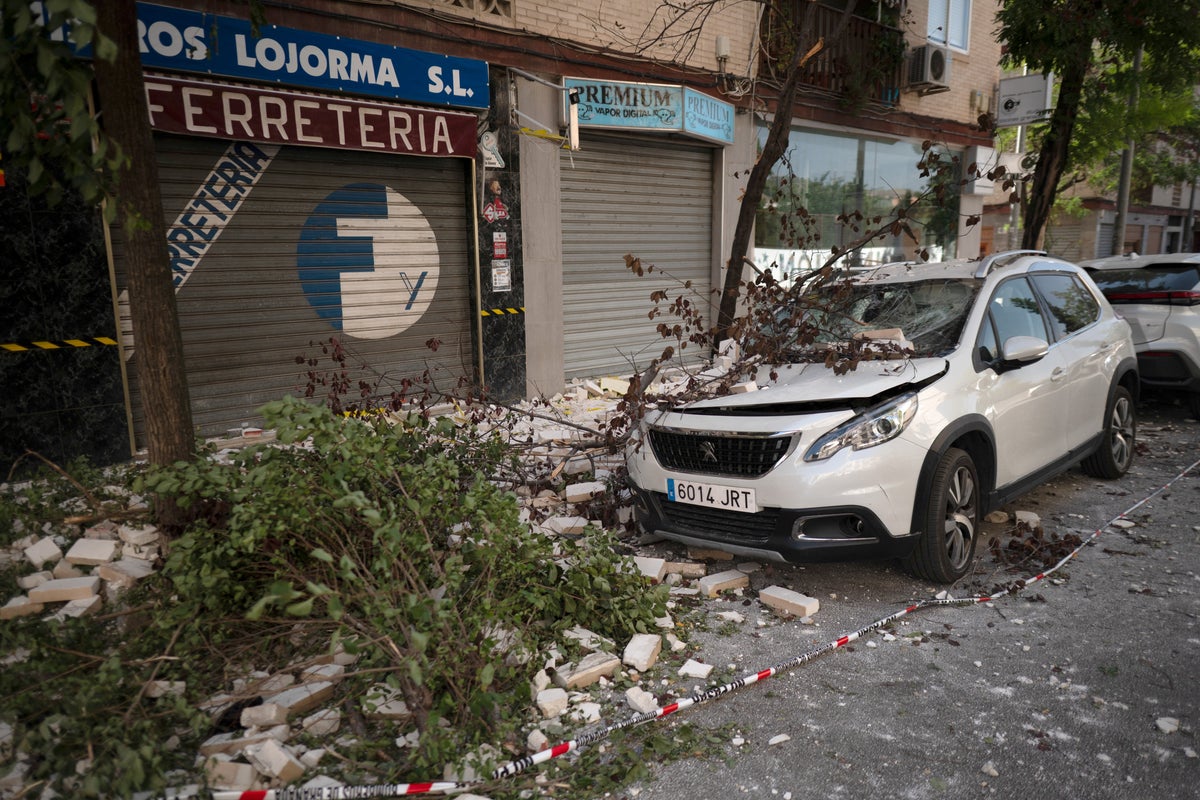
More than 600 people woke up to displaced lives and structural chaos after a relentless sequence of underground tremors fractured the architectural foundations of Granada, Spain.
When a 4.8-magnitude earthquake struck near Alhendín, it did more than simply rattle windows across the Andalusian tourist hub. It triggered an emergency evacuation of hundreds of residents from apartment blocks in Las Gabias, while UNESCO-listed heritage sites like the Alhambra faced immediate precautionary lockdowns.
Yet, treating these events as an isolated freak occurrence misses the deeper geological reality of southern Iberia. Beneath the whitewashed walls and historic plazas lies an active tectonic collision zone that demands a complete re-evaluation of how urban centers manage persistent seismic risk.
The Mechanics of a Seismic Swarm
Most casual observers picture earthquakes as singular, catastrophic events followed by a predictable cooling-off period of minor aftershocks. The reality in Granada is far more complex. Geologists classify what happened in mid-August as a seismic swarm, a phenomenon defined by hundreds of concentrated, moderate tremors clustering over a compressed timeline.
According to data from Spain's National Geographic Institute (IGN), nearly 500 individual shakes hammered the region within a matter of days.
- Gradual Energy Release: Unlike a single major fault rupture that instantly expends massive amounts of energy, a swarm acts as a slow-pressure valve.
- Cumulative Fatigue: Constant, lower-magnitude rocking induces structural fatigue in masonry, weakening mortar joints long before any single wall collapses.
- Psychological Toll: Living through dozens of rolling jolts creates a chronic state of hyper-vigilance among residents, pushing emergency services to handle hundreds of anxiety-related calls.
Experts from the Official College of Geologists have pointed out that this behavior remains technically within normal statistical parameters for the region's fault network. However, "normal" geology does not automatically mean "safe" architecture.
The Vulnerability of Historic Infrastructure
Granada's charm relies heavily on its historic architecture, yet centuries-old masonry forms the frontline of disaster vulnerability. Unreinforced brick, heavy stone cornices, and rigid old-world framing do not absorb lateral shear waves well. When the ground accelerates horizontally, unanchored decorative elements turn into falling hazards.
Emergency crews cordoned off numerous streets not because entire high-rises pancaked, but because facade degradation posed an immediate threat to life below. The Alcazaba fortress within the Alhambra complex required rapid evacuation to protect visitors from shifting stonework.
Municipal authorities face an uncomfortable compromise. Retrofitting a medieval city with modern base-isolation pads or carbon-fiber reinforcement is financially prohibitive and aesthetically controversial. Heritage preservation laws often clash directly with modern seismic engineering standards, leaving historical tourist hotspots perpetually exposed to medium-intensity threats.
Emergency Response Realities
When the ground moves repeatedly, emergency protocols face severe operational stress. The deployment of advanced command posts and regional coordination units highlights the speed of modern bureaucratic reaction, but the friction points remain visible on the ground.
Local fire brigades worked continuously to pull down unstable chimneys, clear blocked alleyways, and secure dangling balconies. Evacuating hundreds of citizens into temporary public shelters strains local resources, particularly during peak tourism seasons when hotels and rental capacities are already saturated.
The political leadership has leaned heavily on reassurance, emphasizing that structural damage was largely localized and casualties were kept to minor injuries. Still, public messaging must walk a thin line between preventing widespread panic and ensuring citizens take falling debris warnings seriously. Downplaying minor cracks can lead to fatal complacency when subsequent aftershocks hit unexpectedly in the dead of night.
The ground beneath Andalusia continues to adjust, reminding planners that heritage tourism and active tectonic fault lines share an uneasy coexistence that requires far more than temporary evacuations to manage effectively.