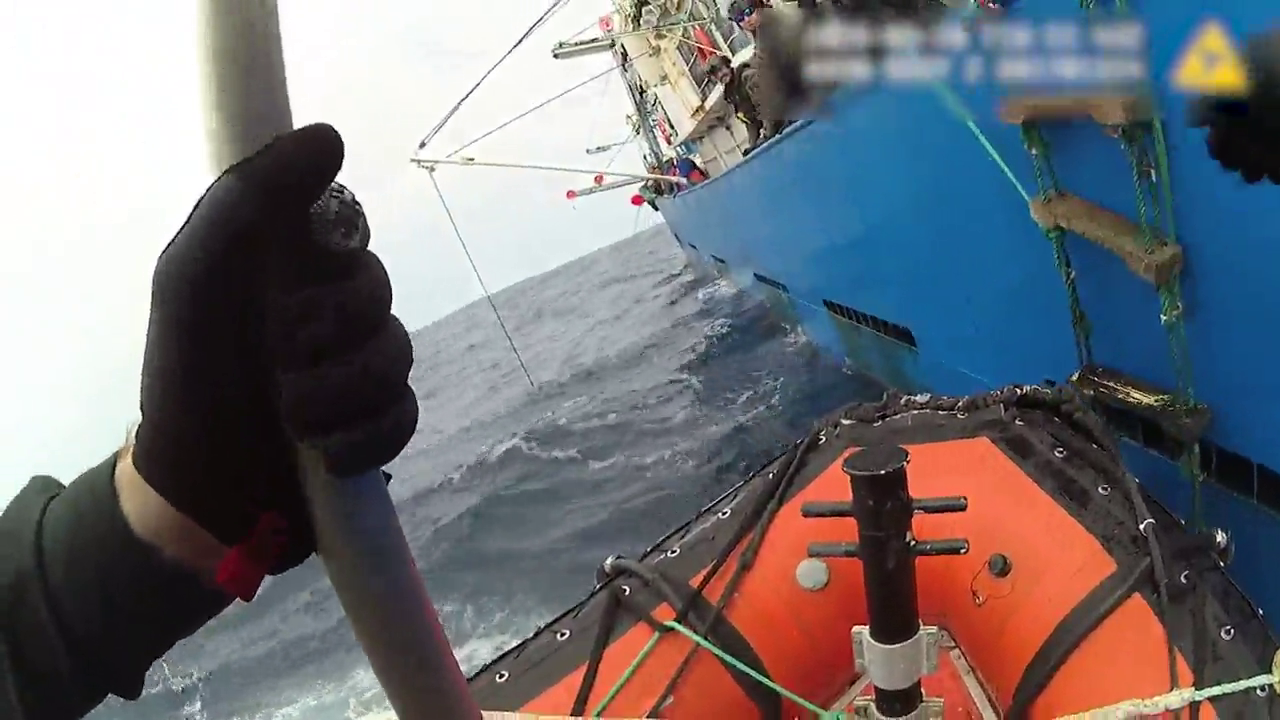
Out on the vast, indifferent blue of the North Pacific, law enforcement is a game of millimeters on a multi-million-square-kilometer chessboard. When Fisheries and Oceans Canada fishery officers wrapped up their latest multi-month deployment under Operation North Pacific Guard, the findings were as predictable as they were grim. Boarding teams inspecting international vessels on the high seas flagged 52 potential violations of international fisheries requirements, prominently featuring illegal shark finning, prohibited gear deployment, and systemic catch misreporting.
This is not merely a bureaucratic paperwork failure on distant waters. It represents an escalating crisis of illegal, unreported, and unregulated fishing that treats the open ocean as a lawless extraction zone.
The Anatomy of High Seas Impunity
To understand how commercial vessels continue to butcher sharks for their fins thousands of miles from the nearest coastline, one must understand the geographic vacuum of the high seas. Waters beyond any single nation's two-hundred-nautical-mile exclusive economic zone operate under a fractured patchwork of Regional Fisheries Management Organizations. Enforcement relies heavily on the willingness of flag states—the countries where vessels are legally registered—to police their own fleets. Many do not, or cannot.
Vessels engaging in illegal shark finning frequently employ sophisticated evasion tactics. Transponders go dark. Catch logs are systematically falsified. Sharks are hauled aboard, stripped of their most valuable appendages, and the mutilated carcasses are dumped back into the ocean before federal inspectors can ever set foot on deck.
[Target Acquired] -> [Transponder Disabled] -> [Illegal Extraction] -> [Carcass Dumping]
This practice maximizes cargo space for high-value contraband while minimizing visible evidence. By the time a Canadian Coast Guard vessel or an allied patrol plane spots a suspect ship, the physical proof has often settled thousands of meters deep into the abyss.
Beyond the Fins: The Multilateral Dragnet
The recent data from Operation North Pacific Guard highlights a wider spectrum of maritime lawbreaking than just targeted shark poaching. Aerial surveillance patrols operating out of Hokkaido, Japan, tracked hundreds of vessels, catching operators red-handed in environmental dumping, unauthorized gear usage, and even the illegal killing of dolphins.
The integration of assets from the United States Coast Guard, the National Oceanic and Atmospheric Administration, the Japan Fisheries Agency, and Canadian enforcement personnel has transformed these deployments from token patrols into rigorous intelligence-led operations.
Yet, every violation caught represents a fraction of a percent of total illicit activity. The ocean is simply too vast. A single patrol ship covering thousands of kilometers of open water is akin to a single police cruiser monitoring an entire continent with no highway cameras.
The Blind Spots of Global Seafood Supply Chains
The ultimate driver behind these high-seas violations sits thousands of miles away in consumer markets. Shark fins feed an underground global trade network fueled by persistent demand. As long as global seafood supply chains remain opaque, allowing legally caught fish to comingle with illicitly harvested species at transshipment points, poachers will find it economically viable to run the risk of interception.
International oversight agreements require flag states to penalize rogue operators, but diplomatic friction often stalls accountability. When a vessel flying a foreign flag is caught with prohibited gear or mutilated marine life, the enforcement mechanism stalls out at the border of geopolitics. Penalties depend entirely on whether distant capitals possess the political will to strip licenses or levy crushing fines.
Until the international community treats high-seas fisheries enforcement with the same gravity as terrestrial border security, patrols like those conducted by DFO will remain a vital, yet perpetually outnumbered, line of defense against the systematic stripping of the world's oceans.