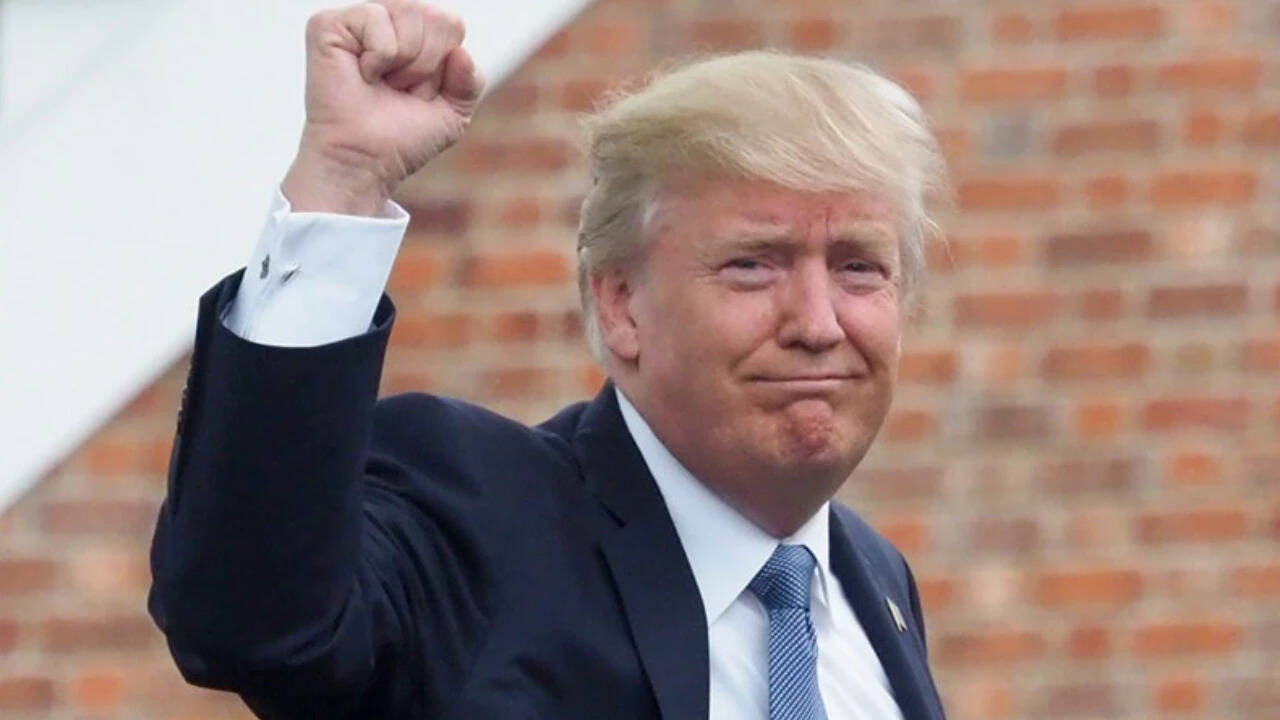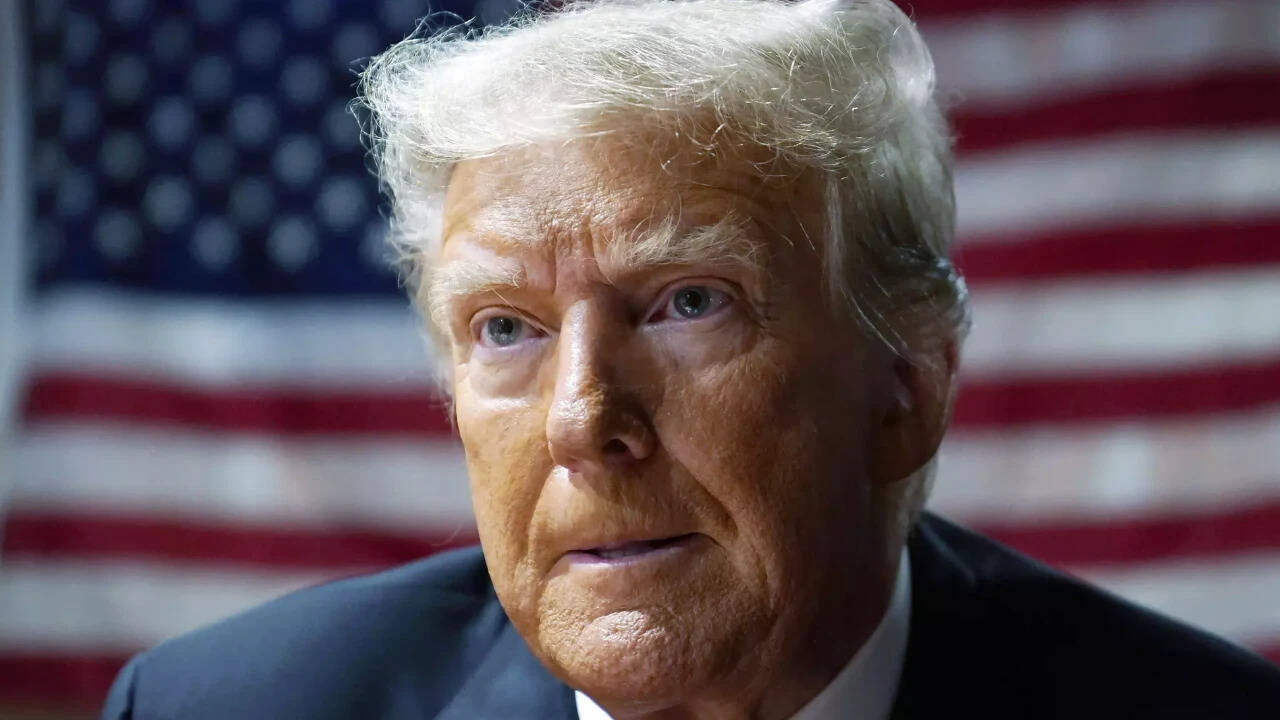
When Donald Trump sat down with 60 Minutes and suggested that certain immigration enforcement tactics had gone too far, political observers across Washington did a double take. For a leader whose entire modern political identity was forged on hardline border security, acknowledging that a policy might be "too tough" signals more than a stray remark; it reveals a fierce internal tug-of-war over the political limits of mass enforcement.
That single admission exposes the central tension defining the administration's domestic agenda. On one side sits the populist base demanding uncompromising deportations and sweeping workplace raids. On the other stand swing-state voters, agricultural lobbyists, and suburban moderates whose stomachs turn at images of families being separated or long-term community members hauled off in handcuffs. Understanding what happened in that broadcast requires looking past the soundbites and examining the cold, hard math of political survival and operational reality. Also making headlines recently: Why Trump Calling Xi and Putin About Tehran Is a Dangerous Illusion.
The Anatomy of a Rare Concession
Politicians rarely admit overreach, and Trump almost never does. Throughout his campaigns and time in office, his brand relied on projecting relentless strength, framing any retreat as weakness. Yet during the 60 Minutes exchange, the tone shifted when the conversation turned to the human collateral of aggressive enforcement sweeps.
Why bend now? The answer lies in polling data that has quietly alarmed Republican strategists for months. While voters consistently give Trump high marks for securing the southern border and halting illegal crossings, support drops precipitously when enforcement moves from the border wall into the American interior. Americans want order at the gates. They become deeply uncomfortable when federal agents start kicking down doors in quiet neighborhoods or raiding local businesses that have operated for decades. Additional information into this topic are detailed by NPR.
Strategists inside the West Wing understand this distinction intimately. A policy that plays well at a rally in a border town can become toxic in suburban Pennsylvania or Michigan. By floating the idea that some measures were overly harsh, Trump attempted a classic political maneuver: absorbing the criticism himself before his opponents could weaponize it, effectively trying to recalibrate the narrative without formally abandoning his core promise.
The Operational Wall Nobody Talks About
Beyond the politics, there is a logistical reality that television pundits routinely ignore. You cannot simply flip a switch and deport millions of people. The federal government lacks the detention beds, the immigration judges, the transport aircraft, and the diplomatic agreements with receiving countries to execute the kind of sweeping, indiscriminate removal operations often promised on the campaign trail.
When an administration pushes Immigration and Customs Enforcement (ICE) to maximize arrest numbers at all costs, the agency naturally targets the easiest people to find. They do not go after elusive cartel operatives hiding in the shadows. They go after people who show up to their regular check-ins, pay taxes using individual taxpayer identification numbers, and work predictable shifts at meatpacking plants or construction sites.
The Optics Trap
This operational shortcut creates an immediate public relations disaster. Television cameras inevitably capture local business owners weeping as their best workers are led away, or children coming home from school to an empty house. Even voters who consider themselves strict law-and-order conservatives begin questioning the priorities of a system that expends massive federal resources removing a drywall installer with no criminal record while violent offenders remain free due to court backlogs.
The 60 Minutes interview highlighted this exact friction. When pressed on the collateral damage of indiscriminate sweeps, the defense of "law and order" suddenly sounds hollow against the reality of shattered communities. The administration found itself trapped by its own rhetoric, forced to defend outcomes that even its allies privately admitted were politically unsustainable.
Economic Blowback from the Heartland
If you want to know who really prompted a softer tone on immigration enforcement, follow the money straight to the American heartland. Long before mainstream media outlets began dissecting the 60 Minutes transcript, agricultural associations, hospitality executives, and construction industry leaders were burning up the phone lines to Capitol Hill and the White House.
These are not progressive activists. Many of them are reliable Republican donors who backed Trump's economic deregulation and tax policies. Yet their businesses rely heavily on immigrant labor, much of it undocumented or operating in legal gray areas. When aggressive enforcement sweeps hit rural counties, crops rot in the fields, dairy farms struggle to milk their herds, and housing developments grind to a halt.
The Inflation Connection
Economists across the ideological spectrum have warned about the direct link between labor supply shocks and consumer prices. Consider a hypothetical example to illustrate how this plays out in the real economy. Suppose federal agents conduct a massive raid on a regional poultry processing plant in the Midwest, removing forty percent of the workforce overnight. The company cannot simply hire local replacements at the same wage because the local labor pool is already tapped out. To attract new workers, the plant must dramatically raise wages, cut production volume, or both. Within weeks, those increased costs flow directly to grocery store shelves in the form of higher prices for chicken and eggs, fueling the exact inflation that voters hired the administration to stop.
Industry lobbyists made this exact argument behind closed doors. They pointed out that you cannot simultaneously promise to lower grocery prices and deport the people who harvest and process the nation's food. The subtle pivot during the 60 Minutes broadcast was, in large part, a signal to these nervous business constituencies that the administration heard their warnings and would avoid scorched-earth tactics that wreck local economies.
The Factional War Inside the White House
Every administration has internal rivalries, but the battle over immigration policy has been unusually brutal. On one side stand the ideological purists, led by hardline policy architects who view immigration not merely as an economic or legal issue, but as an existential cultural threat. For this faction, any compromise, any exception, and any softening of rhetoric is seen as treason to the movement.
On the other side sit the pragmatists—campaign veterans, economic advisors, and congressional liaisons who care primarily about winning the next election and passing legislation. They look at demographic trends, swing-district math, and business sentiment. They recognize that purity tests lose general elections.
Navigating the Whiplash
This internal tug-of-war explains the erratic, often contradictory messaging that has characterized the administration's approach. One week, officials announce sweeping new restrictions and boast about record arrest numbers. The next week, the president sits down for a high-profile network interview and muses that perhaps the enforcement apparatus has been a bit too heavy-handed.
For career officials inside the Department of Homeland Security, this whiplash is exhausting. Field agents and regional directors are left guessing which signal represents actual policy and which is merely political theater. Should they prioritize high-volume workplace raids to satisfy the hardliners, or should they quietly scale back interior enforcement to avoid generating the kind of negative headlines that prompt presidential walk-backs on national television? Without clear, consistent directives, enforcement becomes arbitrary, depending heavily on which faction currently holds the upper hand in the West Wing.
The Media Chess Match
Choosing 60 Minutes as the venue for this nuanced shift was no accident. Trump has long maintained a volatile, love-hate relationship with legacy broadcast networks, frequently attacking them as biased while simultaneously craving the massive, mainstream audience they command. Cable news channels preach to the converted; 60 Minutes reaches millions of independent, older, and undecided voters who do not spend their evenings scrolling political social media.
By floating a more measured tone on a Sunday evening broadcast, the administration bypassed the partisan filter of conservative media and spoke directly to the political center. The strategy was clear: reassure anxious moderates that the administration possesses empathy and common sense, while trusting that the loyal base would dismiss the remarks as mere media posturing or blame the editors for taking comments out of context.
The Risk of Losing the Base
Yet this balancing act carries immense peril. Populist movements thrive on certainty and moral clarity. The moment a leader begins introducing nuance into a signature issue, cracks appear in the coalition. Hardline commentators immediately pounced on the interview, warning that any retreat from maximum enforcement would depress turnout among core supporters who view border security as a non-negotiable litmus test.
History offers plenty of cautionary tales for Republican presidents who tried to moderate on immigration. George W. Bush watched his second-term domestic agenda implode when his push for comprehensive reform alienated his own party's base. Trump has spent a decade avoiding that trap by positioning himself as the ultimate hardliner. Admitting that any piece of his enforcement strategy might be "too tough" strips away a layer of that carefully constructed armor.
What Toughness Actually Looks Like
The deeper tragedy of the American immigration debate is that "toughness" is almost always measured by the cruelty or spectacle of enforcement rather than the competence of the system. Staging dramatic raids with tactical gear makes for gripping television footage, creating the illusion of decisive action. Meanwhile, the unglamorous work of fixing the underlying structural failures remains largely ignored.
True enforcement requires mundane, expensive investments that rarely generate applause lines at political rallies. It means hiring thousands of additional asylum officers and immigration judges so cases are adjudicated in weeks rather than seven years. It means upgrading tracking technology at ports of entry where the vast majority of illicit fentanyl actually enters the country, rather than focusing exclusively on desolate stretches of desert. It means creating legal, regulated pathways for seasonal workers so businesses do not have to rely on an underground labor market to survive.
Until Washington confronts those structural realities, presidents will remain trapped in the same endless cycle. They will campaign on uncompromising toughness, collide with the harsh economic and humanitarian consequences of mass enforcement, and eventually find themselves sitting under hot studio lights, trying to explain to the country why their own policies went too far.