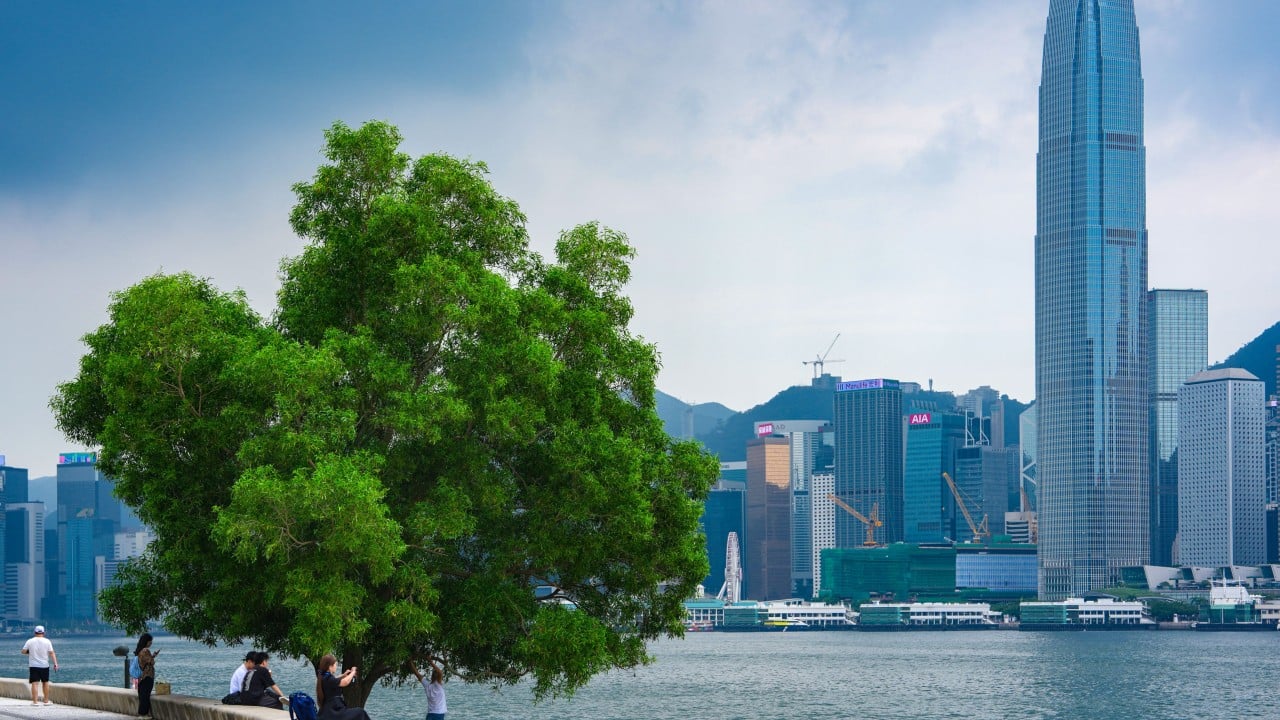
Chinese firms driving the global green technology expansion find their international ambitions anchored directly to Hong Kong financial infrastructure, where senior bankers and regulatory architects are managing a massive influx of capital, cross-border listings, and sustainable asset structuring. This reliance on the city's common law system and offshore liquidity pools is not merely a matter of convenience; it is an absolute necessity for mainland manufacturers seeking to bypass mounting protectionist walls and deploy electric vehicles, solar infrastructure, and advanced energy storage systems worldwide.
Having spent decades watching financial corridors shift across the region, I recognize the familiar pattern of mainland industrial might seeking an international translator. Yet the current pivot toward sustainable assets carries entirely different stakes. Beijing’s industrial policy has successfully manufactured an overwhelming global surplus of photovoltaic cells, wind turbines, and lithium-ion batteries. The domestic market can no longer absorb this staggering output. The excess must find homes abroad, or domestic profit margins will collapse under the weight of severe overcapacity.
Enter the Special Administrative Region.
Senior debt underwriters and institutional arrangers in Central tell a consistent story. Mainland enterprises possess unmatched technical sophistication and cost advantages in green hardware, but they lack the international legal wrappers, credit ratings, and cross-border currency mechanisms required to finance large-scale deployment in emerging markets or Western-aligned territories. Hong Kong provides that missing translation layer.
The Mechanics of the Superconnector
The city's financial apparatus functions through specific regulatory and liquidity channels designed to absorb mainland carbon assets and re-export them as investable products. Consider how green and sustainable bond issuances operated over the past fiscal cycle. Hong Kong arranged roughly forty billion dollars in related bonds, capturing a massive share of the Asian market total. This capital pool relies heavily on offshore renminbi liquidity pools that allow mainland firms to raise funds without triggering strict capital controls back home.
At the same time, institutional arrangers face a growing bottleneck. Finding projects with genuinely strong, reliable risk-adjusted returns remains an uphill battle. Many international institutional investors demand rigorous environmental, social, and governance disclosures that conflict with standard mainland reporting metrics. Bridging this disclosure gap requires third-party verification agencies, specialized fintech platforms, and legal frameworks rooted in English common law.
A senior debt capital markets director in the financial district, speaking on condition of anonymity due to internal compliance restrictions, put it bluntly during a recent briefing.
"We are seeing a massive queue of industrial giants wanting to list or issue transition debt," the director noted. "They have incredible factories and proprietary battery tech. But when a European pension fund or a sovereign wealth fund in the Middle East looks at the term sheet, they want predictable dispute resolution and ironclad transparency. Hong Kong supplies that trust infrastructure. Without it, these mainland firms are just shouting into an empty room."
Navigating the Bankability Trap
The structural hurdles extend far beyond simple debt issuance. Developing economies represent the largest growth frontier for renewable adoption, yet these nations routinely suffer from acute capital scarcity and high borrowing costs. To solve this friction point, regional stakeholders recently unveiled initiatives like the Green Accelerator platform during financial forums in the city.
This non-profit mechanism attempts to resolve the persistent bankability gap plaguing green projects across the Global South. By deploying philanthropic capital for early-stage project preparation and technical assistance, the platform transforms raw industrial hardware into structured portfolios that satisfy the stringent risk criteria of multilateral development banks.
For a hypothetical battery storage manufacturer based in Shenzhen, navigating this ecosystem means moving away from direct, high-risk bilateral sales toward structured, multi-party project finance. Instead of shipping containers of lithium cells directly to a financially unstable utility in South Asia, the manufacturer partners with regional arrangers who bundle the hardware procurement with concessional loans, political risk insurance, and third-party performance guarantees. Hong Kong institutions act as the master orchestrators of these complex financial engineering feats.
The Governance Reckoning
Despite the surging volume of environmental, social, and governance funds operating out of the territory—with assets under management pushing past historic highs—internal pressures are mounting. Expanding capital deployment at this velocity introduces severe institutional strain.
Mainland brokerage subsidiaries and commercial lenders are scaling up their foreign footprints at a breakneck pace, increasing their combined asset holdings significantly over the past year. Yet hiring senior traders and investment bankers is infinitely faster than building out a resilient control culture. Global financial institutions spent decades absorbing regulatory punishments, crisis cycles, and compliance failures to construct their current risk frameworks. Mainland firms attempting to compress that evolutionary timeline into a few years face genuine operational vulnerabilities.
Recent regulatory scrutiny surrounding major mainland securities houses highlights the pressing need to ensure that compliance infrastructure keeps pace with aggressive balance-sheet expansion. When an institution scales its green finance portfolio by billions of dollars, a single oversight in supply chain tracing or carbon credit verification can trigger international sanctions or reputational damage that takes years to repair.
The path forward for these industrial titans depends entirely on whether local intermediaries can enforce strict international compliance without choking the speed of capital deployment. Hong Kong remains the ultimate testing ground for this grand experiment, balancing the raw manufacturing might of the mainland against the unforgiving standards of global capital markets



