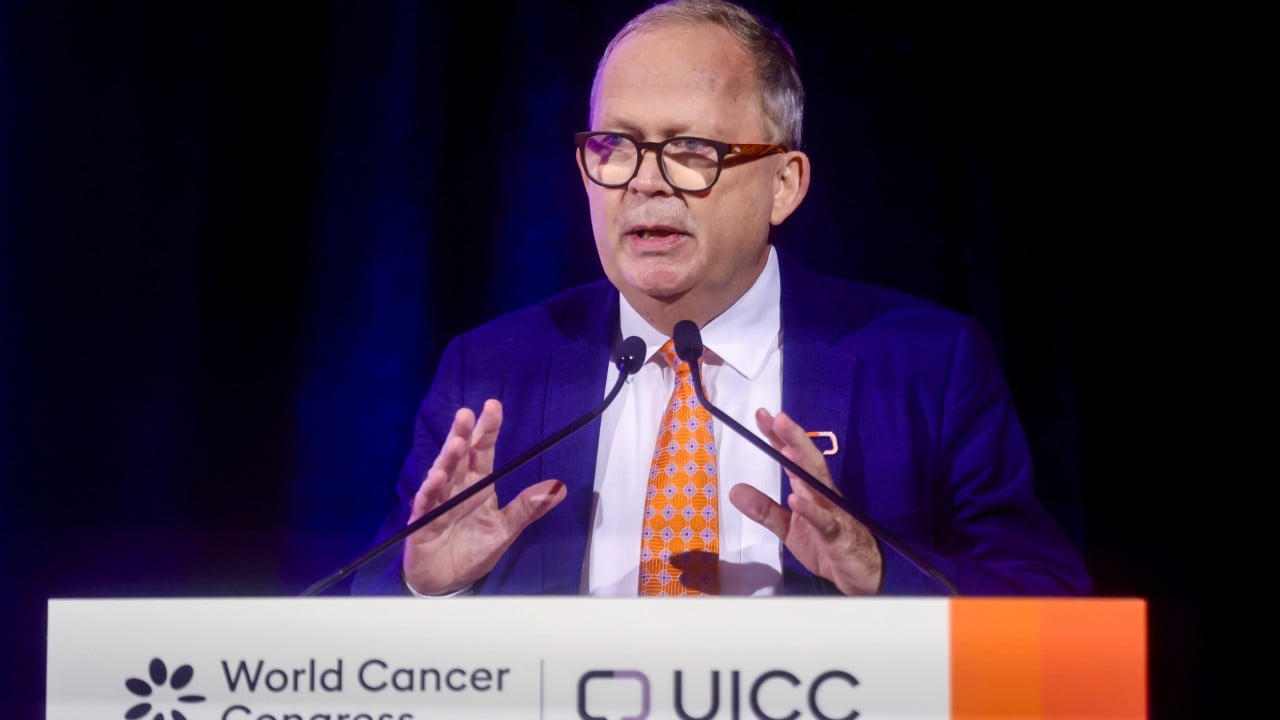
Hong Kong is quietly transforming into an influential epicentre for oncology research, drawing intense global scrutiny from pharmaceutical giants, venture capital syndicates, and academic powerhouses alike. Behind the glossy announcements of international grants
How Hong Kong Cancer Research Became a Quiet Global Powerhouse
health, news
Hong Kong cancer research has quietly transformed from a regional academic backwater into an elite international clinical powerhouse, driven by institutional funding, cross-border integration, and early clinical trial acceleration. While major Western medical centers grapple with bureaucratic drag and funding bottlenecks, laboratories across the territory have carved out a distinct competitive advantage in oncology, particularly in nasopharyngeal carcinoma, liver cancer, and liquid biopsy diagnostics.
For decades, the global scientific community looked primarily to Boston, London, and Houston for breakthrough oncology pipelines. That geographic monopoly is fracturing. The structural shift did not happen by accident. It is the result of aggressive capital injection, specialized patient demographics that provide high volumes of specific oncological data, and regulatory reforms designed to speed up the translation of bench discoveries into bedside trials.
The Structural Drivers Behind the Surge
Medical research does not thrive on talent alone; it requires infrastructure, population-scale data access, and a frictionless pathway from laboratory hypothesis to clinical application. Hong Kong possesses a unique confluence of these elements.
The territory's public healthcare system, managed by the Hospital Authority, acts as a centralized repository for patient data. Because over ninety percent of the population utilizes public hospitals, research institutions have access to massive, longitudinal health records. When researchers investigate specific tumor mutations or treatment outcomes, they draw from a unified pool rather than fragmented private networks. This scale reduces selection bias and accelerates recruitment for clinical trials.
Financially, the government has moved past historical reluctance to fund high-risk biotechnology. Initiatives such as the InnoHK research clusters have funneled billions of dollars into establishing specialized laboratories, bringing elite international scientists into joint ventures with local universities like the University of Hong Kong and the Chinese University of Hong Kong.
Furthermore, proximity to mainland China changes the operational equation. The Greater Bay Area initiative allows Hong Kong institutions to collaborate with mainland clinical centers, tapping into massive patient cohorts that are virtually impossible to assemble in smaller Western nations. When a rare oncology trial needs hundreds of verified mutant profiles within weeks, this cross-border pipeline delivers.
Where Hong Kong Leads the World
Not all cancer research carries equal weight. Institutions in the territory have deliberately chosen to focus on pathologies that are either endemic to East Asia or historically underserved by major pharmaceutical companies based in the United States and Europe.
Nasopharyngeal carcinoma is a prime example. Once known colloquially as the "Cantonese cancer" due to its high prevalence in Southern China and Hong Kong, Western drug developers largely ignored it because of low domestic patient numbers. Local researchers took ownership of the disease. They mapped its viral etiology linked to the Epstein-Barr virus, developed sensitive screening methods using plasma DNA, and pioneered targeted immunotherapies that have fundamentally changed survival curves.
Liquid biopsy technology represents another domain of dominance. Traditional tissue biopsies are invasive, expensive, and difficult to repeat frequently during treatment monitoring. Hong Kong scientists have led the refinement of circulating tumor DNA detection methods. By analyzing minute fragments of cancer DNA shed into the bloodstream, clinicians can detect recurrence months before it shows up on an imaging scan. This precision has shifted the paradigm from reactive treatment to proactive surveillance.
Phase one clinical trials in Hong Kong have also earned a reputation for speed and rigorous data integrity. International pharmaceutical firms increasingly choose local hospitals to run early-stage trials because regulatory approval processes through the Department of Health are streamlined compared to the protracted timelines seen at the United States Food and Drug Administration or the European Medicines Agency.
The Hidden Vulnerabilities
Yet, celebrating these achievements without acknowledging systemic vulnerabilities would be journalistic malpractice. The research ecosystem faces severe headwinds that threaten to cap its upward trajectory.
Brain drain remains an acute threat. While funding packages for laboratories have expanded, the broader sociopolitical and economic climate in Hong Kong has prompted many mid-career clinician-scientists to relocate to Singapore, the United States, or the United Kingdom. Clinical research relies heavily on institutional memory and senior leadership. When top-tier principal investigators depart, entire lines of investigation stall or collapse.
Geopolitical friction also casts a long shadow over international grants and academic exchanges. As scientific cooperation between the United States and China grows increasingly fraught, Hong Kong laboratories find themselves caught in the middle. Collaborative grants face heightened scrutiny, and securing dual-nation talent becomes more complex. If Western institutions begin to freeze out joint projects involving Hong Kong universities due to compliance fears, the territory risks losing access to critical global funding pools and proprietary technologies.
There is also the domestic challenge of commercialization. Hong Kong has historically been exceptional at generating high-impact papers in journals like Nature and The Lancet, but mediocre at turning those discoveries into commercial enterprises. Laboratory breakthroughs often stall at the patent office because venture capital ecosystems in the city have traditionally favored real estate and financial services over high-risk biotech startups.
The Reality of Global Recognition
When international bodies point to Hong Kong as a rising star in cancer research, they are responding to measurable clinical output rather than promotional hype. The citation impact of local oncology papers has surged, and multinational drug developers no longer view the territory as a mere outpost for patient recruitment, but as a co-creator of therapeutic protocols.
The transformation is real, but it remains fragile. Whether Hong Kong solidifies its status as a permanent fixture of the global oncology elite depends entirely on its ability to retain top-tier talent, insulate scientific inquiry from geopolitical crosswinds, and build a local venture capital pipeline robust enough to turn academic triumphs into commercial realities. The science is no longer the bottleneck. The politics and the capital structures are.


