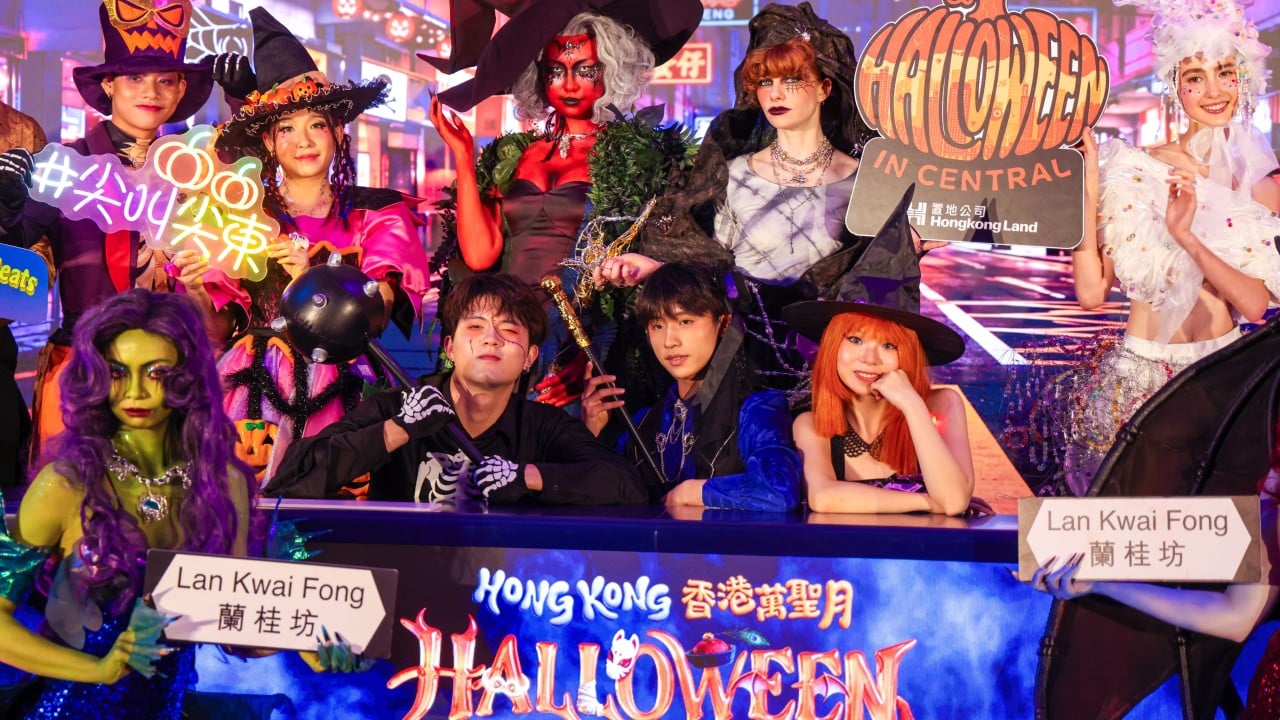
For decades, October thirty-first in Hong Kong meant one thing: a frenetic, shoulder-to-shoulder crush of humanity spilling down the steep, neon-drenched staircases of Lan Kwai Fong. It was organic, chaotic, and fiercely localized. Expats, tourists, and costumed office workers collided in a chaotic celebration that required zero corporate oversight.
Then came the structural shocks of the early 2020s. Tourism dried up, consumer habits fractured, and the city's legendary nighttime economy went quiet.
When the Hong Kong Tourism Board rolled out its inaugural "Hong Kong Halloween Month", officials dropped a massive lifeline into the city's struggling commercial districts. They converted a single evening of revelry into an extended, multi-week civic campaign. Statue Square, Mong Kok, Tsim Sha Tsui East, and the Kai Tak waterfront were drafted into service. Open-top sightseeing buses and iconic double-deck party trams offered complimentary rides to anyone willing to wear a costume.
Yet beneath the festive veneer of free transit passes and DJ-led street raves lies a pressing economic reality. This is an urgent rescue mission for a retail and hospitality sector desperate for foot traffic.
The Mechanics of a Manufactured Nightlife Revival
Transforming a spontaneous street party into an organized, month-long tourism product requires heavy institutional machinery. The Tourism Board did not act alone. They partnered with major real estate landlords and urban operators like Hongkong Land, Sino Group, and Langham Place to anchor events across commercial footprints.
Chater Road in Central transformed into a pedestrianized festival zone featuring major audio setups, family-oriented daytime carnivals, and high-profile cosplay meetups. In Mong Kok, massive outdoor installations drew crowds away from traditional tourist traps and directly into congested shopping hubs.
The strategy addresses a structural vulnerability in post-pandemic urban tourism. Modern travelers no longer book trips simply to wander aimlessly. They require hyper-specific, highly photogenic programming that translates instantly to social feeds. By subsidizing transportation—securing partnerships with Citybus and Hong Kong Tramways to ferry costumed participants between zones for free—the city engineered a fluid circulation of bodies. People were not just visiting one venue; they were bouncing across districts, spending money at restaurants, bars, and pop-up retail stalls along the transit corridors.
The Economic Pressure Behind the Costumes
To understand why the government is throwing its weight behind a western holiday, look at the retail vacancy rates plaguing prime districts like Causeway Bay and Central over recent years. Traditional luxury retail has taken a severe hit as spending patterns shift.
Nighttime foot traffic became the primary battleground for economic recovery. A tourist who stays in a hotel until midnight is dining out, hailing cabs, and purchasing convenience goods. A tourist who returns to their room by nine o'clock represents a stagnant economy.
By scaling Halloween into a month-long anchor event, the administration attempted to bridge the shoulder gap between the summer holiday lull and the winter peak season. Retailers reported spikes in weekend patronage, while local food and beverage operators utilized themed menus and district passports to capture spending.
The execution, however, exposed friction points. Balancing the gritty, anarchic spirit of traditional street celebrations with heavily curated, corporate-sponsored activations is a delicate tightrope walk. When public spaces are sanitized and managed down to the minute by municipal boards, the raw cultural energy that originally put Hong Kong on the global map risks getting diluted.
Can Synthetic Festivals Restore Organic Vitality?
Skeptics point out that government-backed festivals cannot permanently substitute for organic cultural growth. Subsidized tram rides and corporate-backed light installations provide an immediate sugar rush to the ledger sheets. Long-term sustainability, however, depends on whether local independent creators, underground artists, and small businesses can carve out space within these massive institutional frameworks.
If the initiative succeeds, it proves that a metropolitan center can successfully pivot its urban identity toward experience-driven entertainment. If it falters, it risks becoming an expensive exercise in municipal marketing—brilliant for a three-week photo opportunity, but leaving merchants back where they started once the decorations come down.
The costumes will be packed away, the neon installations dismantled, and the trams returned to their normal routes. What remains to be seen is whether the cash registers of Central and Mong Kok will keep ringing long after the final ghost has vanished from the streets.