The sea off the coast of Djibouti does not care about statistics. It swallows wooden skiffs and overloaded hulls with the same indifferent violence that has marked the Eastern Migration Route for decades. When a vessel carrying more than 300 desperate travelers capsized near the coastal town of Obock, the death toll swiftly climbed past 130 human beings, including 15 children, while scores more vanished into the dark expanse of the Bab el-Mandeb strait. It was not an accident of nature. It was an inevitability of economics, geography, and systemic failure.
The International Organization for Migration confirmed that the victims were predominantly Ethiopian citizens striving to reach the Arabian Peninsula via Yemen. They were fleeing economic desperation, climate stress, and political fractures, placing their lives in the hands of smugglers who treat human cargo as disposable inventory. Yet, reporting this tragedy as an isolated maritime disaster misses the entire architecture of the crisis. This route, often overshadowed by the high-profile crossings of the Mediterranean, moves hundreds of thousands of people every year through one of the most volatile geopolitical corridors on earth.
The Mechanics of Exploitation
Smuggling networks do not operate in a vacuum. They thrive where legal mobility is choked off and desperation creates a high-margin black market. In the Horn of Africa, young men and women gather in staging grounds around Obock, waiting for the word from brokers who control the maritime transit points. These boats are typically designed for coastal fishing, not for hauling triple their weight capacity across treacherous open water.
When a vessel holds over 300 passengers in a space meant for a fraction of that number, safety margins disappear entirely. A single shift in weight, a rogue wave, or an engine failure turns a wooden hull into a coffin. The smugglers know this. The authorities tracking the coastal launch sites know this. Yet the departures continue nightly because the economic push factors in origin countries vastly outweigh the known risks of the crossing.
To understand why people willingly board these death traps, one must look at the structural decay of rural livelihoods across parts of East Africa. Consecutive seasons of severe drought have shattered pastoralist economies. When a family loses its livestock, the choice is stark: stay and face cyclical poverty or starvation, or pool every borrowed coin to pay a smuggler for a ticket north. The journey promises access to labor markets in Gulf states where remittances can sustain entire extended families back home.
The Policy Vacuum
International response mechanisms remain chronically underfunded and reactive. Humanitarian agencies rush to the shoreline with body bags, emergency medical supplies, and psychological support for shell-shocked survivors, but these interventions arrive at the end of a long chain of neglect. Condolence statements issued from Geneva or Addis Ababa do little to alter the calculus of human traffickers who view crackdowns as mere operational overhead.
Opening safe and regular migration pathways remains the only empirical solution to breaking the smuggling cartel business model. When legal channels are locked behind impenetrable bureaucratic walls, illegal networks fill the vacuum with violence and impunity. Governments funding border security in the region often focus exclusively on interdiction, which inadvertently drives smugglers to take even greater risks, using unseaworthy vessels and launching from more remote, hazardous shorelines to evade patrol boats.
The Human Toll on the Shoreline
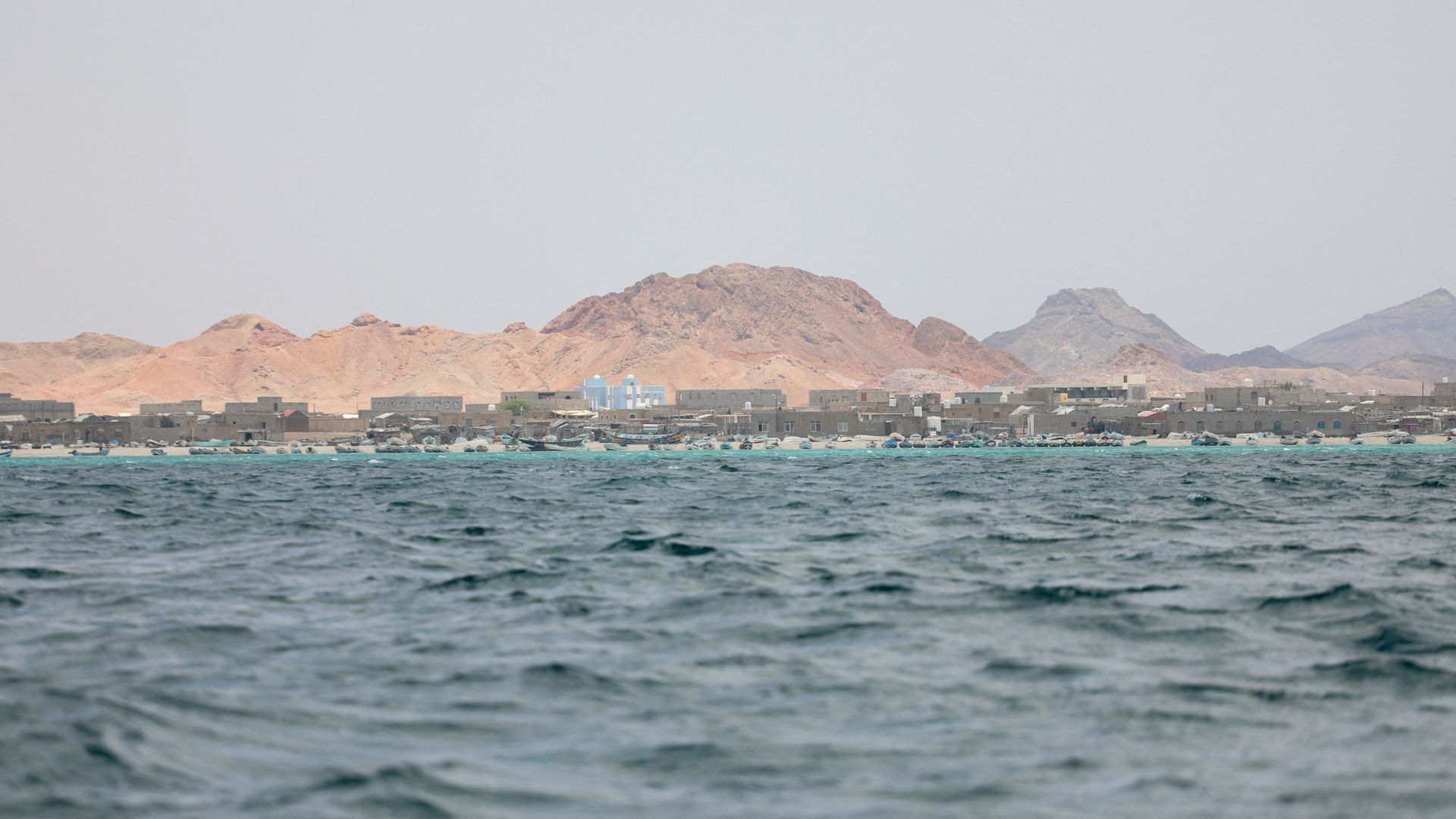
On the beaches of Obock, the aftermath of a shipwreck leaves physical and psychological scars that linger long after the international press corps packs up its cameras. Personal belongings—water bottles, torn shoes, identification papers soaked in brine—scatter across the sand. Local volunteers and aid workers pull bodies from the surf, confronting a grim reality that repeats with sickening regularity.
The survivors, huddled in transit camps, grapple with survivor guilt and the trauma of watching family members slip beneath the waves. They are young, often uninitiated to the brutal realities of the transit corridor until they find themselves stranded in a foreign country without money, documents, or recourse.
The tragedy off the coast of Djibouti is not a natural calamity or an unpredictable storm at sea. It is a predictable outcome of a global migration architecture that punishes poverty and rewards exploitation. Until destination and transit nations confront the root causes of irregular migration and create genuine legal alternatives, the waters of the Bab el-Mandeb will continue to claim those who have nothing left to lose.
The video above illustrates the ground-level humanitarian operations and search efforts deployed following major maritime tragedies along the East African coast.