Global aluminum markets are currently experiencing severe supply shocks driven by geopolitical conflicts in the Middle East. Indonesia is aggressively stepping into this production vacuum. By exploiting its massive domestic bauxite reserves and pairing them with cheap, abundant coal, Jakarta aims to transform the archipelago into a dominant industrial powerhouse. Yet this expansion relies almost entirely on dedicated, off-grid fossil fuel infrastructure. Indonesia is aggressively doubling down on captive coal to fuel its rapid aluminum ambitions, creating a massive contradiction between national climate pledges and industrial reality.
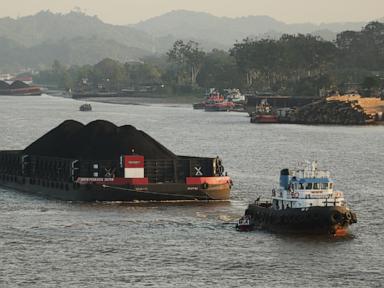
Smelting aluminum is an intensely energy-hungry endeavor. Extracting raw metal from alumina requires massive, uninterrupted electrical currents running continuously through reduction cells. Traditional smelters rely heavily on cheap hydroelectric generation or stable grid power. In Indonesia, however, developers face a different economic equation. Rather than waiting for complex, slow-scaling renewable infrastructure like large-scale river hydro projects, state planners and private consortiums are opting for speed. They are constructing standalone, dedicated coal-fired power stations built specifically to serve individual industrial zones. These installations operate outside the main public electricity grid, shielding industrial giants from public power shortages while locking long-term carbon emissions into the regional economy.
China serves as the primary catalyst and financial backbone for this industrial pivot. Following domestic regulatory caps implemented in Beijing to limit domestic overcapacity and curb heavy industrial pollution, Chinese industrial conglomerates began exporting capital and operational expertise overseas. Nations with laxer environmental constraints and abundant raw materials became prime targets. Today, roughly three-quarters of Indonesia's planned alumina and aluminum projects maintain direct financial or operational ties to Chinese entities. This influx of foreign capital bypasses traditional Western banking restrictions, many of which prohibit direct lending to new coal projects, by funneling investments through complex corporate structures and industrial park developments.
The mechanics of this expansion reveal a familiar playbook. Indonesia previously executed a similar downstreaming strategy for nickel, another critical mineral required for modern electric vehicle batteries. That nickel boom triggered a massive wave of captive coal plant construction across islands like Sulawesi, transforming pristine coastal regions into heavy industrial hubs while drawing intense criticism from local environmental organizations. Analysts tracking the current aluminum push note that the country is simply repeating the exact same carbon-intensive trajectory. Current projections indicate that dozens of prospective off-grid coal units are either operational or heavily backed by private developers, threatening to anchor Southeast Asia's industrial growth to fossil fuels for decades.
This strategy creates an acute tension with Jakarta's international climate commitments. Indonesia has repeatedly pledged to curb carbon emissions, transition away from fossil fuels, and achieve net-zero targets over the coming decades. Yet regulatory frameworks frequently contain strategic exemptions. Financial authorities have periodically revisited national taxonomies to accommodate newly built coal assets under specific transition umbrellas, provided those assets directly feed downstream mineral processing. This classification allows industrial operators to market their output as part of a national economic modernization program, even as local communities suffer from severe air pollution, degraded water quality, and the loss of traditional agrarian and fishing livelihoods.
Feedstock security presents another looming vulnerability that few market analysts want to address. The velocity of the proposed aluminum expansion far outpaces the domestic mining sector's ability to sustainably scale raw bauxite extraction. According to independent energy and environmental research organizations, if all planned smelting capacity reaches full operation by the end of the decade, domestic bauxite reserves could face severe depletion in under twelve years. Developers are rushing to lock in short-term profits driven by global supply disruptions, risking an eventual domestic resource cliff where multi-billion-dollar smelting facilities find themselves starved of local ore.
International automakers and end-users face a growing compliance dilemma as well. Many global manufacturing brands have strict corporate mandates requiring low-carbon or green aluminum to meet their own Scope 3 emissions reduction targets. When a Korean automaker or a European electronics manufacturer procures Indonesian aluminum, that metal may be stamped with commercial documentation emphasizing regional economic development, but its physical reality remains deeply carbon-intensive. The reliance on captive coal means the metal is forged through high emissions, creating a regulatory and reputational hazard for international brands attempting to market sustainable consumer goods.
Financial viability under shifting global commodity markets introduces additional fragility. Constructing a modern, integrated aluminum complex complete with captive power infrastructure requires billions of dollars in upfront capital expenditure. Financial analysts point out that under baseline metal price assumptions, recovering these massive capital costs will take years, leaving operators highly vulnerable to international price volatility. As global financial institutions continue tightening internal policies against fossil fuel financing, securing refinancing or expansion capital for aging coal infrastructure will only grow more difficult.
The path chosen by Indonesian planners prioritizes immediate geopolitical leverage over long-term environmental sustainability. By capitalizing on Middle Eastern supply disruptions and Chinese industrial migration, the nation has secured a lucrative temporary advantage in global mineral supply chains. Yet the physical legacy of this expansion is permanent. Smoke stacks rising over remote northern islands cement a reliance on coal that will outlast the current commodity boom, leaving local ecosystems to bear the true cost of global industrial ambition.