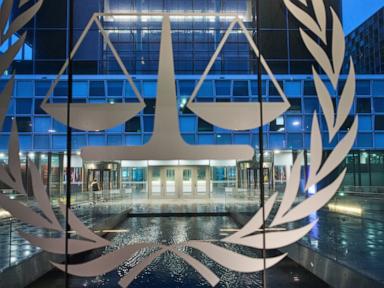
The International Criminal Court faces a structural reckoning as member states weigh the unprecedented removal of its chief prosecutor following internal misconduct allegations and intense geopolitical pressure. What began as internal complaints has spiraled into an existential crisis for the institution, exposing long-standing vulnerabilities in its governance and immunity frameworks. The vote on the chief prosecutor's future marks a turning point for international accountability. Beyond the immediate political fallout, this crisis threatens to undermine the credibility of global justice mechanisms when the court is handling its most high-profile investigations in decades.
A Governing Body Caught Between Diplomacy and Justice
The Assembly of States Parties, the legislative and oversight body of the ICC, now finds itself forced to navigate an unprecedented procedural and ethical nightmare. Under the Rome Statute, removing a prosecutor requires a two-thirds majority of member states, a threshold intentionally set high to protect the prosecutor's independent mandate from political interference.
That protective shield has now turned into a potential trap.
When allegations of misconduct emerged, the existing internal mechanics were ill-equipped to manage the fallout without creating the appearance of bias or cover-ups. The independent oversight mechanism was designed to handle low-level administrative disputes and minor ethical breaches, not high-stakes allegations against the court's highest-ranking official. Member states are left choosing between two catastrophic outcomes: keeping an official whose authority is compromised, or forcing an exit that critics will weaponize as proof of political vulnerability.
Diplomats in The Hague are working behind closed doors to build a consensus that avoids a public floor battle. Yet consensus remains distant. Western nations, already under fire for perceived double standards regarding how the court prioritizes cases in different regions, fear that a messy removal process will hand a major diplomatic victory to non-member states that have opposed ICC jurisdiction for decades. Meanwhile, developing nations within the court argue that failure to apply strict accountability standards to top leadership destroys any moral authority the bench has left.
The Flawed Architecture of Judicial Immunity
To understand how the court reached this breaking point, one must look at the legal protections granted to ICC officials. Immunity is essential for prosecutors who investigate war crimes, genocide, and crimes against humanity. Without absolute protections against civil liability and criminal prosecution in local courts, political actors targeted by investigations could simply launch bad-faith legal claims against court staff to halt ongoing cases.
However, unchecked immunity creates an insular system with limited internal checks.
Standard corporate or government environments rely on external HR oversight, mandatory reporting laws, and independent inspector general offices with subpoena power. The ICC operates under a self-contained administrative law apparatus that relies heavily on internal self-policing. When complaints reach the executive level, the process becomes opaque.
Key Governance Deficits in the Current Framework
- Lack of Independent Investigative Mandate: Internal oversight bodies often depend on the prosecutor's office for administrative approval and resource allocation, creating a clear conflict of interest.
- Absence of Whistleblower Protection Standards: Staff members who raise concerns regarding senior leadership face significant career risks without robust, third-party legal protections.
- Ambiguous Removal Criteria: The Rome Statute specifies "serious misconduct" as grounds for removal, but fails to define precise standards for what constitutes misconduct severe enough to invalidate a mandate.
This legal gray zone allows problems to fester until they reach crisis levels. When an institution cannot cleanly resolve internal disputes, those disputes spill into the public domain, transforming organizational failure into a geopolitical scandal.
The High Cost of Selective Credibility
The timing of this crisis could not be worse for the court. The ICC is currently navigating some of the most complex warrants and investigations in its twenty-year history. Every legal filing, arrest warrant, and public statement issued by the prosecutor's office is scrutinized by defense lawyers and hostile state governments looking for procedural defects.
If a prosecutor's integrity is compromised, every active indictment bears the stain of that doubt.
Defense attorneys representing high-profile political leaders and military commanders are already laying the groundwork to challenge current cases. They argue that if the leadership of the prosecutor's office operates under questionable ethical standards, the integrity of the evidence collection, witness selection, and prosecutorial discretion must also be questioned. These legal challenges threaten to derail active proceedings before judges can even evaluate the substantive evidence of war crimes.
The fallout extends beyond individual courtrooms. Non-governmental organizations that risk their staff's lives to collect evidence, document abuses, and transport witnesses to The Hague are questioning whether the institutional structure can safeguard their work. Without trust from civil society on the ground, the ICC loses its primary pipeline of reliable information.
Fixing the Unraveling Mechanism
Restoring institutional integrity requires more than a single vote on a prosecutor's tenure. It demands a systemic overhaul of how international judicial bodies handle executive misconduct.
First, the Assembly of States Parties must establish an entirely independent, external inspector general office modeled after oversight bodies in regional defense organizations. This entity must have an independent budget, complete investigatory autonomy, and authority to examine allegations against any court official without prior approval from the presidency or prosecutorial leadership.
Second, the Rome Statute's rules governing removal must be updated with explicit legal standards. Clear guidelines must separate administrative errors from ethical breaches that compromise the office's core mission. Removing ambiguity eliminates the legal maneuvering that currently stalls accountability efforts.
Finally, internal whistleblower mechanisms require absolute legal separation from the court's administrative hierarchy. Staff who report misconduct must receive independent legal representation and immunity from professional retaliation.
The crisis unfolding in The Hague is not an isolated personnel issue. It is a structural failure of an institution designed for an earlier geopolitical era. The vote on the chief prosecutor will resolve a temporary political headache, but without deep governance reforms, the court's legitimacy will remain fundamentally fragile.


