Freezing temperatures across the Iranian plateau are exposing the severe structural limits of an energy network battered by coordinated foreign strikes. While headlines frequently focus on military exchanges and missile counts, the true vulnerability of Tehran's administration lies deep within its frozen gas pipelines and damaged processing plants. As the cold months settle in, a profound domestic crisis is unfolding, driven by crippled infrastructure, dwindling fuel alternatives, and the heavy toll of geopolitical conflict.
The Islamic Republic sits atop the second-largest natural gas reserves on the planet. Yet, paradoxically, millions of its citizens face the imminent prospect of unheated homes, shuttered schools, and paralyzed industrial output. This discrepancy is not merely a byproduct of seasonal demand spikes; it is the cumulative result of systematic military targeting and decades of underinvestment in modernization.
The Anatomy of the Destruction
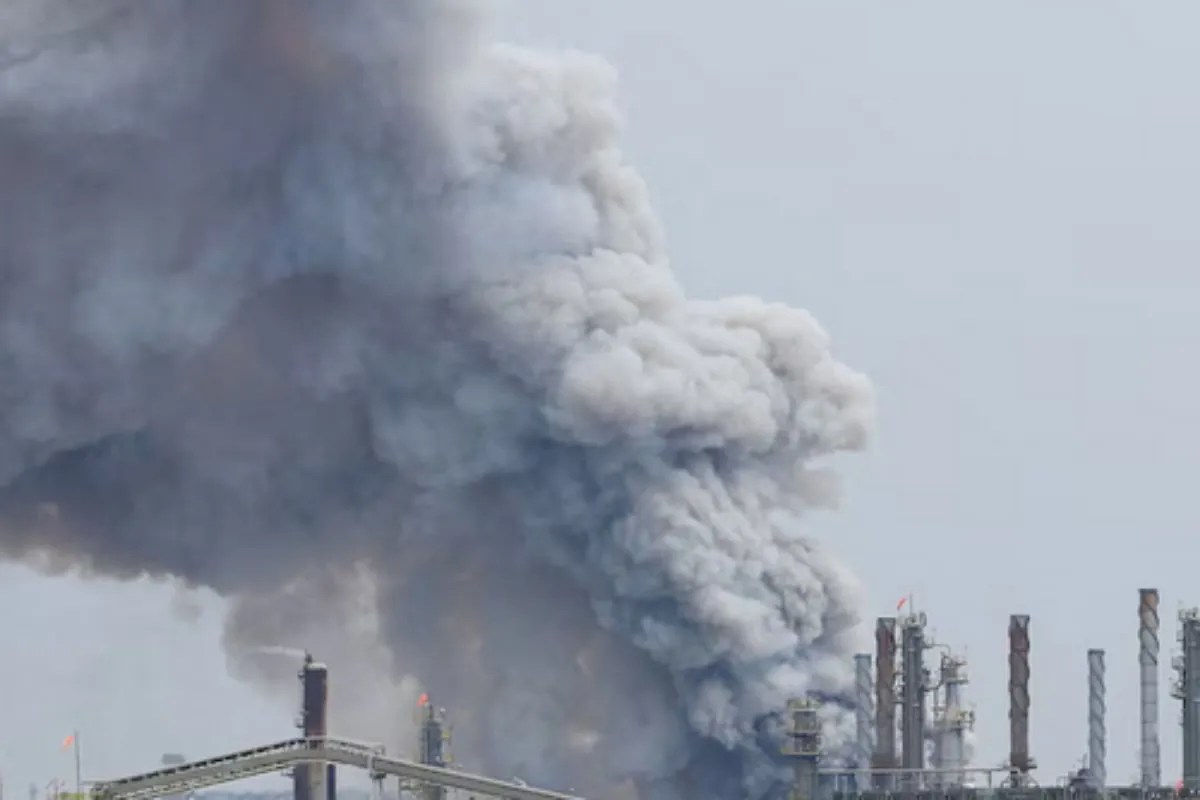
Recent strategic assessments indicate that strikes targeting critical energy nodes have permanently altered the country's supply capabilities. Facilities responsible for gas sweetening, pressure regulation, and regional distribution have absorbed substantial damage. Reports detailing precision projectile impacts on key gas installations highlight the vulnerability of centralized distribution networks.
When multiple precision strikes hit major processing hubs within minutes, the immediate loss of cubic meters of daily processing capacity crippled the national grid's ability to maintain baseline pressure. Natural gas constitutes nearly three-quarters of the nation's total energy mix. When supply drops significantly below consumption demands, the entire system enters a state of acute deficit. Repairing these technologically sophisticated facilities requires specialized components and foreign engineering expertise—resources that remain heavily restricted under ongoing international trade constraints.
The Mazut Dilemma and Environmental Fallout
To compensate for shortfalls in natural gas, state authorities have increasingly turned to heavy fuel oil, commonly known as mazut, to keep thermal power plants operational. Burning mazut is a desperate stopgap measure. The fuel is thick, highly polluting, and generates dense clouds of toxic black smoke that routinely blanket industrial zones and urban peripheries near major cities like Tehran.
This emergency pivot creates a secondary health and environmental crisis. Air quality index readings in urban centers deteriorate rapidly as winter inversions trap particulate matter close to the ground. Citizens experience respiratory distress, prompting widespread public frustration. The state is forced into a grim calculus: either cut off electricity to residential areas entirely, or burn high-sulfur fuel that poisons the air its population breathes.
Industrial Rationing and Economic Strain
Beyond domestic heating, the energy deficit strikes directly at the heart of the national economy. Heavy industries, including petrochemical plants, steel mills, and cement factories, face mandatory gas curtailments during peak cold snaps.
Factory owners report that production quotas are slashed by half or halted completely for weeks at a time. This forced downtime breaks supply chains, drives up inflation, and triggers a cascade of layoffs. The economic contraction compounds existing public dissatisfaction, transforming a technical resource shortage into a broader socio-political challenge for the governing apparatus.
To stave off total collapse, energy ministries have explored emergency import agreements, looking toward neighboring suppliers like Russia to bridge the gap. However, pipeline bottlenecks, geographic barriers, and financial transaction hurdles mean external relief cannot materialize quickly enough to offset the immediate winter deficit.
The Broader Geopolitical Calculus
The timing of these structural failures is hardly accidental. Strategic planners in Washington and Tel Aviv have increasingly looked toward economic and infrastructural targets to apply maximum pressure. By degrading energy facilities, external actors aim to constrain the state's financial lifeline while heightening internal friction between the citizenry and the political leadership.
Tehran's leadership faces diminishing options. Military posturing and threats of regional retaliation do little to resolve the physical absence of gas molecules in residential pipelines. As temperatures continue to drop and the strain on transformers and distribution networks intensifies, the margin for error narrows. The unfolding situation demonstrates that modern conflicts are won or lost not just on the battlefield, but in the fragile webs of infrastructure that sustain daily life.