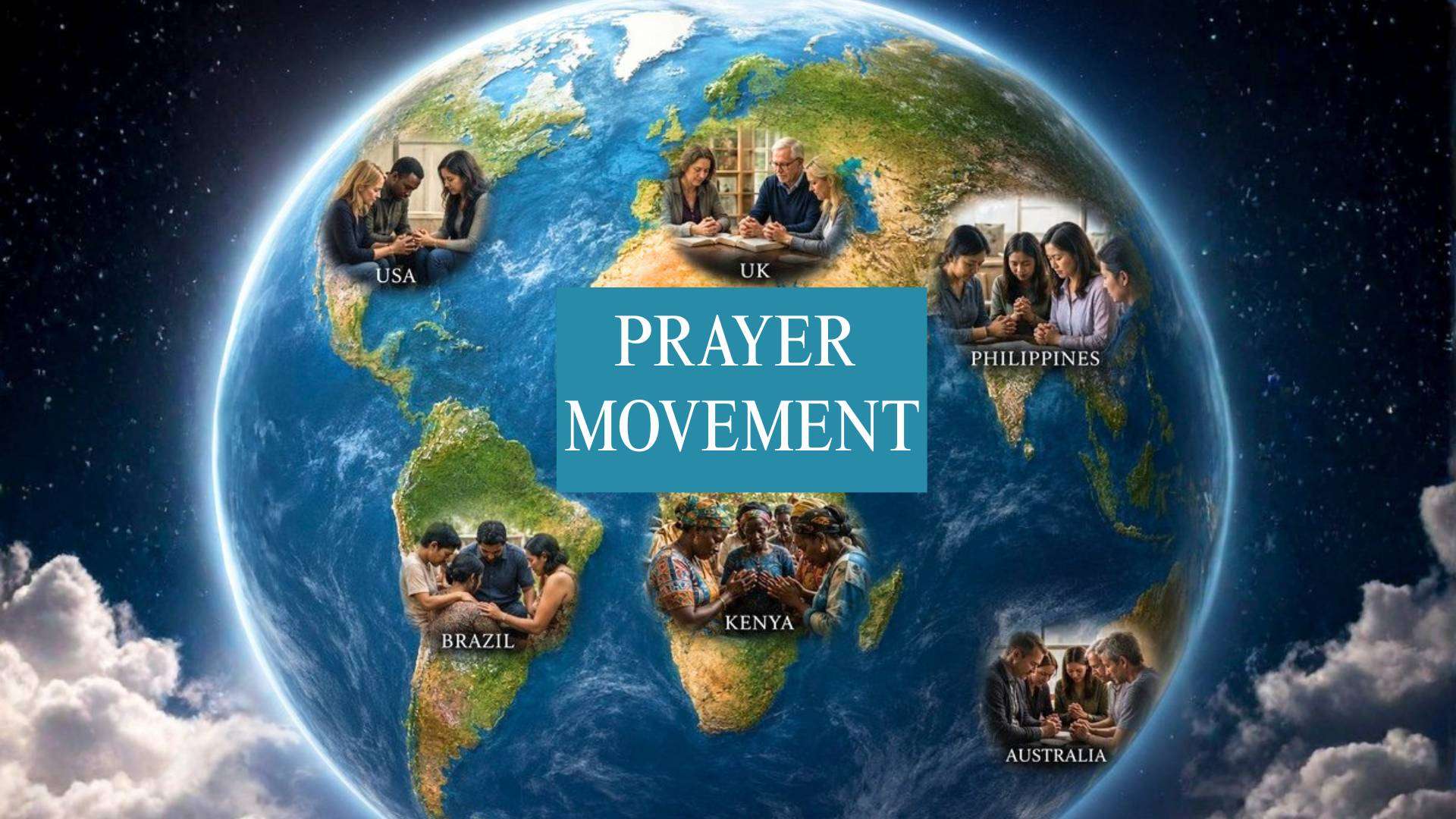
Thousands of believers from across the United Kingdom and international networks are descending upon Manchester Central for the annual Battle for Britain gathering. Organized by the prayer ministry Prayer Storm and spearheaded by leaders James and Rebecca Aladiran, the three-day assembly brings fasting, worship, and sustained intercession to the forefront of British public life. While mainstream media often reduces such movements to fringe cultural reactions, a closer examination reveals a deeply rooted sociological phenomenon responding to a profound sense of institutional decay and social fragmentation.
Public trust in legacy British institutions—from the Church of England itself to Parliament, the judiciary, and civic bodies—stands at historic lows. Secularization curves over the past several decades have mapped a steady retreat of organized religion from the public square. Yet, instead of fading quietly into complete irrelevance, portions of the Christian grassroots are organizing massive assemblies. They are operating on the conviction that structural and cultural crises require spiritual solutions.
The Anatomy of Modern Intercession
To understand why thousands are willing to pack an auditorium for continuous prayer, one must examine the operational mechanics of contemporary independent faith networks. Unlike traditional, liturgy-bound denominations experiencing steep numerical decline, movements like Prayer Storm utilize high-energy, American-import style worship models combined with intense organizational mobilization.
International figures such as Lou Engle, founder of the American prayer movement TheCall, frequently cross the Atlantic to lend weight to these British stages. This trans-Atlantic exchange of charismatic strategy changes the local dynamic. It replaces quiet contemplation with high-decibel corporate declarations. Organizers explicitly state that the event is non-partisan, deliberately side-stepping direct political endorsements to focus instead on what they term spiritual architecture.
The rhetoric deployed by these leaders relies heavily on metaphors of national destiny and spiritual warfare. When James Aladiran describes Britain as sitting at a critical juncture, he taps into an anxiety shared by many citizens regardless of their personal theology. Economic stagnation, housing shortages, community polarization, and the rapid pace of cultural change have left wide segments of the population feeling rootless. For the attendees filling the Manchester venue, corporate prayer functions as an active pushback against perceived despair.
Navigating the Tension of Public Witness
Critics often question the utility of gathering to intercede while societal problems demand legislative and economic fixes. Sociologists of religion note that movements of this scale serve a dual purpose. Externally, they project a unified front in a culture perceived as increasingly hostile to orthodox belief. Internally, they provide psychological solidarity for believers who feel marginalized in an increasingly secular state.
The organizers are careful to distance themselves from aggressive culture-war politics. In interviews and main-stage addresses, leadership routinely emphasizes that their focus remains on structural renewal through spiritual devotion rather than legislative enforcement. They point to historical precedents such as the Evangelical revivals of the eighteenth and nineteenth centuries, arguing that social reform historically followed spiritual awakenings rather than preceding them.
Whether these massive gatherings can translate into sustainable community action outside the stadium walls remains the central question for observers of the British religious scene. The challenge for movements like Prayer Storm is converting transient emotional highs into permanent civic and spiritual engagement at the local parish and neighborhood level. As the crowds disperse from Manchester, the true test will be measured not by the decibel level of the worship, but by the quiet persistence of everyday practice in a changing nation.


